
 E-Paper



10- and 20-litre water jars to come under FDA regulations
The manufacturing plants claim that the 20-litre jars contain purified and mineral water from borewells and tankers. The refillable jars, sold for ₹40 to ₹50, are sometimes filled with water derived through the RO (reverse osmosis) mechanism

 Prefer HTon Google


Mumbai: To curb the menace of the mushrooming number of plants serving up water in 10- or 20-litre jars, the Food and Drug Administration (FDA) has decided to bring the plants under the ambit of its regulations to ensure that the water they sell is potable. The decision was taken after a few legislators complained that these jars, which are widely used by caterers at large functions in rural areas, often contained contaminated water and had led to incidents of food poisoning.
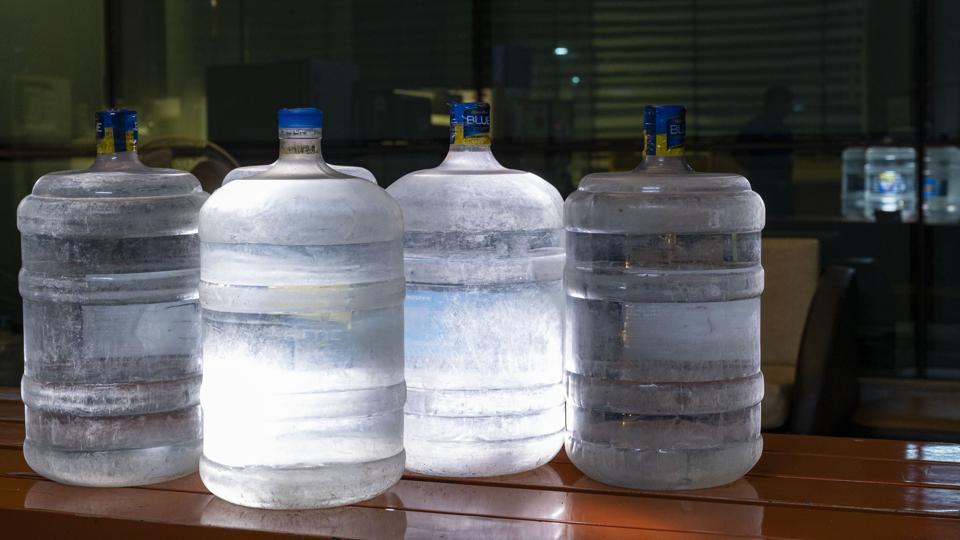
The manufacturing plants claim that the 20-litre jars contain purified and mineral water from borewells and tankers. The refillable jars, sold for ₹40 to ₹50, are sometimes filled with water derived through the RO (reverse osmosis) mechanism. In several districts of central Maharashtra, North Maharashtra and other parts where tap water is not available, these jars are supplied to houses, offices and majorly used during large gatherings like wedding ceremonies and social-political meetings.
“Since jar water is not treated as packaged water, it was outside the ambit of the Drugs and Cosmetics Act regulations,” said an FDA official. “We are now issuing a notification to bring these plants under the Act.” Violations of the Act carry a fine of ₹5,000 or imprisonment for six months.
The officer said that the regulation would enable the FDA to check whether the quality of the water was up to the standards prescribed in the Act. “Selling loose oil is banned under the Act, and the same rule will now be applicable to water supply plants,” said another FDA officer. “Now they will be liable for action if the samples collected by our officers are found to be contaminated.”
According to a rough estimate, Maharashtra has thousands of such plants, especially in towns and cities that have a scarcity of water or where drinking water is found to be contaminated. “The plants will now have to apply for a licence and follow the rules,” said FDA minister Sanjay Rathod. “The notification will soon be issued.”
Apurva Doshi, secretary of the Greater Mumbai Packaged Drinking Water Association, said that packaged water plants had 52 mandatory tests done daily, monthly and annually, whereas jar water plants had no regulation at all. “The water is not only unhygienic but sold in the market by using fake FSSAI (Food Safety and Standards Authority of India) stickers ,” he said. “Most consumers are not aware that the chilled water served by catering services through these jars is hazardous.”


