
 E-Paper



HC paves way for release of 13/7 blasts accused held despite bail
A division bench of justices Sarang V Kotwal and Ranjitsinha Bhonsale deleted the bail condition requiring Kafeel Ahmed Ayub to furnish a local surety in Mumbai and allowed him to submit a surety from anywhere in the country

 Prefer HTon Google


MUMBAI: The Bombay High Court on Tuesday paved the way for the release of 66-year-old Kafeel Ahmed Ayub, an accused in the 2011 Mumbai triple blasts case, nearly a year after he was granted bail but remained behind bars because his family could not arrange a local surety in Mumbai.
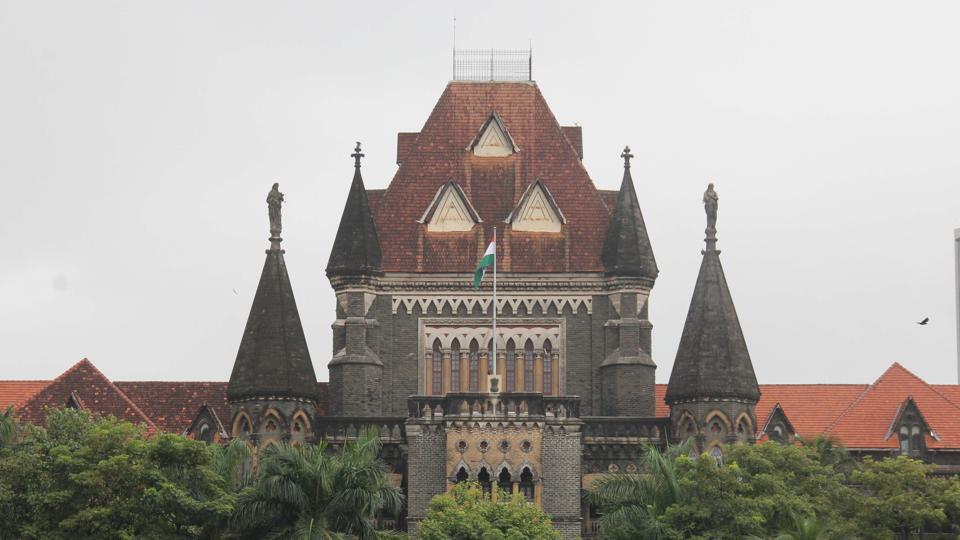
A division bench of justices Sarang V Kotwal and Ranjitsinha Bhonsale deleted the bail condition requiring Ayub to furnish a local surety in Mumbai and allowed him to submit a surety from anywhere in the country.
Ayub, a resident of Bihar, was granted bail by the high court in November last year after spending 14 years in prison. The court referred to a landmark 2021 Supreme Court judgement (Union of India vs KA Najeeb), which held that bail could not be denied indefinitely, even to those booked under stringent laws such as the Unlawful Activities (Prevention) Act.
Along with other bail conditions, the court had directed Ayub to execute a personal bond of ₹1 lakh and furnish one or more local solvent sureties for the same amount, to the satisfaction of the trial court. This essentially meant Ayub was required to find a person living in Mumbai who could guarantee the ₹1 lakh bond if he failed to comply with the bail conditions.
However, Ayub remained in judicial custody for more than 10 months after being granted bail because his relatives were unable to arrange such a surety in Mumbai, despite “trying their level best”, according to his appeal filed before the high court on September 16.
The plea, filed through advocates Mateen Shaikh, Muskan Shaikh and Hassan Siddiqui, stated that Ayub was 66 and suffering from various age-related ailments. It also said he was a respectable person with a family and deep roots in society, arguing that there was no question of him absconding.
Ayub and another accused in the 2011 triple blasts case are being tried under the UAPA, the Maharashtra Control of Organised Crime Act (MCOCA), and various provisions of the Indian Penal Code (IPC) and the Explosives Act for alleged offences including murder, attempt to murder and criminal conspiracy.
The case relates to three coordinated bomb blasts that struck Mumbai during the evening rush hour on July 13, 2011, at Zaveri Bazar, Opera House and Dadar. The explosions killed 27 people and injured more than 130 others.
Ayub was arrested by the Delhi Police Special Cell in February 2012 for allegedly harbouring co-accused persons and arranging hideouts for them. The prosecution has claimed that he closely accompanied the alleged mastermind, Yasin Bhatkal, harboured other co-accused and arranged hideouts for them. Ayub has denied the allegations and argued that there was no evidence that he was aware of or involved in the blasts.
Stay updated with all the Breaking News and Latest News from Mumbai. Click here for comprehensive coverage of top Cities including Bengaluru, Delhi, Hyderabad, and more across India along with Stay informed on the latest happenings in World News.


