
 E-Paper



Invite public suggestions before deciding on controlled pigeon feeding: HC to BMC
A division bench of justices GS Kulkarni and Arif Doctor was hearing petitions filed by animal rights activists and the Jain trust managing the Dadar Kabutarkhana against the BMC’s crackdown on pigeon-feeding grounds due to health concerns linked to pigeon droppings and feathers

 Prefer HTon Google


MUMBAI: The Bombay High Court on Wednesday directed the Brihanmumbai Municipal Corporation (BMC) to invite public suggestions and objections before taking any decision regarding allowing controlled pigeon feeding in Mumbai between 6 am and 8 am every day.
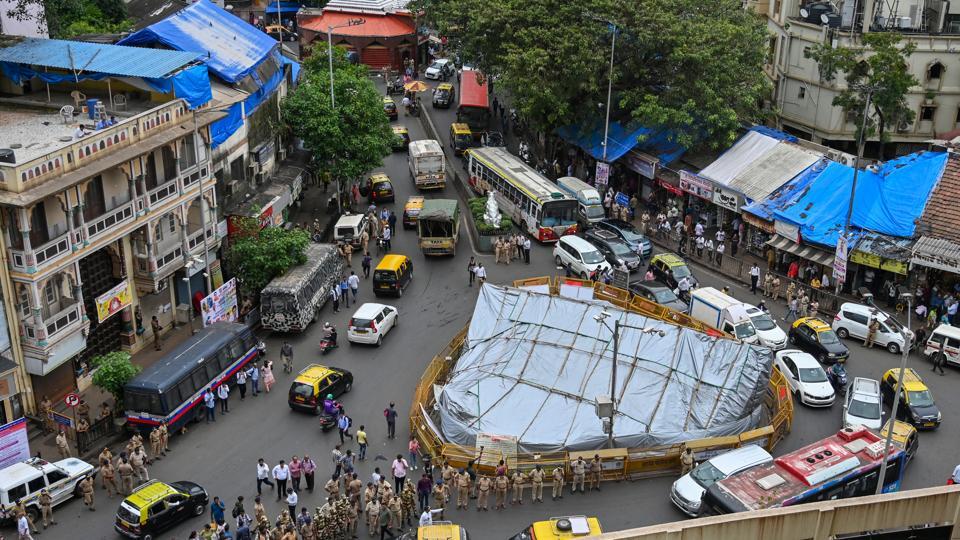
A division bench of justices GS Kulkarni and Arif Doctor was hearing petitions filed by animal rights activists and the Jain trust managing the Dadar Kabutarkhana against the BMC’s crackdown on pigeon-feeding grounds due to health concerns linked to pigeon droppings and feathers.
After the BMC told the high court that it has proposed allowing controlled pigeon feeding for two hours in the morning at the kabutarkhana every day, the bench replied, “You cannot just make such a decision now. It has to be well considered. Since the decisions to ban feeding of the pigeons and to close the kabutarkhanas were in (the) larger public interest, the sanctity of the same has to be maintained.”
However, advocate general Dr Birendra Saraf, representing the state, raised concerns over this directive. “If we overwhelm the authorities with public hearings, it will make the work unmanageable,” he said.
Saraf also submitted a list of 11 names, including doctors, town planning department officials, microbiologists and other experts, who will be appointed to a committee that will examine the impact of pigeon feeding on citizens’ health. The committee will be notified by August 20, he said, adding, “The state is equally concerned about public health. We want finality in the situation. Inputs will be invited from different bodies of experts to discuss the issues. Inputs from the petitioners will not suffice.”
The high court is hearing a bunch of petitions related to the ban on feeding pigeons and the closure of kabutarkhanas across Mumbai. The matter escalated into a major controversy after members of the Jain community protested against the ban, citing religious and cultural traditions. On August 6, hundreds of people tore down the plastic sheet covering the Dadar Kabutarkhana that was installed by the BMC after enforcing the ban.
During the last hearing on August 7, the high court had emphasised that public health, especially that of children and senior citizens, was paramount. It also suggested appointing a committee of experts to examine the impact of pigeon-feeding. The court had already invited medical opinions from lung specialists, who pointed out the adverse health impact of proximity to pigeons.
“The state can appoint a committee, as it is the guardian and custodian of public health and citizens, to balance the interests of the larger population,” the bench had said. It added that when actions such as closing kaburkhanas were taken on the basis of modern scientific research, the judges were not experts to issue such directions.
“If the committee decides they have been rightly closed, then certainly such expert opinion needs to prevail in the larger interest of public health and the state government or the corporation would not take a decision against expert opinion,” the bench had said. “We are only concerned about public health. There are a few people who want to feed the pigeons. It is for the government to now to take a decision.”
The BMC had earlier told the court that pigeon droppings and feathers triggered asthma and other diseases such as hypersensitivity pneumonitis. A medical report submitted to the court highlighted that exposure to pigeons and their droppings could harm lungs and cause acute breathlessness. It said that most people realised this medical condition too late, after fibrosis had already begun in the lungs. No drug is available to cure or reverse fibrosis, it added.
One of the petitioners, Pallavi Patil, had earlier approached the Supreme Court, challenging the Bombay High Court order directing the police to register FIRs against people who continue to feed pigeons at kabutarkhanas. The apex court had, however, refused to interfere with the high court’s proceedings.
Stay updated with all the Breaking News and Latest News from Mumbai. Click here for comprehensive coverage of top Cities including Bengaluru, Delhi, Hyderabad, and more across India along with Stay informed on the latest happenings in World News.


