
 E-Paper



Need for more equitable access to TB treatments in India, says Dr Udwadia
A decade after he coined the term “totally drug-resistant TB cases (TDR-TB)” for 12 patients in whom none of the known TB drugs worked, pulmonologist Dr Zarir Udwadia wishes he hadn’t used it at all. In 2012, the emergence of TDR cases kicked up a worldwide furore with the World Health Organization (WHO) flying in teams to check the extent of treatment-resistant TB cases in Mumbai

 Prefer HTon Google


Mumbai: A decade after he coined the term “totally drug-resistant TB cases (TDR-TB)” for 12 patients in whom none of the known TB drugs worked, pulmonologist Dr Zarir Udwadia wishes he hadn’t used it at all.
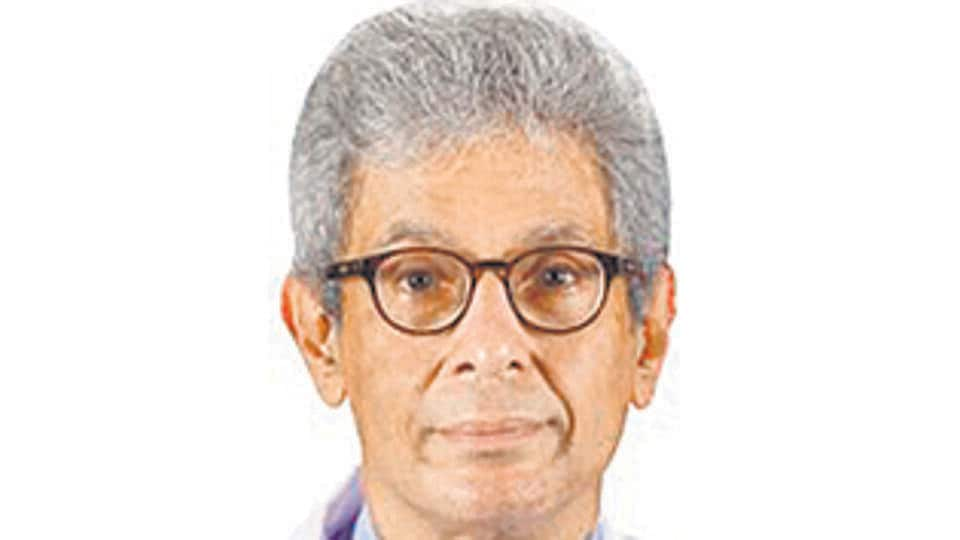
In 2012, the emergence of TDR cases kicked up a worldwide furore with the World Health Organization (WHO) flying in teams to check the extent of treatment-resistant TB cases in Mumbai.
“It created a bit of a controversy in 2012,’’ said the doctor while delivering an oration on tuberculosis on Sunday at JW Marriott, Sahar. Mumbai, however, gained in the bargain with the government-run RNTCP fast-tracking newer tests, regimen and funds for the city’s patients.
The reason for Dr Udwadia’s “change of heart” is the slew of new “promising medicines” in the pipeline. Newer regimens such as BPaL (bedaquiline, pretomanid, and linezolid) have cured 90% patients who have taken it, but it isn’t available in India so far.
“At present, we are stuck with cure rates of 40%, 50% or 60%, but there is exciting research going on. We have 16 compounds, nine novel compounds and nine novel targets in various stages of research,’’ he said.
In the past 50 years, there have been only 20 new medicines for tuberculosis patients. Over the years, the TB bacilli has grown stronger and resistant to these medicines and has led to the emergence of multi- and extremely drug-resistant strains. Also, there is widespread abuse of antibiotics that further fuelled the resistance patterns. Mumbai is considered the world’s capital of drug-resistant TB, with approximately 5,000 new cases detected every year.
In India, however, health authorities said newer drugs such as bedaquiline and delamanid should not be available for direct sales at pharmacies as people would take them indiscriminately and bring about resistance. Hence, both delamanid and bedaquiline are only available through the union health ministry.
“One of the studies conducted at Hinduja Hospital showed that 70% of India’s patients preferred to take TB treatment in the private sector. This is even true in Bihar. But the private sector has no easy access to the newer drugs as the public sector does,’’ he said.
He said the government’s refusal to allow better access to newer TB drugs is the “BDQ scandal”. “Here is an effective drug that remains difficult to access seven years after introduction and that too in the country where it is manufactured, thereby allowing hundreds and thousands of Indian MDR-TB patients to die,’’ he said.
Dr Camilla Rodrigues, head of microbiology at Hinduja Hospital, echoed Dr Udwadia’s concerns and stressed the need for faster and more accurate diagnostic tests to detect drug-resistant strains of TB. “It’s time to usher in a new era in diagnostics, especially molecular diagnostics so that we can undertake drug-susceptibility tests directly on the clinical sample instead of waiting to culture a sample before testing,” she said.


