
 E-Paper



Regular taunts, insults can’t drive a person to suicide: Court
Observing that regular taunts and insults usually occur in the daily life of a woman from the lower strata of society, the sessions court acquited a man and his mother of the charge of abetting suicide


Mumbai Observing that regular taunts and insults usually occur in the daily life of a woman from the lower strata of society, the sessions court acquited a man and his mother of the charge of abetting suicide.
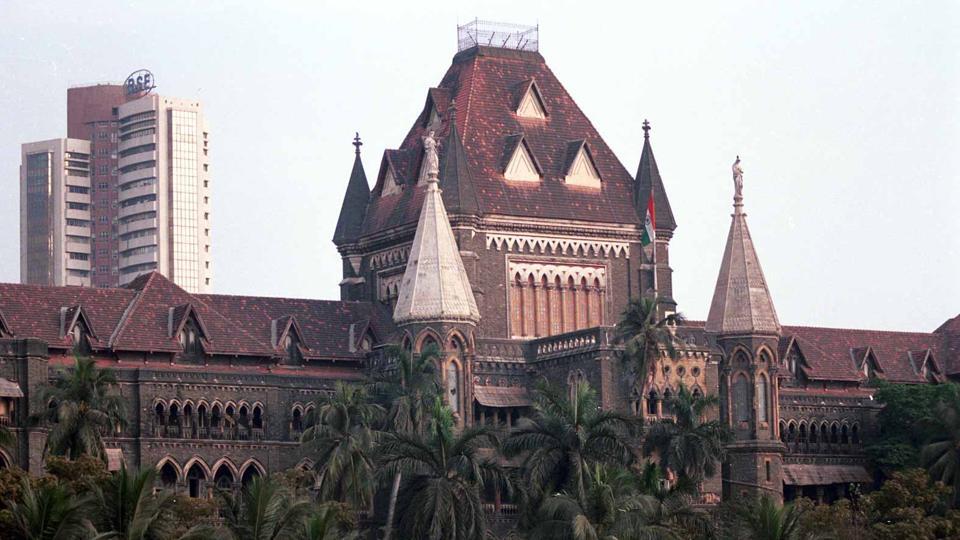
Regular taunts, insults and restrictions do not drive a person to commit suicide, unless it is done with a criminal mind to see that the person ends his or her life, observed the sessions court while acquitting the man.
“The daily wear and tear of the family affairs wherein mother-in-law some time complains that her daughter-in-law does not work properly,” said additional sessions judge NP Mehta while acquitting 30-year-old Prashant Shelar and his 52-year-old mother Vanita Shelar of the charge of abatement to the suicide of Prashant’s wife Priyanka.
The woman died by suicide on January 16, 2015 - within a month of her marriage to her boyfriend Prashant. Her family had subsequently accused the Shelars of harassing and driving her to take the extreme step.
“The said factual circumstance cannot be termed as causing mental cruelty because it a natural phenomenon and same could be seen generally in this stature of the family to which both parties belonged,” the judge added.
The court also noted that Priyanka was not allowed by Prashant to talk to others on phone cannot be a circumstance to infer that she was being harassed mentally and there was nothing on record to suggest that Prashant ever had caused danger to her life or health.
According to the prosecution, Prashant and Priyanka were in a relationship for four years before they married on December 9, 2014. Priyanka’s mother claimed that after the marriage, Priyanka complained to her about the harassment.
The mother had alleged that Vanita used to taunt her over her dark complexion and would force her to wake up early in the morning and would not let her sleep properly. The mother of the deceased also alleged that Prashant used to doubt her character and abuse her in filthy language if she ever missed his call.
It was further alleged that on the fateful day, when she had gone to work, Prashant had called her and threatened her to not return home. It is alleged that Priyanka committed suicide at the house of her employer where she worked as a housekeeper.
“Their acts as alleged by prosecution witnesses in their evidence nowhere suggest that same would have forced Priyanka to commit suicide. Whatever is stated by prosecution witnesses in their evidence usually occurs in the daily life of women belonging to lower strata of the society to which Priyanka belonged,” the court observed while acquitting her husband and mother-in-law.
Stay updated with all the Breaking News and Latest News from Mumbai. Click here for comprehensive coverage of top Cities including Bengaluru, Delhi, Hyderabad, and more across India along with Stay informed on the latest happenings in World News.


