
 E-Paper



Streaming is democratizing live sports advertising
Live streaming of valuable sports properties has given the online advertising market a makeover. “Streaming of live sports has changed both the consumer experience and the digital advertising ecosystem in the last one and a half years,” said Shrenik Gandhi, co-founder and CEO of White Rivers Media, an independent digital agency and a major buyer of media on live sports


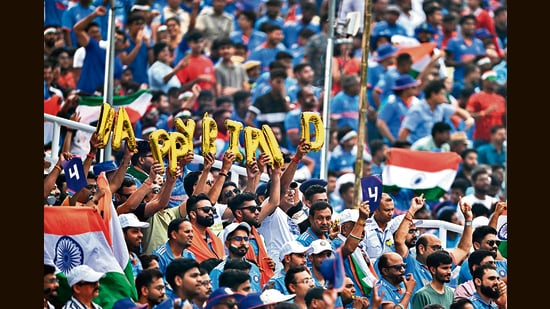
Sunday’s India versus South Africa cricket match in the ongoing ICC Men’s Cricket World Cup saw the official broadcaster reach a peak concurrent online viewership of 44 million on its streaming app Disney Hotstar. This was higher than the peak viewership of the India-Pakistan match at 35 million and the India-New Zealand game at 43 million. Disney Star, which owns both the television and digital media rights to Cricket World Cup, is streaming the matches free on the app for mobile users.
Live streaming of valuable sports properties has given the online advertising market a makeover. “Streaming of live sports has changed both the consumer experience and the digital advertising ecosystem in the last one and a half years,” said Shrenik Gandhi, co-founder and CEO of White Rivers Media, an independent digital agency and a major buyer of media on live sports.
Apps streaming live cricket offer quality content, options of multiple camera angles for viewers and other user-friendly tools. “Besides, the opportunities for advertisers to target their audience efficiently are immense,” he said.
Ambika Sharma, founder and CEO at Pulp Strategy, said free streaming of cricket on mobiles phones has increased the number of people watching cricket, especially, as most streaming happens on a personal device.
Additionally, digital feeds allow micro targeting of the relevant consumer segments for brands based on geographies, languages or even interests, she said. Unlike in television where one ad spot is visible to all, digital can sell the same spot to different brands.
“We can do geographical targeting to a pin code level, we have demographic variables and have created 75 plus targeting options. More targeting options mean we have to create a higher number of streams. So, 75 options mean we add thousands of streams as each one has to be a separate signal,” Ajit Varghese, head of network ad sales at Disney Star told HT. He added that the broadcaster made heavy investments in technology to serve ads to millions of viewers without any breakage in signal and a seamless experience.
The World Cup has been able to attract a new set of advertisers since Disney Hotstar launched its self-serve ad platform this year. This allows small advertisers to put ads into the live game. “We have almost 130-150 clients who have come through self-serve. They spend ₹12-15 lakhs and are able to participate in live sports advertising which is otherwise too expensive for them. They log in and put in what they want. It comes to us directly and we serve the ad,” Varghese said. He hopes to open up the platform to 500 plus clients in the future.
Clearly, streaming has democratized live sports advertising. Confined to television earlier, live sports were, and still are, pricey buys for advertisers. Properties like IPL and World Cup require ad budgets of ₹15-20 crore for brands to make somewhat of an impact on television that gets them reach.
But will brands riding on cricket live streams hurt big tech ad platforms like Google or Meta? “Not immediately but the impact may show in 2-3 years. Already 10% of my clients – both big and small – are on World Cup digital stream. This number will only increase,” said White Rivers Media’s Gandhi.
The World Cup has also put the spotlight back on the knotty television versus digital viewership and advertising performance debate. Pulp Strategy’s Sharma said the one-upmanship contest among media platforms will continue. “Digital media is growing but it’s not that people have stopped watching TV. Decline in TV viewing is mostly among premium consumers who buy expensive Netflix, Amazon and other OTT subscriptions to watch on smart TVs. It is definitely a sizeable slice of audience pie but not everyone pays ₹1,000 a month to get entertained. People are still watching DD FreeDish,” she said.
Gandhi said the crux of the TV versus digital fight lies in winning over the top 100 advertisers by claiming better reach and efficiency. “Of course, traditional media is still present but brands are always looking for cheaper and more impactful alternatives,” he said.
Yet for Disney Star, it has been the largest World Cup ever in terms of ad revenue for both TV and digital, said Varghese, adding, “I think there’s enough scope to grow all platforms in India because of the diversity of the audience that we have and the size of the diversity.”
Stay updated with all the Breaking News and Latest News from Mumbai. Click here for comprehensive coverage of top Cities including Bengaluru, Delhi, Hyderabad, and more across India along with Stay informed on the latest happenings in World News.


