
 E-Paper



WR spending ₹10 crore on plugging 27 trespassing hotspots
Railway sources said some of the hotspots are near Vasai, Dahisar, Borivali, Kandivali, Jogeshwari, Andheri, Mahim, Dadar, Lower Parel and Mumbai Central stations

 Prefer HTon Google


MUMBAI: The Western Railway (WR) has identified 27 hotspots between Churchgate and Virar, where commuters risk their lives by using illegal shortcuts to cross the railway tracks. The railway has begun sealing these spots by repairing and rebuilding boundary walls at an estimated cost of ₹10 crore.
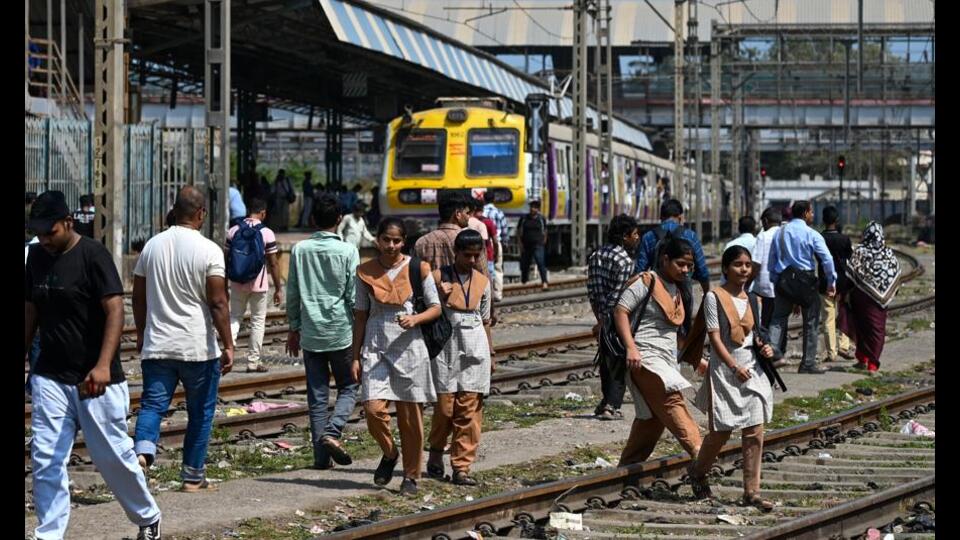
Most of these trespassing hotspots are along breaks in boundary walls along the tracks, usually midway between railway stations. They have been identified in a survey conducted by the railway, Mumbai Railway Vikas Corporation (MRVC) and Railway Protection Force (RPF).
“We had identified 77 gaps in boundary walls along the Churchgate-Virar suburban corridor. These openings were created by commuters to provide access the tracks. In the first phase, 50 such gaps have been sealed. The remaining 27 hotspots will be closed under a new project,” said Vineet Abhishek, chief public relations officer, Western Railway.
Railway sources said some of the hotspots are near Vasai, Dahisar, Borivali, Kandivali, Jogeshwari, Andheri, Mahim, Dadar, Lower Parel and Mumbai Central stations, with Borivali, Vasai and Nalasopara stations being labelled as “death zones” due to the high number of fatalities.
In February, the WR had attempted to deter trespassers by applying grease to the iron fencing flanking the railway tracks near stations, to deter commuters from climbing over the barriers. But that wasn’t enough. Many cross tracks where there are no barriers, leading to fatal accidents.
Between January and May 2026, 706 people died on Mumbai’s suburban railway network, most of them due to trespassing and crossing tracks. This includes both the Western and Central railways. In 2025, on the WR’s Churchgate-Virar section alone, 1,063 people died while crossing the tracks, while 235 others were injured. In 2024, a total of 935 people died in railway accidents on the same corridor, with trespassing accounting for the largest share of fatalities. Despite the obvious risks, commuters still choose to cross the tracks instead of using foot-overbridges, to save time, a railway official said.
In addition, slums residents living alongside the railway tracks frequently use the railway corridor as a shortcut to reach platforms or cross to the other side, contributing to the number of fatal accidents.

Stay updated with all the Breaking News and Latest News from Mumbai. Click here for comprehensive coverage of top Cities including Bengaluru, Delhi, Hyderabad, and more across India along with Stay informed on the latest happenings in World News.


