E-Paper



Lumpy skin disease cases rise in GB Nagar even as vax drive picks up pace
Lumpy skin disease is an infectious viral disease of cattle, which often occurs in epizootic (temporarily prevalent and widespread in an animal population) form. The disease is characterised by the eruption of nodules on the skin, which may cover the whole of the animal’s body, and there may also be nasal discharge and discharge from the eyes

 Prefer HTon Google


Cases of lumpy skin disease (LSD), a viral infection afflicting cattle, have seen a sudden rise in the past couple of days in Gautam Budh Nagar and the district is reporting over 25 cases daily. As on Monday, a total of 150 cattle have been infected with the virus, while two have succumbed to the disease, said district veterinary officials.
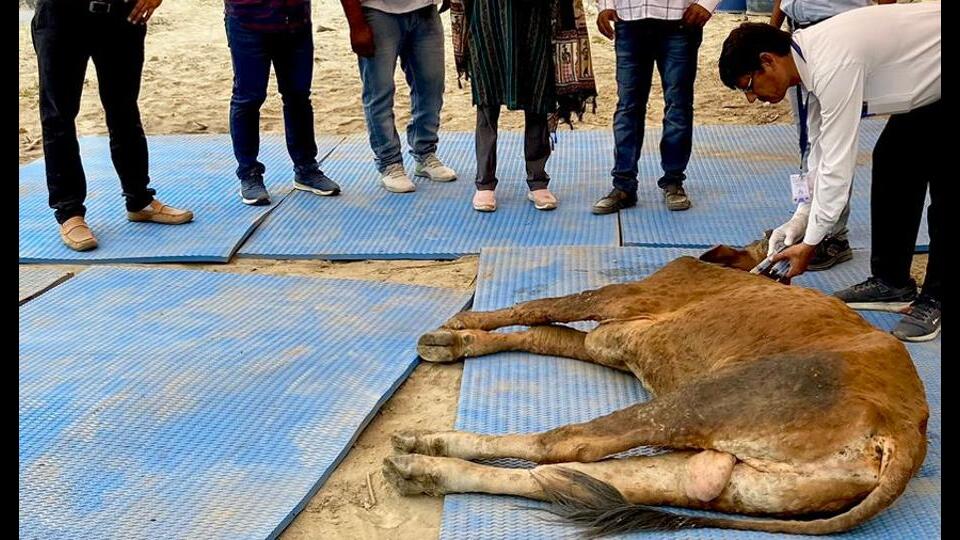
The rise in infection comes amid an intensified drive by the Gautam Budh Nagar veterinary department to vaccinate bovines against LSD. The district has procured additional doses of the goat pox vaccine to check the spread of the virus, veterinary officials said..
“We had been seeing cases since early August, but the infection has seen a sudden spike in the past two days as we are getting about 25-30 cases daily. This is consistent with the trend in other districts and states as well. We have over 15 teams for vaccinating the cattle and monitoring the situation,” said Dr Nikhil Varshney, chief veterinary officer (CVO), Gautam Budh Nagar.
Lumpy skin disease is an infectious viral disease of cattle, which often occurs in epizootic (temporarily prevalent and widespread in an animal population) form. The disease is characterised by the eruption of nodules on the skin, which may cover the whole of the animal’s body, and there may also be nasal discharge and discharge from the eyes.
Doctors usually treat the sick cattle with ivermectin drug and an analgesic, as needed. The infection is spread by some species of mosquitoes, insects and ticks and has claimed the lives of nearly 70,000 cows in the country over the past couple of months, according to central government data. The disease is not transmissible to humans.
“As per a cattle census in 2017-18, the district has about 90,000 cattle and we have already vaccinated 50% of them. We have just procured another 25,000 doses and are vaccinating about 3,000 cattle daily. We hope that in the next fortnight, we will be able to achieve a 100% target as it is the only way of controlling the spread of the disease,” said Varshney.
With rising cases, the Greater Noida authority has set up a dedicated isolation and treatment facility for cattle in Chuhadpur Khadar village on Monday. The vacant premises of the ‘barat ghar’ (community centre) have been turned into a treatment facility that can accommodate up to 40 cattle and it received four sick bovines by Monday evening.
“We have two paramedics and a veterinary doctor from our cow shelter at this centre. The CVO has also sent a team from his office for vaccination and treatment. We are only taking in cattle from Greater Noida areas as other urban local bodies are expected to have such centres within their areas as well,” said Salil Yadav, general manager, Greater Noida authority.
Yadav said another centre has been earmarked where more cattle can be accommodated if cases continue to rise. The bovines that are brought to the vaccination centre are owned by private individuals and all 2,348 cows at the Greater Noida authority-run cow shelter have already been vaccinated.
Animal activists said the actual number of cases is much higher as several bovines suffering from the disease have not yet been reported to the district officials by their owners.
“We have been asking authorities for a long time to undertake surveys so that proper treatment can be given to cattle. Many owners may not be able to get treatment for their animals or even detect the disease early on. There are others who do not have the space to isolate their infected cattle and may end up with all animals contracting the infection. We are glad that the authority has heard our demands for the protection of cows,” said Harinder Bhati, a member of Active Citizen team and a regular volunteer at cow shelters.
According to the CVO, an intensive vaccination drive has already started across the district and over half the district’s cattle population has already been inoculated.
Officials said 45,000 cattle have been given the goat pox vaccine, which includes about 10,000 cattle in various shelters across the district and 35,000 privately owned cattle.
Varshney said 15 teams are involved in the process that are going around in villages and vaccinating the cows. There are also 20 veterinary hospitals in the district where a vaccination drive is underway.