
 E-Paper



No let-up in summer pollution, says UPPCB, Gzb plans tougher steps for winter
The UPPCB figures also show that the level of PM10 (fine particulate matter with a diameter of 10 microns or less, found mainly in dust) during the first eight months of this year was 220 micrograms per cubic metre (ug/m3), or twice the national safe limit of 100ug/m3

 Prefer HTon Google


The air quality in Ghaziabad this summer was only “slightly better” than it was last summer, with the period from January to August recording as average air quality index (AQI) of 200, in the “moderate” category, as compared to a reading of 219 during the same period last year, showed data from the Uttar Pradesh Pollution Control Board (UPPCB).
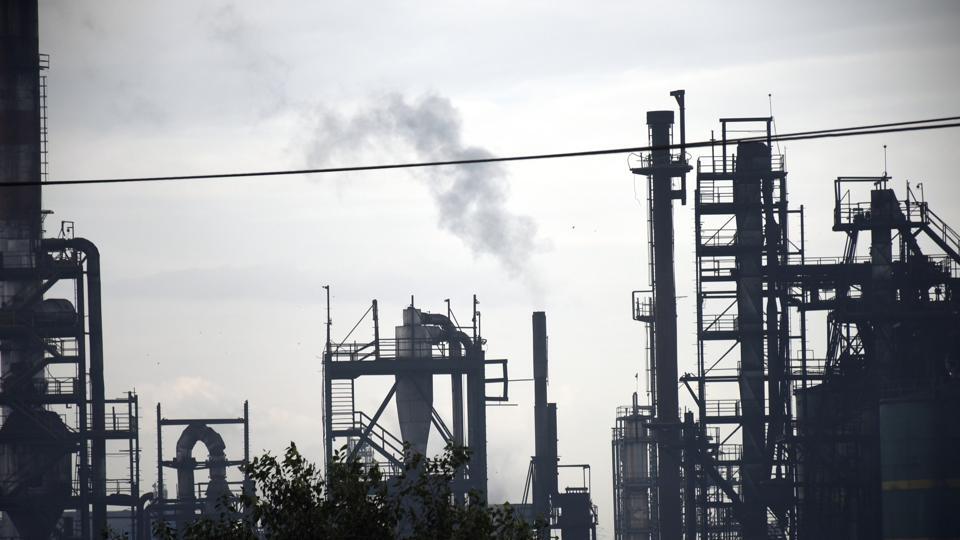
The readings are a cause for worry as they indicate that pollution, instead of remaining curtailed to the winter months, is now becoming a perennial problem.
The UPPCB figures also show that the level of PM10 (fine particulate matter with a diameter of 10 microns or less, found mainly in dust) during the first eight months of this year was 220 micrograms per cubic metre (ug/m3), or twice the national safe limit of 100ug/m3.
In 2021, the PM10 levels were 234 during the same period while it was 150 during the same period in 2020.
Armed with these pollution figures, the Ghaziabad district is now gearing up to implement the graded response action plan (Grap) from October 1, ahead of winter pollution.
“The AQI is on the higher side this summer as well mostly due to reduced rainfall activity and other unfavourable meteorological conditions. On our part, different departments are regularly taking up water sprinkling and road sweeping measures to control dust. An action plan is also getting readied to tackle pollution during the period when Grap will be in force, beginning October 1,” said Utsav Sharma, regional officer, UPPCB.
The UPPCB data shows that the average AQI during the summer months has been steadily climbing since 2019, when the district had recorded a reading of 164 (January to August). In the first eight months of 2020, despite Covid induced restrictions on people movement, traffic, industries and construction activities, the average AQI climbed to 219.
As for PM2.5 (inhalable particulate matter with a diameter of 2.5 microns or less), the levels have not once fallen below the prescribed safe limit of 60ug/m3 in the past three years. It was 76ug/m3 in 2020, 101ug/m3 in 2021 and is presently at 86ug/m3 during the January to August period, showed the UPPCB figures.
The Ghaziabad city is already listed among 16 non-attainment cities in Uttar Pradesh in terms of high pollution levels. Cities are declared “non-attainment” if they do not meet the national ambient air quality standards for particulate matter (PM10) or nitrogen dioxide (NO2) over a period of five years.
“There is hardly any impact on air pollution despite funds being diverted towards pollution reduction measures and different agencies making tall claims about how they are reducing pollution. The vehicular, industrial and other emission are contributing to high pollution levels. There should be CAG audit of funds that have been spent on air pollution abatement measures by different agencies,” said Akash Vashishtha, a city-based environmentalist and lawyer.
In April, Ghaziabad was ranked the second-most polluted city in the world, after Bhiwadi in Rajasthan, in the World Air Quality Report 2021.
The annual report, prepared by Switzerland-based organisation IQAir, surveyed 6,475 cities across the world to arrive at its conclusions.


