E-Paper



Disease outbreak in MP’s Balaghat kills 6 children, over 100 sick: Officials
Experts are now supervising treatment, with acute nutritional deficiencies also detected among children

 Prefer HTon Google


At least six children died and 101 others fell ill in four Baiga tribe-dominated villages of Madhya Pradesh’s Balaghat district in the past month, officials said on Tuesday.
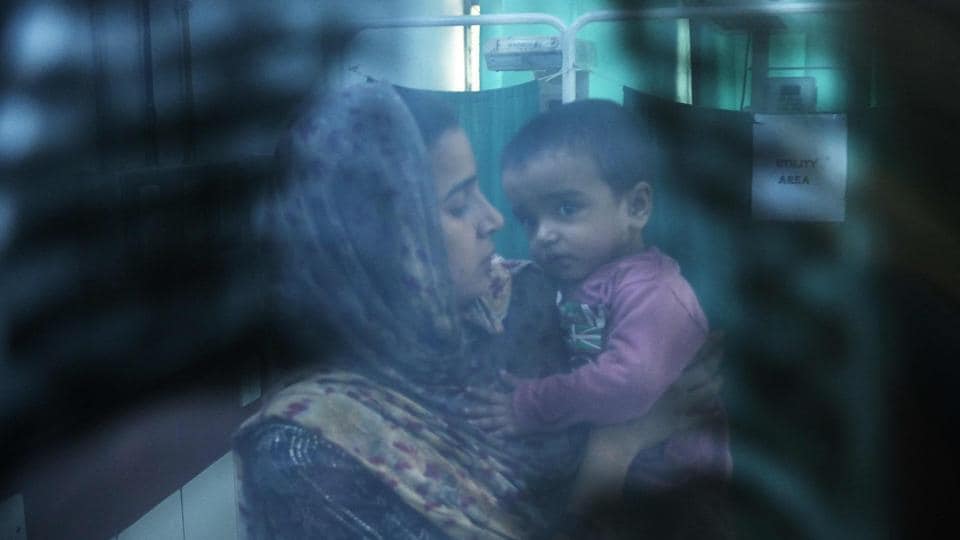
“The children died of multiple infections. Blood samples have been sent to the ICMR-National Institute of Research in Bacterial Infections, Kolkata, and the ICMR-National Institute of Virology, Pune to ascertain the exact cause,” said Paresh Upalap, chief medical health officer (CMHO), Balaghat.
The district administration has set up temporary health camps in the affected villages.
Officials said children between the ages of one and 13 in Adori, Kundeksa, Bondari, and Korka villages were suffering from high fever, rashes, red spots, stomach ache, and ulcers since July. Six of them died, 47 are admitted to the hospital, while 54 are being treated at home.
“Initially, villagers relied on faith healing and rituals. When conditions worsened, they rushed to hospitals in Baihar and Balaghat. The delay in proper treatment cost lives,” said a doctor on condition of anonymity.
Also Read:9 of family killed in Madhya Pradesh’s Rajgarh as flooded drain sweeps van away
Villagers, however, blame the delayed action of the health department. “Children were falling ill for weeks. In the absence of health facilities, six died. Only now has the health department started camps,” said Parasram Dhurve, head of Adori village.
A team from Jabalpur Medical College, led by epidemiologist Dr Ravindra Vishnoi is investigating the outbreak in the villages.
Experts are now supervising treatment, with acute nutritional deficiencies also detected among children. A report has been sent to the health department in Bhopal, the CMHO confirmed.