
 E-Paper



A quarter of 71 Congress MLAs likely to be denied tickets for Chhattisgarh polls
A senior Congress functionary aware of the developments said the decision to drop some of the sitting legislators is based on “solid” inputs through a series of internal surveys conducted by the party in the past five months

 Prefer HTon Google


The Congress is likely to deny tickets to one-fourth of its legislators in election-bound Chhattisgarh, party leaders said, citing their poor performance in the surveys conducted to gauge the winning probability of the likely candidates.
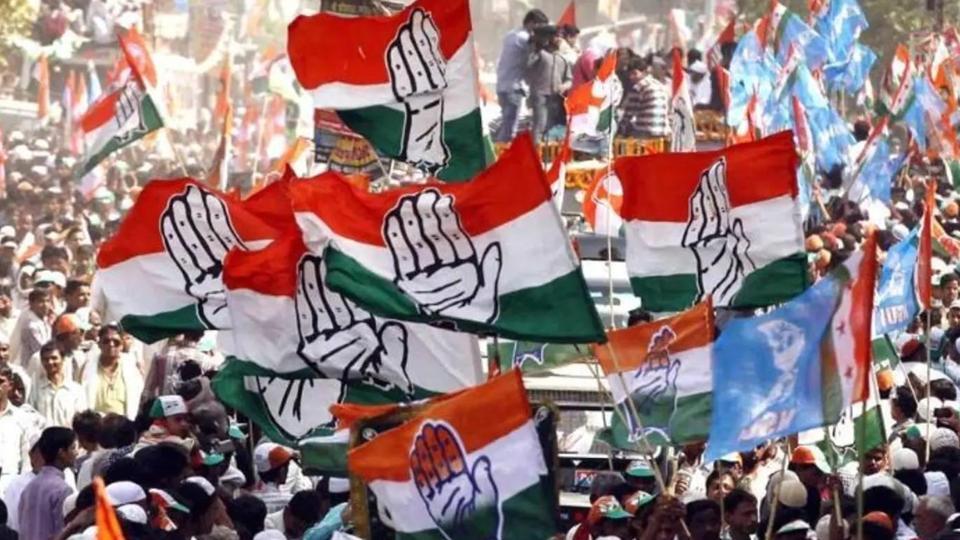
The Congress is expected to release its first list of candidates after poll dates for the state are announced.
A senior Congress functionary aware of the developments said the decision to drop some of the sitting legislators is based on “solid” inputs through a series of internal surveys conducted by the party in the past five months.
“Many sitting MLAs will be dropped this time. The party is focusing on winnability and caste dynamics. The tickets will be decided on the basis of surveys,” said the leader mentioned above.
Another party leader said that most of the MLAs who could be denied tickets were first-time winners in 2018.
“Many first-time MLAs in 2018 elections failed to deliver as elected representatives due to lack of experience,” the second leader said. He added that party workers are also angry with them as they have not addressed their grievances.
In the ticket distribution, the second party leader said that caste and community focus would remain in the ticket distribution with prominent OBC (Other Backward Class) communities such as Sahus likely to get a major share followed by tribal leaders. “We are focusing on that every community can get representation and regional politics is addressed,” the leader said.
Moreover, the Congress, in a bid to beat the Bharatiya Janata Party (BJP) campaign on 33% reservation to women in legislative bodies, wants to increase number of tickets for women this time. Currently, the Congress has 13 women and 58 men among its 71 MLAs in the 90-member Assembly.
“In the 2018 elections, we have given tickets to 12 women candidates for assembly and later in the Khairgarh by-election, one other woman was given a ticket. A total of 13 women were given tickets but in this election, the number can be between 18 to 20,” said a third senior Congress functionary, on condition of anonymity.
In the 2018, the Congress defeated the BJP, which was in power for 15 years under Raman Singh, by winning 68 of the state’s 90 assembly seats. The BJP won 15.
The BJP, which is eyeing a return to power in Chhattisgarh, had released its first list of 21 candidates on August 17 and has 16 first-time contestants and five former legislators.
The state Assembly election in Chhattisgarh is scheduled to be held in November to elect all 90 members of the state’s Legislative Assembly.
-kW0H-U20214218012MgB-250x250%40HT-Web.jpg)


