
 E-Paper



AI, modern design tools set to reshape Prayagraj’s pottery tradition
NIFT-Rae Bareli visited the centre this week and proposed introducing AI in product design and colour selection.

 Prefer HTon Google


Artificial intelligence (AI) and modern design technologies are set to revitalise Prayagraj’s traditional clay and terracotta industry by helping artisans create trend-driven products, improve colour combinations and expand their market reach.
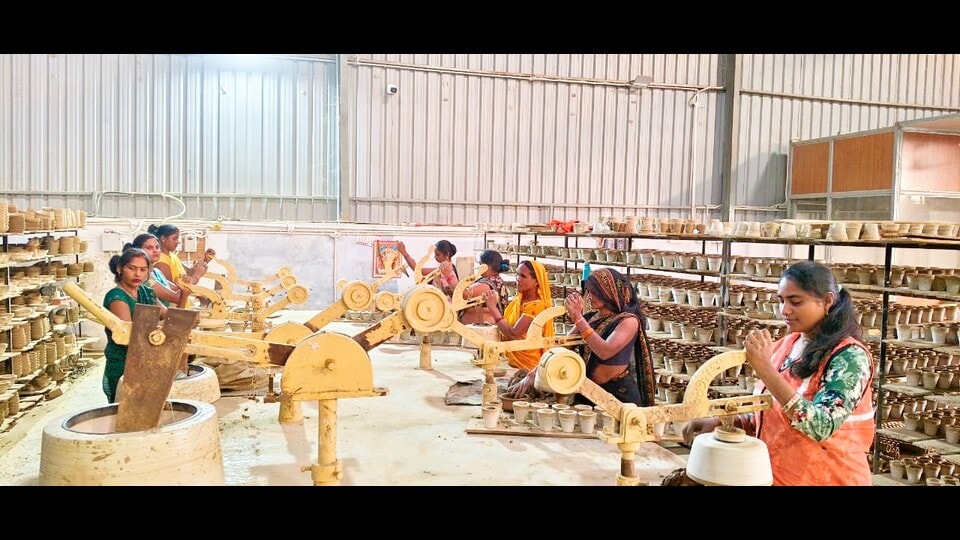
The initiative builds on the success of the ₹3-crore Common Facility Centre (CFC) at Phaphamau, which has modernised production, trained hundreds of artisans and helped revive a traditional craft that had been steadily losing ground to changing consumer preferences and plastic alternatives, said Ashok Kumar Singh, general manager of Manav Kalyan Seva Samiti, which operates the facility.
Established in September 2021, the centre provides modern machinery, common production facilities and training in product design, finishing, packaging and marketing, enabling traditional potters to align their products with evolving consumer demand, he said.
Singh said a team from NIFT-Rae Bareli visited the centre this week and proposed introducing AI in product design and colour selection. If approved, AI-based tools will help artisans identify market trends, develop innovative products and improve their appeal in domestic markets.
The centre houses seven to eight specialised pottery machines and has trained more than 450 artisans. More than four dozen artisans work there regularly, earning around ₹8,000-10,000 a month. The CFC also purchases products directly from artisans, ensuring them a steady income while taking care of marketing.
Demand for eco-friendly earthenware has increased following restrictions on single-use plastic. Designer clay bowls, decorative water bottles, earthen pots and glasses are finding buyers in retail markets as well as at weddings and large social events. The unit has received major orders from Sonbhadra, Jaunpur and Sidhi district of Madhya Pradesh.
The proposed AI initiative is expected to strengthen the Chief Minister Mati Kala Rozgar Yojana, aimed at reviving Uttar Pradesh’s traditional pottery sector.
Jawahar Lal, senior manager of the Khadi and Village Industries Department in Prayagraj division, said that over the past three years, more than 200 artisans in the district have received free electric potter’s wheels, toolkits, moulds for idols and decorative items, colouring machines, skill training and access to affordable credit.
Assistant director (Handicrafts) Tanya Banerjee said government support for indigenous crafts and rising demand for sustainable products had helped revive a craft once on the verge of extinction. She said the CFC had addressed long-standing challenges related to clay storage, firing during the rainy and winter seasons, mechanised production and skill development.
Officials estimate that more than 5,000 pottery and terracotta artisan families in Prayagraj have benefited from improved technology, training, marketing support and enhanced production capacity, giving the traditional craft a renewed future.


