
 E-Paper



Amid pandemic, a building called Quarantine in Madhya Pradesh’s Sagar
The term quarantine was not well known until last year when the Covid-19 pandemic hit the world and isolation centres came up everywhere to prevent the spread of the disease

 Prefer HTon Google


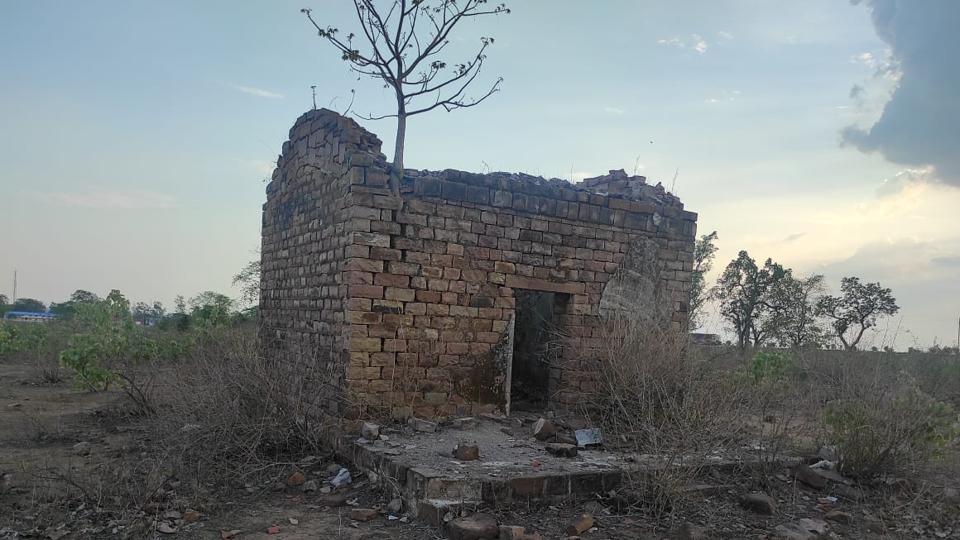
The term quarantine was not well known until last year when the Covid-19 pandemic hit the world and isolation centres came up everywhere to prevent the spread of the disease. But an over 100-year-old heritage building known locally as “quarantine” has been a popular spot at Malthaun in Madhya Pradesh’s Sagar district. Residents say the British colonialists constructed the building and it is known as “quarantine” as it was used for the treatment and isolation of Spanish Flu infected people.
The 1918-19 Spanish flu pandemic was one of the worst in history and spread across the world. It is estimated to have affected about 500 million people, or one-third of the world’s population, and killed at least 50 million globally, according to the United States Centers for Disease Control and Prevention.
Rameshwar Prasad Tiwari, 87, a local resident, said his parents would tell him when Laal Bukhar (Spanish Flu) was spreading in the world, this building was used to isolate people and to provide treatment to the infected people. “When I used to share this story with my sons and grandsons, they used to say how can someone be locked in a building for treatment, But after Covid 19 struck, they started believing me.”
DP Tiwari, a local schoolteacher, said they would play around the “quarantine” and elders would tell them how it was used to isolate cattle and people during the Spanish Flu pandemic. “For us, it was just a heritage building of the British era. Last year, we understood the importance of this place when Covid 19 started spreading in India and the state government started quarantine centres.”
Officials said for two years during the Spanish Flu pandemic, the building was used for containing it.
Ajay Dandotiya, a veterinary doctor, said Malthaun was an entry point to the erstwhile Central Province and Berar State. “It was constructed for cattle as merchants from Kashmir to Kanyakumari used to come with cattle and sheep for selling them here. But to stop the spread of foot and mouth, zoonotic, and other viral diseases, cattle used to be kept in isolation at this centre and merchants used to live in tents nearby for seven to 14 days.”
Dandotiya said when the Spanish Flu broke, the building was used to isolate people, who would come from other states. “A team of doctors treated the people in the camps set up in the nearby ground. However, we do not have any documental proof of that. But we believe this strongly as locals have been sharing this story for decades.”
Neelkamal Rajput, a former local body representative, said they realised the importance of this building after Covid. He added the building is now in ruins and they have requested the state government to restore it and develop it.
Animal husbandry joint director RP Yadav said the building belongs to their department and was used as a veterinary clinic to vaccinate cattle till 1990. “Now, we have sent a proposal to start the process of restoration of this historically important building.”
Sagar collector Deepak Singh said they will restore the building and develop it more to inform people that isolation is not new but an old age practise for preventing the spread of any infection in both animals and human beings.


