E-Paper



Delhi gets 13 districts as Cabinet clears reorganisation
Chief minister Rekha Gupta, who chaired the Cabinet meeting, said the restructuring would strengthen field administration and streamline functions

 Prefer HTon Google


New Delhi:
The Delhi Cabinet on Wednesday approved a sweeping reorganisation of the Capital’s 11 revenue districts into 13 under a redrawn map that, for the first time, aligns the Capital’s revenue boundaries with those of the Municipal Corporation of Delhi (MCD) – a major administrative reshaping aimed at improving coordination among government agencies.
The reorganisation, officials said, represents the most significant overhaul of Delhi’s district architecture in over a decade and also synchronises boundaries with the New Delhi Municipal Council (NDMC) and the Delhi Cantonment Board.
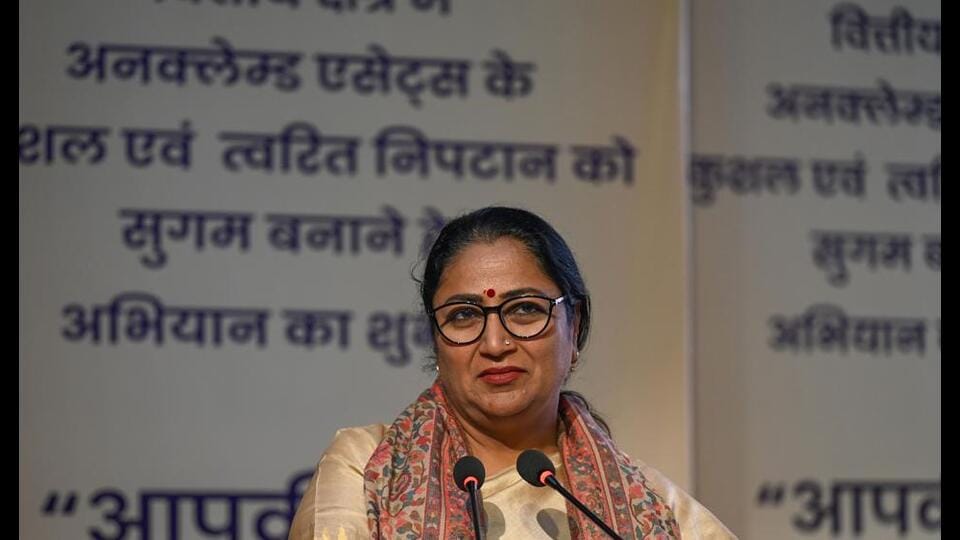
Chief minister Rekha Gupta, who chaired the Cabinet meeting, said the restructuring would strengthen field administration and streamline functions that frequently overlap across civic bodies, from planning and enforcement to property registration.

“Our government has achieved this objective in just 10 months. It is a powerful example of implementing Prime Minister Narendra Modi’s vision of good governance on the ground. One Delhi, One Boundary, One Window – this decision brings the government closer and makes it simpler for every citizen,” Gupta said.
Officials said mismatched boundaries have long been a source of delays and confusion among officials, with several areas in the city often falling in one revenue district but linked to a different municipal zone – causing overlapping mandates, inconsistent responses to complaints and persistent gaps in land record management.
The new structure is expected to be fully operational by December 2025. A gazette notification from the government’s revenue department will be issued within 15 days, with the 13 districts coming into effect on January 1.
According to the department’s notification, the Capital will now have 13 districts and 39 sub-divisions – up from the current 33. The new districts are South East, Old Delhi, North, New Delhi, Central, Central North, South West, Outer North, North West, North East, East, South and West. Each district will have two to four sub-divisions.
At present, Delhi has 11 districts: North, North-East, North-West, West, South, South-West, South-East, New Delhi, Central, Shahdara and East. Shahdara district has been removed; three new districts – Old, Central North and Outer North – have been carved out.
The sub-divisions include Jangpura, Kalkaji and Badarpur in South East; Sadar Bazar and Chandni Chowk in Old Delhi; Burari, Adarsh Nagar and Badli in North; New Delhi and Delhi Cantt in New Delhi; Patel Nagar and Karol Bagh in Central; Shakur Basti, Shalimar Bagh and Model Town in Central North; Najafgarh, Matiala, Dwarka and Bijwasan in South West; Mundka, Narela and Bawana in Outer North; Kirari, Nangloi Jat and Rohini in North West; Karawal Nagar, Gokal Puri, Yamuna Vihar and Shahdara in North East; Gandhi Nagar, Vishwas Nagar and Patparganj in East; Chhatarpur, Malviya Nagar, Deoli and Mehrauli in South; and Vikas Puri, Janakpuri and Rajouri Garden in West.
Officials said the redistribution will balance workloads and reduce service backlogs, especially in high-density zones. Aligning municipal and revenue boundaries is expected to help agencies coordinate during enforcement drives, inspections and urban planning exercises. The current patchwork, officials said, often forced field staff to coordinate across mismatched jurisdictions, slowing down everything from road cutting permissions to disaster-response planning.
A major feature of the new structure is the creation of district-level “Mini Secretariats”. These hubs – one in each of the 13 districts – will house revenue offices, sub-divisional magistrates (SDMs), additional district magistrates (ADMs), tehsils and sub-registrar offices under one roof.
At present, citizens frequently shuttle between multiple buildings, sometimes in different localities, to complete routine tasks such as registrations, affidavits or land-record updates. The Mini Secretariats, officials said, will consolidate these functions and give district heads tighter oversight. The government has allocated ₹25 crore in the current financial year for the first phase of this transition.
“The aim is to make district administration more accessible. Citizens should not have to travel between offices for closely linked services,” a senior government official said.
To address chronic delays in property registration – one of the most heavily used revenue services – the number of sub-registrar offices will rise from 22 to 39. Their jurisdictions will be fully realigned with the new sub-division boundaries. This expansion, officials said, will ease congestion, reduce waiting times and speed up the digitisation of land records. It will also improve coordination with the MCD, which manages building plan approvals and property-tax functions.
The government expects the new districts and sub-divisions to become operational by the end of December 2025, after final approval from the lieutenant governor. Officials said the boundaries of the Delhi Jal Board, Delhi Police, PWD and other key agencies will also be gradually synchronised with the new revenue map to ensure consistency across governance layers.
The restructuring, officials added, will result in clearer administrative jurisdictions, faster grievance redressal, reduced burden on individual district officers, improved revenue-municipal coordination, better disaster-management planning and more efficient land-record systems. The transition will be closely monitored to ensure routine services remain unaffected during the administrative shift.