
 E-Paper



Kanpur case reveals dark underbelly of organised crime in state, all eyes on police action
The police data further reveals that in the last seven years, 43 boys and 59 girls below the age of 16 years -- who went missing from different parts of the state.


KANPUR: The horrific case of daily wager Suresh Manjhi, who was subjected to monstrous brutalities for six months, has yet again brought the existence of begging rackets to the fore in Uttar Pradesh. Besides, the modus operandi of these rackets -- which includes abducting people, making them disabled, and forcing them into begging -- has shown how organised crime is taking place in broad daylight.
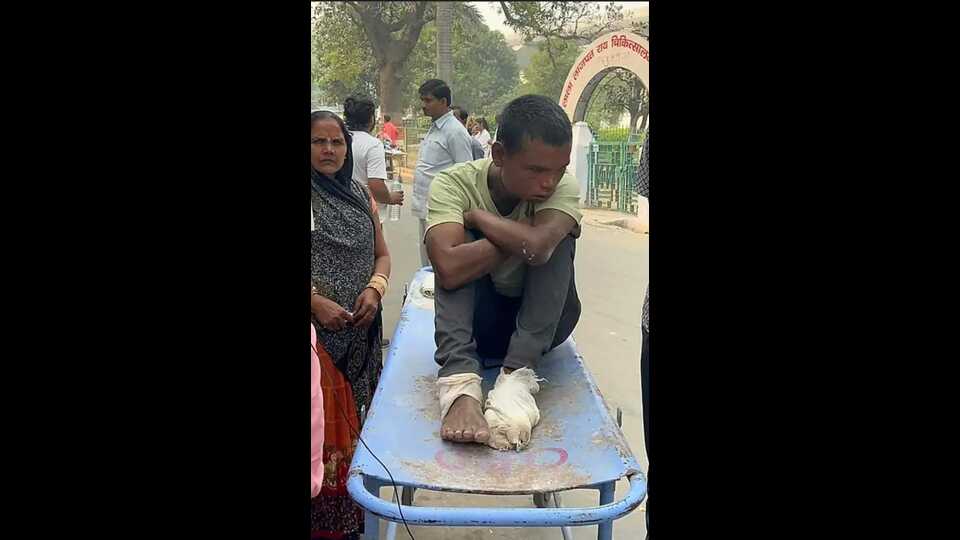
What’s worse is many cases like that of Suresh Manjhi are never even reported. As per police data, 179 children went missing this year (till October) alone. “Of these, 46 children who had run away from their homes over issues with their parents have returned. Meanwhile, police were able to trace 111 others. However, 22 others are still to be found,” said Suraj Chauhan, in-charge of the Special Juvenile Police Unit (SJPU). Notably, the SJPU was established in all districts in 2012 to investigate the cases of missing children (below 18 years).
The police data further reveals that in the last seven years, 43 boys and 59 girls below the age of 16 years -- who went missing from different parts of the state under mysterious circumstances -- have still not been traced. Some of these cases may have involvement of human trafficking racket, as per officials.
Following the latest case of Suresh Manjhi, police have vowed to make a concerted effort to bust such begging rackets. As these gangs usually target vulnerable sections of the society, the success of ongoing police efforts is crucial to their safety.


