E-Paper



Kanpur’s Field Gun Factory: Towed field guns set to get new lease of life
The Indian Army currently possesses approximately 800 such ‘obsolete’ towed field guns, which the Field Gun factory is now set to modernise

 Prefer HTon Google


When firing a field gun, stability is crucial; upon firing, a significant jolt occurs, which is controlled by a recoil mechanism linked to a spring. If the recoil is faulty, the gun can flip, turn around, or at the least, lose aim after firing. Such guns are classified as obsolete and towed away.
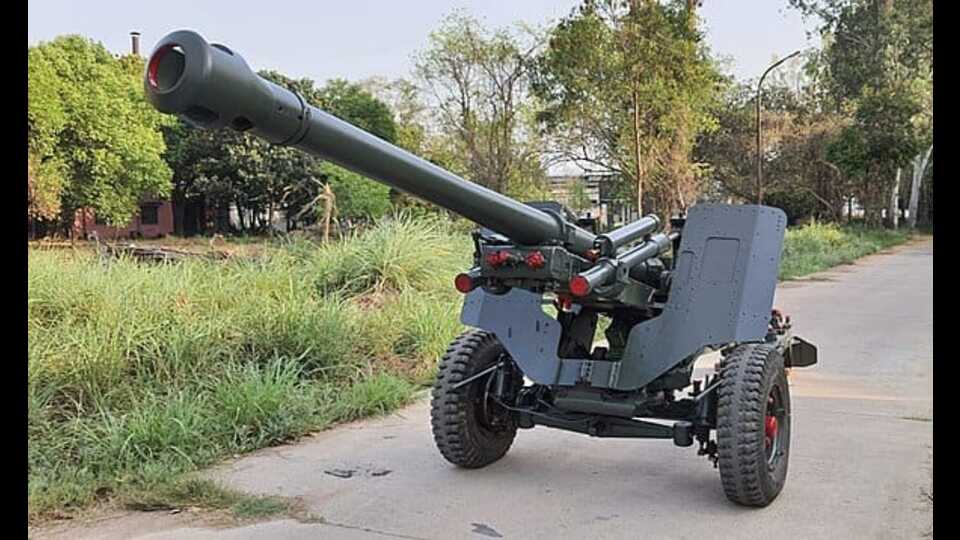
The Indian Army currently possesses approximately 800 such ‘obsolete’ towed field guns, which the Field Gun factory is now set to modernise. The factory’s newly developed barrel recoil system has successfully passed Army trials, with the refurbishing of the 800 guns expected to commence next year.
“The 105 mm field gun is one of the most trusted pieces of military hardware for the Indian Army. We have begun manufacturing an improved version of the recoil system to replace the older models, ensuring these guns will remain operational for many more decades,” stated Ehtesham Akhtar, general manager of the factory.
The guns, which have a firing range of 17.2 km on low and high angles, were manufactured in the 70s, with production lines shutting down in 1988, including those for recoil systems. The factory has continued to provide maintenance services for the barrels, while repairs to the recoil mechanisms have taken place at Guns Carriage Factory, Jabalpur.
The ministry of defence had asked the Field Gun Factory, as the original manufacturer, to develop the new recoil systems, which have been significantly improved for greater reliability, Akhtar said.
The factory plans to install the new recoil systems at its facility in Kanpur, where the guns will also undergo fitness assessment next year.
These field guns are stationed at various borders, including in mountainous regions.
Capable of firing high explosive (HE), high explosive squash head (HESH), high explosive anti-tank (HEAT), and smoke shells, these guns weigh approximately 3,400 kg and can be airlifted if necessary.