
 E-Paper



Ludhiana’s slaughterhouse facility remains a non-starter
Though civic body authorities have been holding meetings with meat shop owners time and again to encourage them to use the facility, the response has been largely lukewarm; high cost of slaughtering, transportation issues keep meat sellers away

 Prefer HTon Google


Even as six months have passed since the much-touted modern slaughterhouse on Hambran Road in Ludhiana was thrown open for meat shop owners, there are hardly any takers for the facility. The high cost of slaughtering, issues regarding transportation, and the failure to establish separate facilities for ‘Jhatka’ and ‘Halal’ meat, have kept the meat shop owners away.
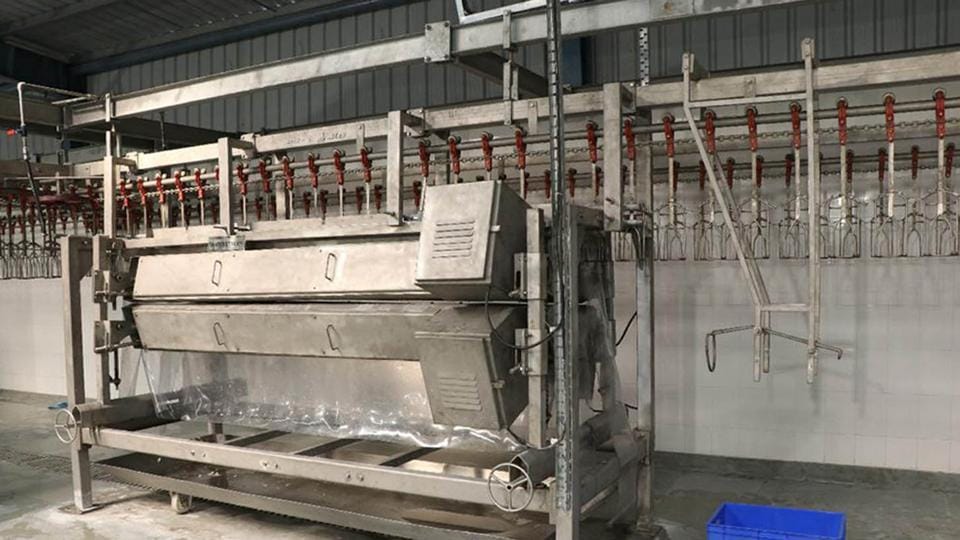
Though civic body authorities have been holding meetings with meat shop owners time and again to encourage them to use the facility, the response has been largely lukewarm.
While in the initial few months, there were a few takers for the facility, footfall dried up completely in the months of May and June when the lockdown was in place. Though in July, the footfall improved, there is still a long way to go.
Cashier of non-veg shopkeepers’ association, Rajesh, said, “The cost of slaughtering is very high. If a shopkeeper gets 2,000 birds slaughtered at the facility, he will have to pay ₹20,000 to the contractor. The same work can be done at a cost of ₹3,500-4,000 by hiring labour at the shop. Further, roadside vendors and small shopkeepers don’t have storage facilities to keep the slaughtered meat so they don’t prefer getting it done in advance.”
Amandeep Singh, the owner of Friends Chicken in Dugri, said, “Though we have proper arrangements to dispose of the waste at our own outlet, we have started using this facility. It will take some time to streamline things. Roadside vendors and small shopkeepers are, however, reluctant to avail the facility.”
An official, requesting anonymity, said the main reason why the facility has remained a non-starter is that the municipal corporation (MC) has been unable to check illegal slaughtering. “The city has around 1,000 meat retailers and 30 to 35 wholesale poultry sellers. At least 50,000 chickens are slaughtered in the city on a daily basis, but only around 400 are slaughtered at the MC facility. In March and April, shopkeepers cited the curfew and lockdown restrictions for not using the facility but even now, only a few shopkeepers are turning up, and that too, after the MC had initiated action against illegal slaughtering,” said the official, adding, “Apart from providing unhygienic meat to residents, the meat shop owners also dump the waste in MC sewer lines, which is harmful for the environment.”
MC joint commissioner Swati Tiwana said, “We conducted meetings with meat shops owners and are working to find a solution for their problems, including the issue of transportation of meat. There has been a marginal increase in the number of shopkeepers showing up at the slaughterhouse and we expect the numbers will go up. Through this project, the MC wants to ensure that hygienic meat is provided to the residents.”
Hanging fire for over a decade, the slaughterhouse project, worth ₹19.5 crore, was completed in January 2020 and operationalised in February this year. The facility can slaughter 2,000 poultry birds an hour, in two shifts of eight hours each, and 1,000 goats, sheep and pigs. The MC general house has fixed the rate of slaughtering a goat/sheep at ₹150, a poultry bird at ₹10 and a pig at ₹100. Officials said the facility also has an effluent treatment plant, a preservation and chilling facility, and a blood processing unit.


