E-Paper



Oppn slams Assam govt’s plans to open more alcohol shops to curb illicit liquor
Assam has around 1,200 licenced liquor shops that sell Indian made foreign liquor (IMFL), along with nearly 1,000 bars


The decision to provide fresh licences for more liquor shops in the states has sparked a new controversy against the Assam government, with the opposition slamming the move as ‘a failure of administration’.
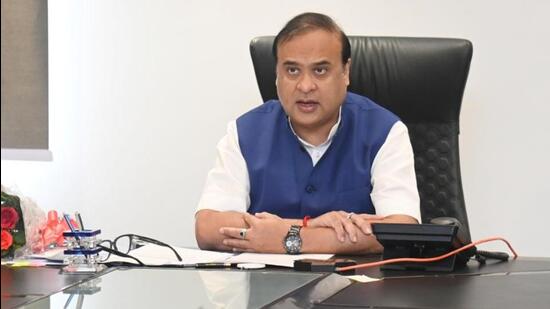
While the Bharatiya Janata Party-led government claimed that the move is aimed at protecting the health of habitual drinkers by curbing the sale of illicit liquor and generate revenue, the Congress has called it ‘unnecessary’.
“As an initial move, we have advertised the opening of 20 new liquor shops across the state. Ten of those have already been allotted to new owners and the process is underway to open all soon,” state excise minister Parimal Suklabaidya said.
He said that the government is also conducting a survey in all districts to find where there is scarcity of licensed liquor shops and where the sale of illicit country-made brew, popular as ‘sulai’, is high. The state is also planning to allot more liquor licences in the coming months.
“There are some areas where there’s no liquor shop in a 25-30 km radius. Drinkers in those areas resort to consuming illicit liquor, which in turn affects their health and can kill them as well. The move to open new liquor shops is to ensure that people drink good quality liquor,” Suklabaidya claimed.
Also Read:Bypoll Effect: HC permits booze after 6 pm on November 6
Suklabaidya said the move to open new liquor shops will also counter the sale of liquor which is smuggled in from neighbouring Arunachal Pradesh, adding that while efforts in the past few years have been able to curb the menace, instances of liquor entering Assam from Arunachal still continues.
Leader of opposition Debabrata Saikia cornered the BJP government over this and said, “The minister himself is admitting the failure of the state police and administration in curbing smuggling of liquor from Arunachal Pradesh and also their inability to stop brewing and sale of illicit alcohol in Assam.”
“The government’s move is also against the directive principles of state policy enshrined in our Constitution, which asks the state to endeavour for the prohibition of intoxicating drinks, except for medicinal purposes,” he said.
Assam has around 1,200 licenced liquor shops that sell Indian made foreign liquor (IMFL), along with nearly 1,000 bars. There are also over 300 shops that sell traditionally-made brews legally. The state has 44 distilleries manufacturing IMFL at present.
Saikia alleged that the government wants to provide new licences with the sole ambition to boost revenue and cover up budget deficits.
“I urge people not to drink liquor as it affects their families, health and budgets. But there will always be those who will continue to drink irrespective of the side effects. And what’s the harm if the government earns revenue from selling liquor to habitual drinkers?” Suklabaidya asked.
According to government figures, revenue from sale of liquor jumped from around ₹400 crore annually in 2016, when the first BJP-led government took charge, to nearly ₹3,000 crore in the last financial year.
The increase in revenue was also attributed to the hike in liquor tax from anywhere between 25% and 65% depending on brands.
Besides opening new liquor shops, the government is also conducting laboratory tests on various traditional brews prepared by the state’s indigenous communities so that they can be mass-produced in regulated conditions and sold legally to consumers, Suklabaidya added.