
 E-Paper



Orissa HC orders release of subsidy to poultry project despite delay, cites Covid impact
The court held that denying the subsidy on technical grounds would defeat the very purpose of the scheme to support agricultural entrepreneurs in Odisha

 Prefer HTon Google


The Orissa high court on Wednesday directed the state government to release ₹50 lakh subsidy to a poultry entrepreneur whose project was delayed due to the Covid-19 pandemic, observing that the slow progress of work due to lack of adequate manpower after the pandemic was “natural and obvious”.
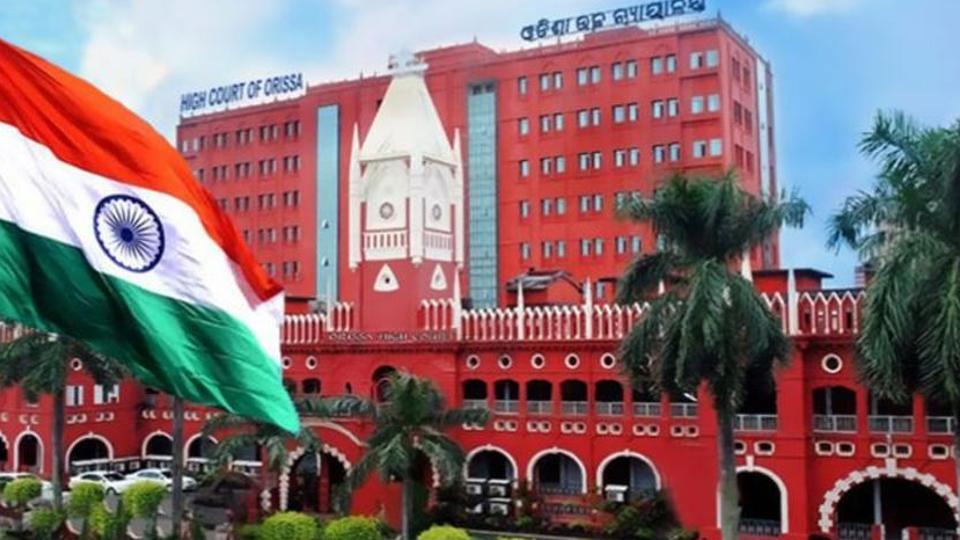
Justice Ananda Chandra Behera allowed poultry entrepreneur Ramesh Chandra Panda’s petition and quashed an order by the Agriculture Promotion & Investment Cooperation of Odisha (APICOL) that denied him a subsidy on the grounds of project delay. The government has been told to release the funds within 15 days.
The court held that denying the subsidy on technical grounds would defeat the very purpose of the Mukhyamantri Krushi Udyog Yojana (MKUY), designed to attract and support agricultural entrepreneurs in the state.
Panda established a poultry farm with a capacity of 30,000 birds at Dimiria in Ganjam district under the scheme. He was sanctioned a loan of ₹1.8 crore in May 2021 and was required to complete the project by May 25, 2023.
But he could only complete the project by the end of April 2024. APICOL rejected Panda’s request for ₹50 lakh in subsidy, citing this delay.
Justice Behera noted that the Supreme Court had extended limitation periods across all proceedings from March 15, 2020, to February 28, 2022, due to Covid-19 restrictions.
“The slow progress of the project work due to lack of adequate man power soon after the end of Covid-19 Pandemic was natural and obvious due to lack of physical ability of the persons/labourers to work physically soon after their recovery from Covid-19,” the court observed.
Emphasising the purpose behind subsidy schemes, the court cited precedents to note that such initiatives were introduced by governments specifically to attract entrepreneurs and promote targeted sectors.
Under the circumstances, denying subsidy on technical grounds would be contrary to the scheme’s core objective of encouraging agri-entrepreneurship. Applying the doctrine of impossibility of performance, the court held that the Covid-19 pandemic constituted a force majeure event—an unforeseen circumstance for which neither party was responsible.
“When performance of the contract on the part of the petitioner became an impossibility and such impossibility can be brought within the fold of ‘force majeure’, because it applies to a subsequent unforeseen event or contingency, for which neither of the parties is responsible,” the court said.
The court also noted that the state government hadn’t opposed the petitioner’s claim for subsidy through any counter-affidavit.



