E-Paper



Govt depts to make centralised payment of power bills
According to officials, the government has decided to introduce a centralised billing system in which power bills to the UPPCL will be paid by the department headquarters and not by district-level offices

 Prefer HTon Google


LUCKNOW In a bid to streamline the bill payment process and help cash-strapped Uttar Pradesh Power Corporation Limited (UPPCL) maintain liquidity, all government departments, corporations, development authorities, and local bodies will now pay their electricity dues centrally.
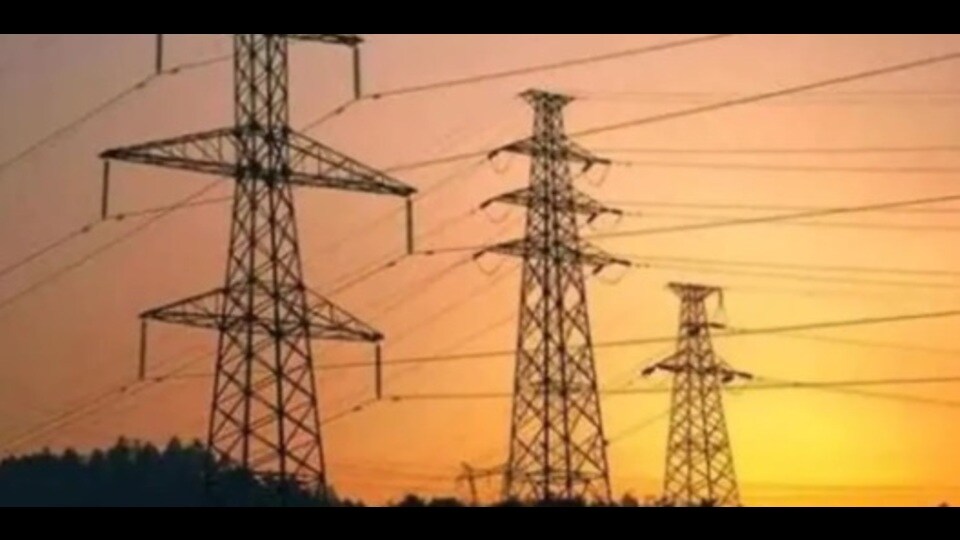
According to officials, the government has decided to introduce a centralised billing system in which power bills to the UPPCL will be paid by the department headquarters and not by district-level offices. “A decision regarding the centralised billing system was taken in a meeting chaired by chief secretary Durga Shankar Mishra last week,” said a senior energy department official.
“Under the current decentralised system, the education department, for example, pays electricity bills for schools and colleges through BSAs/DIOs in every district. However, it will now be the concerning education directorate’s responsibility to clear the bills to the UPPCL,” the official added.
“What is even more significant is that government departments and other bodies have been directed to mandatorily release at least four installments quarterly to pay the bills to the UPPCL instead of clearing the dues at the end of the financial year after the budget is allotted to them,” the official further said.
Presently, the government departments pay (if at all) their power bills at the end of the year because of which the UPPCL’s cash-flow is disrupted. The new system, it is blamed, will ensure cash flow to the corporation and help the body pay dues to the power-generating companies that cumulatively have around ₹20,000 crore dues against the UPPCL.
Significantly, the recovery of power dues from various government departments has always been a complex issue for the UPPCL. Many attempts were made in the past to resolve the issue but the UPPCL is still said to have around ₹10,000 crore dues pending against various departments. The urban development and the jal sansthan departments are among the major defaulters.
According to a report prepared by the UPPCL, dues of around ₹4,000 crore are pending against the urban development department, ₹2,500 crore against the jal sansthan, and ₹1,500 crore against the streetlight. “The government is also to clear a huge amount of subsidy for providing cheaper power to the power looms,” another officer said.
The UPPCL, according to him, is left with a cash gap of ₹80 crore (without government subsidy) every day due to the wide difference between the daily power purchase cost and the revenue collection. “The introduction of the centralised billing system may increase the UPPCL’s much-needed cash flow,” the official asserted.