
 E-Paper



PAU suggests direct seeding of rice to address labour pangs
In DSR technique, the filed is laser-levelled and rice is sown with the help of a tractor-operated lucky seed drill (LSD), which also sprays herbicide


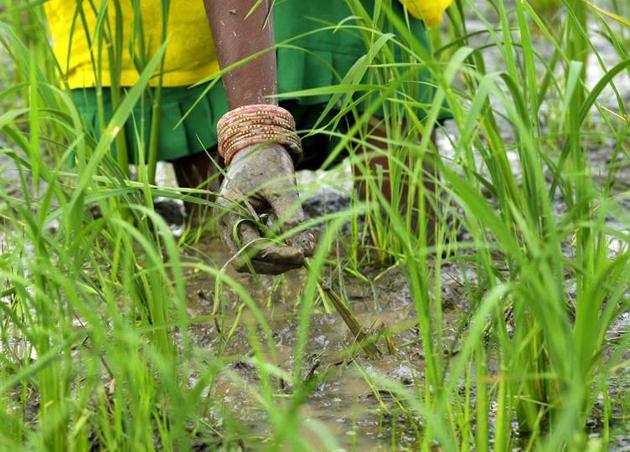
Amid the labour shortage due to coronavirus outbreak, Punjab Agricultural University (PAU) has suggested a new direct seeding of rice (DSR) technique to address the issue during rice transplantation season.
PAU senior agronomist MS Bhullar informed that the technique was successfully tested on large fields last year.
In DSR, the field is first laser levelled, followed by pre-sowing (rauni) irrigation and preparation of the field when it reaches tar-water (good soil moisture) condition.
Rice is then sown with a tractor operated lucky seed drill (LSD), which also sprays herbicide at the same time.
“In case the machine is not available, paddy could be sown with the help of rice seed drill having inclined plate metering mechanism and herbicide could be sprayed immediately,” said Bhullar.
For herbicide spray, he suggested to dissolve one litre stomp/bunker 30 EC (pendimethalin) in 200 litre of water for one acre area. Use 8 to 10kg seed for one acre and imbibe rice seed in water for 8 hours and then dry in the shade, he said.
“Before sowing, treat rice seed with 3g sprint 75 WS (mencozeb + carbendazim) by dissolving in 10-12 ml water per kg seed, make paste of fungicide solution and rub on the seed. Apply first irrigation at 21 days after sowing and schedule succeeding irrigations as per monsoon rains,” the agronomist said.
As weather is sweltering during June and evaporation is also high, the delayed first irrigation under this technique saves lot of water. Besides, it also reduces weed problem and helps roots of rice penetrate deeper, reducing incidence of nutrient deficiency, especially iron.
Furthermore, with the new DSR technique, rice can be directly seeded into medium to heavy textured soils (sandy loam, loam, clay loam, silt loam), which accounts for 87% area of the state.
Also, the profit generated from rice sown with the new technique is at par with the rice transplanted in a puddle field.
Asking farmers to prefer short duration rice varieties for direct seeding, Bhullar urged them to adopt this technique and bring rice area under direct seeding during first fortnight of June, before beginning rice transplantation.


