
 E-Paper



After PMC, PCB’s slaughterhouse comes under MPCB scanner; individual meat shops remain largely unmonitored
During an inspection on July 22, MPCB officials observed multiple violations at the PCB slaughterhouse, including a non-functional or poorly managed effluent treatment plant, unsafe disposal of solid waste, and the absence of proper exhaust and ventilation systems


Days after moving to shut down the Pune Municipal Corporation (PMC) slaughterhouse for non-compliance with environmental norms, the Maharashtra Pollution Control Board (MPCB) has turned its focus on the Pune Cantonment Board (PCB)-run abattoir. The PCB facility has come under scrutiny for flouting several key pollution control regulations, prompting the state regulator to issue a closure notice on September 18 under Section 33A of the Water (Prevention and Control of Pollution) Act, 1974, and Section 31A of the Air (Prevention and Control of Pollution) Act, 1981.
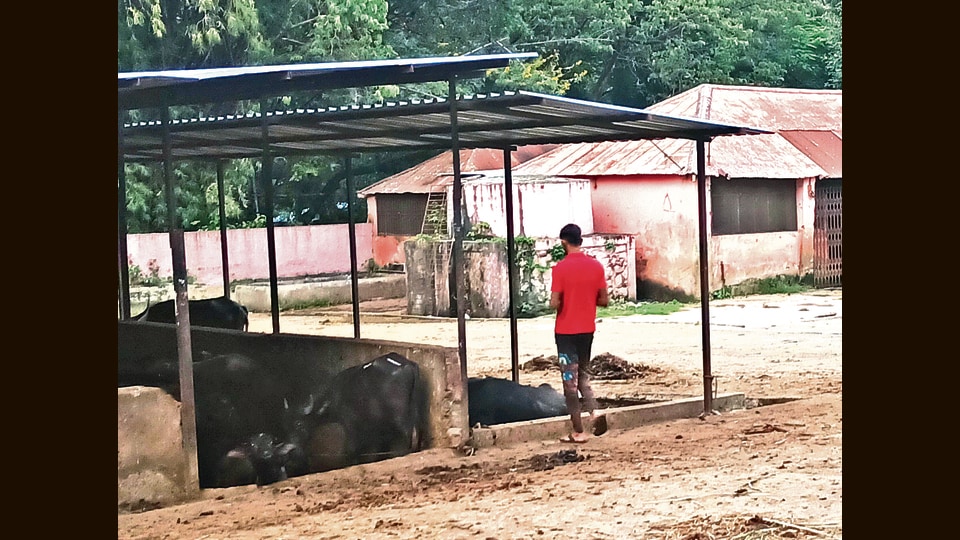
The MPCB action has reignited concerns over Pune’s slaughterhouse operations and highlighted a larger problem: while civic-run facilities fall under regulatory oversight, smaller slaughter units and individual meat shops operate with little or no supervision, raising risks of environmental damage and public health hazards.
During an inspection on July 22, MPCB officials observed multiple violations at the PCB slaughterhouse, including a non-functional or poorly managed effluent treatment plant, unsafe disposal of solid waste, and the absence of proper exhaust and ventilation systems. Untreated wastewater was being discharged into Bhairoba Nalla in Netajinagar, while the facility’s lack of odour-control measures affected surrounding residential and commercial areas.
Following the inspection, MPCB recommended immediate closure, which was approved by senior officials on August 25. The notice comes just three months after a similar closure directive to the PMC-operated abattoir, highlighting systemic infrastructure and compliance issues in civic-run facilities.
The decision has alarmed butchers who rely on these facilities. Munnavar Qureshi, working president of the All India Jamiatul Quresh, said the butchers pay ₹60– ₹80 per animal to PCB for the service. “Closing the slaughterhouse will not only affect livelihoods but may also push slaughtering into unregulated spaces, increasing illegal activity across the city,” he warned.
Despite repeated attempts, senior PCB officials, including CEO Vidyadhar Pawar and engineering head Maruti Sabale, were unavailable for comment. Meanwhile, the shortage of official slaughterhouse capacity has already forced some slaughter activities into small, unauthorised shops across Pune, which largely escape regulatory scrutiny.
Waste management remains a major challenge. Sandip Kadam, Deputy Commissioner of PMC’s solid waste management department, confirmed that while two systems exist for meat waste collection, one directly managed by PMC and another through private contractors, complaints about inefficiency and irregularities persist. Kadam said a dedicated meat waste processing centre is expected to become operational in one to two months, which will systematically handle meat waste from across the city.
At present, PMC has registered 1,200 chicken shops and over 300 mutton shops. Its slaughterhouse can process around 80 large and 20 small animals daily, all after mandatory ante-mortem and post-slaughter examinations, said Dr Sarika Funde-Bhosale, chief veterinary officer of PMC. She added that sanitary inspectors monitor illegal slaughter, while the veterinary department issues licences at nominal fees.
Dr Ankush Parihar, joint commissioner, disease investigation section, animal Husbandry department, said ante-mortem checks are conducted before slaughter, and post-slaughter examinations are carried out by civic authorities, but only for large animals.
A senior Food and Drug Administration officer (requesting anonymity) added, “FDA officials regularly test meat and chicken samples, but the local bodies have more power to take action against illegal shops operating without licences.”
With civic slaughterhouses facing closure and smaller shops operating unchecked, Pune’s meat supply system continues to struggle with regulatory gaps, environmental risks, and threats to both public health and livelihoods.


