
 E-Paper



After Tamhini sanctuary, tourist entry restricted to Bhimashankar till Sept 30
The decision aims to mitigate risks, especially during the rainy season when the danger is heightened, say officials


In response to the recent surge in drowning incidents, the forest department, on Monday, restricted the entry of tourists into Bhimashankar Wildlife Sanctuary till September 30.
Earlier on Saturday, the department had banned the entry of tourists to the Tamhini sanctuary till September 30.
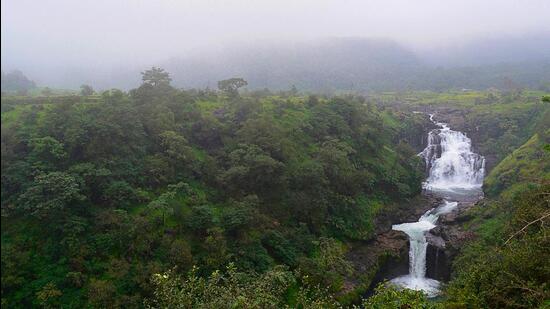
In Bhimashakar, the department identified six waterfalls, and all the connecting routes and trails are closed to visitors. These include Kondhwal Waterfall, Chondi - Khopiwali Waterfall, Nhani Waterfall near Padarwadi, Subhedar Waterfall near Nariwali, Ghongal Ghat Nala - Khandas - Bhimashankar route and Shidi ghat - Padarwadi - Kathewadi route.
Tushar Chavan, deputy conservator of forest (wildlife), Pune forest department, said, ”Tamhini, Bhimashankar Wildlife Sanctuaries and some other areas in Maval, Mulshi, and Junnar tehsils are known for its scenic beauty and waterfalls. Many tourists are attracted to these places during the monsoon. However, the unpredictable water flow and slippery paths pose significant risks.”
“The decision aims to mitigate risks, especially during the rainy season when the danger is heightened,” he said.
There are multiple entry points for the sanctuary area. Hence it is challenging to stop visitors from entering the forest area. To overcome this challenge, the forest department has now increased vigilance in the area, and we have also increased patrolling on these trails.
“If anyone is found violating the rule, action will be taken against them as per the Indian Wildlife Protection Act,1972,” said Sameer Ingale, range forest officer, Tamhini Wildlife Sanctuary.
Suhas Divase, district collector, instructed the forest and irrigation department to prepare a list of tourist spots and categorise them into three parts viz A, B, and C according to the footfall.
In the ‘A’ category places where the number of visitors is higher, a carrying capacity of such places including forts, waterfalls, and lakes should be prepared and entry needs to be provided as per that capacity. For this, an online system will be developed and tourism permission will be provided on a first come first serve basis to manage the crowd.


