
 E-Paper



AI-based alarm systems installed at 12 locations in Shirur
According to a senior forest officer, the sites were finalised after detailed research and the system will provide early warnings to residents about leopard movement in the area.

 Prefer HTon Google


PUNE: As part of its efforts to mitigate the growing human-leopard conflict, the Junnar forest department has installed artificial intelligence (AI)-based alarm systems at 12 carefully identified locations in Shirur tehsil. According to a senior forest officer, the sites were finalised after detailed research and the system will provide early warnings to residents about leopard movement in the area.
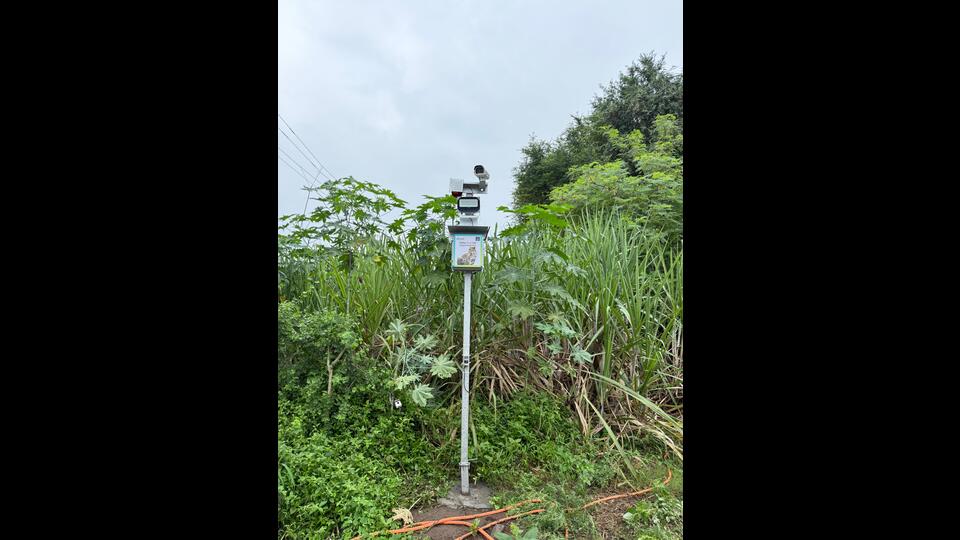
Smita Rajhans, assistant conservator of forests, Junnar forest department, said, “Under the disaster management initiative, the department received 50 units of AI-based alarm systems, 12 of which have been recently installed at various locations in Shirur tehsil. Earlier, 10 more systems were installed in Manchar and other areas with the total count being 22 systems installed. These alarm systems have been installed with the help of our technology partner, SimuSoft Technologies, a Pune-based company. The systems are equipped with high-resolution cameras and can capture images up to distances of 100 metres. If there is leopard movement in the area, the systems are capable of sounding warnings to alert the people around. The systems have been installed at locations where there have been repeated leopard sightings such as the chowk, roadside, near schools etc. We interacted with the villagers before finalising the installation locations.”
Unlike the animal intrusion detection and repellent (ANIDER) system which is also an AI-based portable alarm system installed at 55 locations across Junnar, Shirur and Narayangaon, the new system is a permanent installation and is mainly dedicated to leopard identification. “We will install the remaining units within a week,” Rajhans said.
Asked about the effectiveness of the system, the officer said, “This system is effective in leopard detection. With more such systems installed in the near future, we are hopeful that people will get timely warnings that will help avoid leopard attacks.”
In the wake of the leopard attack-related death reported in Kunshet village on September 24 and the repeated leopard sightings in Narayangaon, many villagers have expressed dissatisfaction with the people’s representatives in the area. To soothe frayed nerves, an emergency meeting was held in Narayangaon on September 30, wherein senior forest officials, public representatives and members of the joint management committee were present.
Prashant Khade, deputy conservator of forests, Junnar forest division, said, “A meeting was convened to discuss the ongoing human–wildlife conflict in Junnar and the adjoining areas. It was attended by Ashish Thakare, chief conservator of forests (Pune), MLA Sharad Sonawane, sarpanchs of various villages, and officials from the forest department.
During the meeting, villagers impacted by the conflict shared their concerns and expectations. The forest department also briefed them about measures already underway to reduce the number of such incidents. Based on the suggestions received, the department will now pursue key demands such as installation of street lights and solar fencing with the concerned authorities.
BOX
Detection of leopards hiding in the grass a concern
While the forest department is making consistent efforts to mitigate the human-leopard conflict, including installation of the AI-based early warning system at several locations, certain limitations persist. These systems are not equipped to detect leopards hiding in the tall grass or sugarcane fields.
Several incidents of human fatalities have been linked to leopards suddenly emerging from such areas. As a result, identifying leopards hiding in fields and in the grass continues to be a significant challenge for the forest department.


