
 E-Paper



Baramati court sets aside process against DCM Ajit Pawar in 2014 poll code case
Additional sessions court in Baramati has set aside a magistrate’s order initiating legal proceedings against deputy chief minister Ajit Pawar in 2014 election-related case


An additional sessions court in Baramati has set aside a magistrate’s order initiating legal proceedings against deputy chief minister Ajit Pawar in a 2014 election-related case, terming the lower court’s decision “perverse”, inadequately reasoned, and indicative of “no application of judicial mind”. The order was passed on Tuesday, a copy of which was made available on Friday.
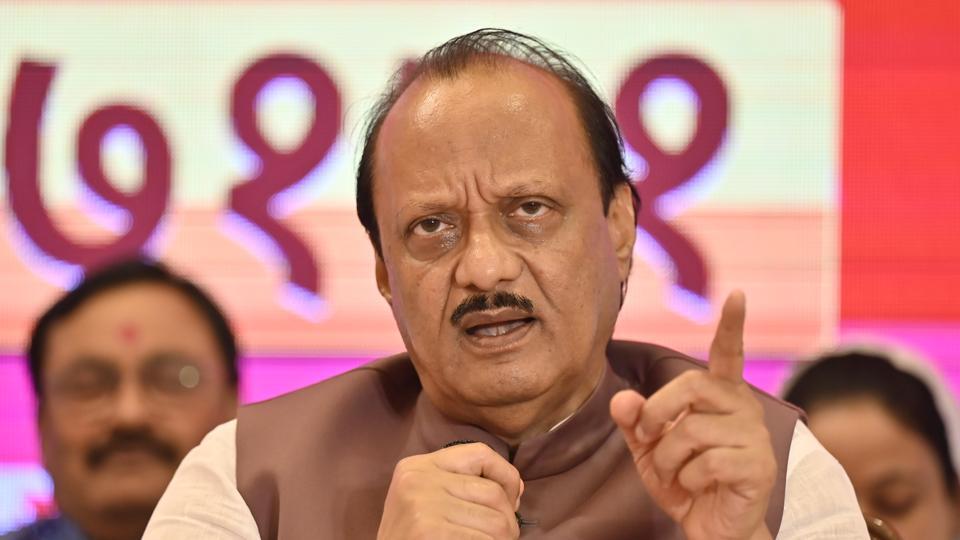
The case stems from a complaint filed by retired IPS officer and 2014 AAP Lok Sabha candidate Suresh Khopade. He alleged that Pawar threatened voters during a rally in Baramati on April 16, 2014, warning that water supply to certain villages would be cut if they did not vote for his cousin, Supriya Sule. The complaint invoked Sections 171C (undue influence) and 171F (punishment for undue influence) of the Indian Penal Code.
Initially, the magistrate deferred the issuance of process and ordered an inquiry under Section 202 of the CrPC, noting that the video clip submitted by Khopade was unclear and raised doubts about the timing, location, and target of the alleged threat. Following a police report—which did not include a voice analysis—the magistrate issued a process in November 2024.
The sessions court, presided over by Judge Vijay C. Barde, held that the magistrate had relied solely on the same video clip previously deemed insufficient, without addressing deficiencies highlighted during the Section 202 inquiry. The court ruled this approach “perverse” and inconsistent with the requirement that a magistrate must record reasons demonstrating prima facie satisfaction before summoning an accused. Citing Supreme Court precedents, including Sunil Bharti Mittal vs CBI, the judge emphasised that issuing process requires judicially exercised discretion and that reasoning must be evident on record. The November 19, 2024, order was set aside, and the matter was remanded to the magistrate for fresh consideration based on the material already available.
Khopade, through his lawyer, argued that the complaint reflected the concerns of local voters and that Pawar’s alleged threat was captured in a video-audio clip where the petitioner’s voice was clearly audible. Three witnesses supported the complaint, and a naib tahsildar had provided a voice sample for comparison, which a forensic expert reportedly confirmed matched Pawar’s voice. Khopade contended that the police had recorded statements from the witnesses, who reiterated their earlier accounts, resolving the concerns that initially prompted the Section 202 inquiry.
Pawar’s lawyer countered that the magistrate’s order was vague, illegal, and issued without proper judicial application of mind. He argued that the magistrate relied on hearsay and an unauthenticated video clip, whose source and creator were unknown. None of the witnesses had personally seen the alleged incident, and the clip could have been doctored. He further noted that no valid Section 65B certificate was submitted for the video, and a forensic voice examination was absent. The reversal by the magistrate, the advocate argued, was perverse, caused serious prejudice to Pawar, and justified setting aside the order.


