
 E-Paper



Building a nationwide custom clothing network
Tailor Smart, set up in 2014 by Praveen Zade and Joy D’Silva, had a vacancy when Joy left to become a priest. Their customer, Pritam Onsker, was so impressed by their services that he joined as a co-founder. Their story..

 Prefer HTon Google


“Tailor Smart is built on a simple idea,” says Pritam. “We make clothing truly personal and convenient. Off-the-rack garments are typically sized for Western body types, which often don’t align with the average Indian physique. For instance, many Indians end up buying expensive shirts that pull at the waistline because they’re not designed with common body shapes, like a slight paunch, in mind.
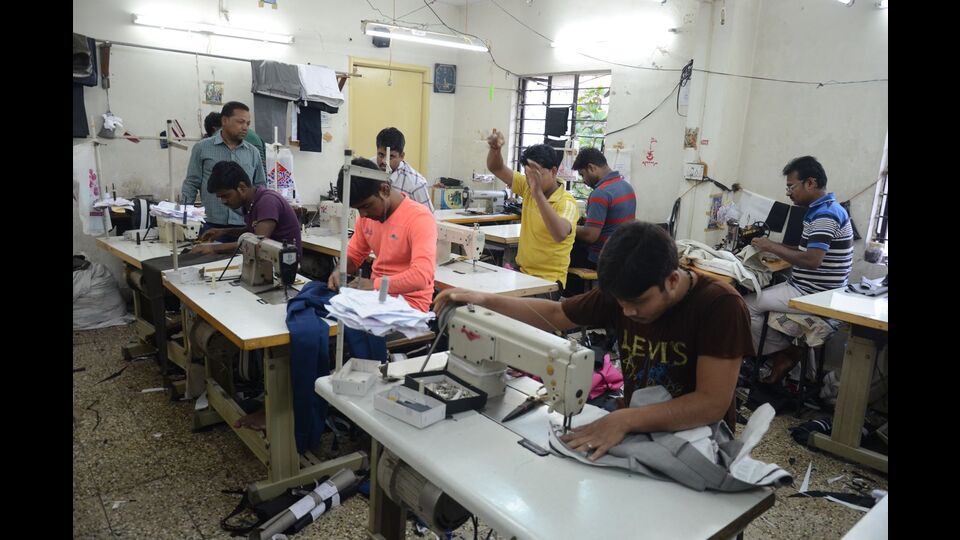
“What sets Tailor Smart apart is our fully customised experience. We take your exact measurements and bring a curated selection of fabrics, ranging from premium to budget-friendly, right to your home or office. Once your outfit is stitched, it’s delivered directly to your doorstep. Best of all, our tailored clothing typically costs 40–50% less than comparable ready-made brands.”
In the first year, they had signed on 20 tailors who stitched only men’s clothing. “From that time in 2017 when we first started, we now have 800 tailors spread all across India who tailor men’s and women’s clothing. All are skilled in specific dress items. So, for example, if saris have say six types of blouses, we have tailors who specialise in each type. As of now, we have 100 tailors who do only shirts, another 100 who do only sari blouses and 100 more who do ethnic wear for women.”
So what did it take to build this service?
Anyone who gets their clothes tailored knows very well how tedious it can be to find someone who can tailor their clothes well. So how does Tailor Smart manage to get tailors on their roll? Says Pritam, “The credit for this goes to Praveen. He is from the Bhavsar family, which is traditionally known for its expertise in tailoring. He is the third generation of tailors, and being one, belonging to the Bhavsar family, has a huge network all over the country.” And so Praveen used his familial network to get tailors enrolled.
The tailor community operates with certain skill sets. So while one may be very skilled with shirts, another will be an expert at trousers, a third with only sari blouses and so on. What Pravin did was to get tailors known for different skill sets and initially give them fabric to stitch different types of clothes. Says Pritam, “We tried several tailors over the years. First, knowing where their skill lies and then giving them a trial piece to know for sure if they meet our standard.”
800 tailors would translate into 800 salaries? “We had studied earlier models and understood the problems,” says Pritam, “what other companies had done was keep tailors on salaries and also bought in the fabric that they showed to their customers. Often, this fabric would go out of style as the companies introduce new materials every six months. In addition to this, they had their tailors at fixed locations. So if a blouse had to be stitched, then they’d have to take the material to Bangalore from Pune or a trousers to Delhi since they had their tailors there. As a result, they lost a lot of money, one, keeping dead stock, paying tailors’ salaries and having to transport the material to different cities.”
Learning these lessons from others’ mistakes, Tailor Smart created its own Capex light model. Pravin brought in tailors from all over the country so the fabric does not need to be transported. They paid their tailors per job done. And had tie-ups with different textile manufacturers who gave them their latest swatches to choose from.” Says Pritam, “Moreover, we took 100% advance from our customers, so we did not have to run into bad debts. This helped us, helped the tailors and was great for the customers. We became the tailors’ marketing arm, getting them orders regularly.”
To market
Marketing meant advertising and reaching out to customers. This they did in a very interesting way. Says Pritam, “We did not have the money to spend on digital marketing. So we adopted a unique proposition. We conducted an old clothes collection drive in the offices. This gave us easy entry into big corporations. We collected old clothes and donated them to 200 families via several NGOs in Maharashtra.”
Besides collecting clothes for the needy, what this drive did for Tailor Smart was to help them put a foot in the door. Says Pritam, “We told the donors about our service and offered them a 10% discount. The result was that we got quite a few orders from those offices on the first visit itself. Once they tried out our service, they referred us to five more people, and now we have more than 4000 customers on our platform.
Besides this, Tailor Smart got onboarded onto Reliance Retail’s store in Belgaum in 2022. “From that first store in Belgaum, we are now spread to 25 Reliance stores all across India. What worked for us is the fact that we have tailors all over India. In fact, recently they have onboarded us in Siliguri. We have no problem going anywhere because of our network. Today, we are their No. 1 vendor and operate from their stores. Reliance makes up 50% of our revenues.”
Growth
Leveraging their tailor network, Tailor Smart has now spread to six locations: Mumbai, Delhi, Kolkata, Bengaluru, Goa, and Dubai and is headquartered in Pune.
“Soon after Covid, we did revenues of ₹44 lakhs, the next year we hit ₹78 lakhs, and last year we crossed ₹1.39 crore. This year, we have already crossed ₹90 lakhs in the four months of the financial year,” Pritam says.
The extension to creating awareness about made-to-measure clothing versus readymade clothing.
“Our USP is that we are not a fast fashion brand; we are a slow fashion brand. In this business, the main cost is the fabric. And we give fabric to our customers not at the retail price but at a discounted rate that is at least 30 to 40% cheaper than retail.
Moreover, textiles are the second largest polluter after oil and gas. By using our services, you help cut pollution by not having to drive to the stores, tailors saving at 30% because of it.”
What about human resource management? How do they keep their 800 tailors happy? Says Pritam, “First of all, we pay them more than what other stores pay. Then we ensure that within 15 days of completing an outfit, they are paid. They do not have to wait for their payments like they do with other stores. In fact, we have many female tailors who work from home.”
Tailor Smart has 58 people on its payroll. The headquarters has 12 people, and the rest are in other cities. They are typically the measurement expert, the designers, and runners who go to and fro who are employed. The rest are tailors who work from their own premises.
The future
Pritam aims for Tailor Smart to “Spread to 20 cities in India in the next 18 months. We are now in 6 cities globally, and we want to be in 5 cities that we are in the process of deciding on at the moment. We are getting enquiries from Ecuador, France and Switzerland as of now.”
But aren’t readymade clothes the norm in Western countries? Says Pritam, “They are, but there are also custom-made clothes. The enquiries from these countries are mainly for back-end work. Even the big brands get their clothes tailored in India and sell abroad. We want to make India the backend of tailoring for the world. While we will do back-end work for other brands, our own brand will be made-to-measure.” And made for success!


