
 E-Paper



Now an estimation study about wildlife expansion outside protected areas in Pune district
Earlier in July, a leopard was sighted in a village at the foothills of Sinhagad Fort. There were sightings of Indian Gaur and other wild animals near human settlements

 Prefer HTon Google


Pune - With wildlife sightings outside protected forest areas on the rise in Pune district, the Pune Forest Division is planning to conduct an estimation study about wildlife expansion outside protected areas. For the estimation study, the department is planning to implement the ‘Satara pattern’ wherein the number of wildlife sightings, areas where these sightings are reported, and number of man-animal conflicts will be studied among other factors.
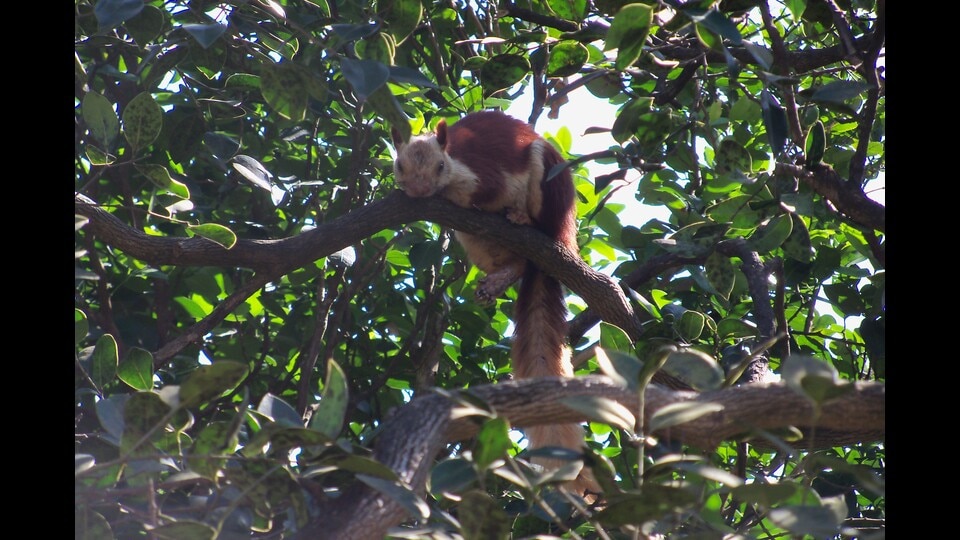
Earlier in July, a leopard was sighted in a village at the foothills of Sinhagad Fort. There were sightings of Indian Gaur and other wild animals near human settlements. Cases were reported of animals attacking human beings or cattle. Gaurs have been known to damage crops in some areas. These incidents are adversely affecting the livelihood of the people and posing a threat to life. Hence, the forest department is planning to carry out an estimation study to understand the expansion of wildlife outside protected areas in Pune district.
Mahadev Mohite, deputy conservator of forests, said, “Man-animal conflicts are on the rise in Pune district. We have also received several complaints about loss of livelihood due to wildlife. To understand the nature of expansion of wildlife, we are planning to conduct an estimation study. The main focus of the study is to understand the wildlife population and their routes of expansion outside protected forest areas.”
Mohite said that they are planning to implement the ‘Satara pattern’ for this estimation study. Regarding the challenges of carrying out a wildlife census outside protected forest areas, he said, “The existing scientific census methodology is more useful for protected forest areas where human intervention is restricted. Outside of protected areas, there is greater human intervention which creates hurdles for such a census. For example, the camera trap study requires 45 days and cameras need to be set up everywhere in the selected area at the same time. When it comes to setting up cameras outside forest areas however, there are chances of the cameras being stolen due to lack of awareness among the people. Therefore, a rough estimation study will help to understand the overall wildlife scenario.”


