
 E-Paper



Fraudsters duping devotees in the name of ‘darshan’ in temples across Maha
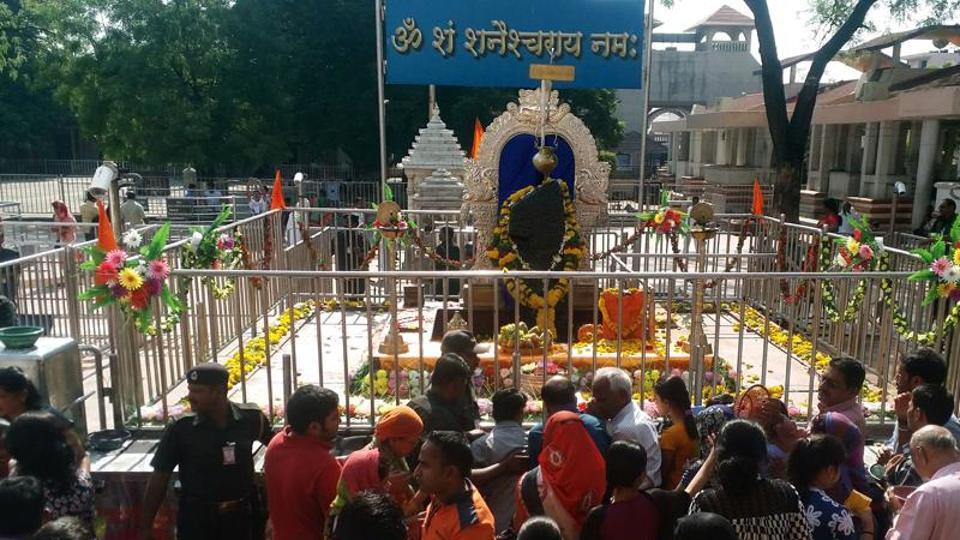
In Shani Shingnapur, devotees were misled by fake websites and QR codes offering services such as VIP darshan, online puja, abhishek and oil offerings - none of which were authorised by the temple trust.

 Prefer HTon Google


PUNE: A series of incidents across major temples in Maharashtra have exposed malpractices ranging from black marketing of darshan passes to fake QR codes and portals to misuse of VIP entry; all of which have exploited the faith (and desperation) of devotees seeking a satisfying spiritual experience. While these cases were reported separately, taken together, they reveal a disconcerting pattern that has forced temple authorities and district administrations to revisit the systems that are presently in place.
At the Jyotirlinga shrine in Trimbakeshwar, Nashik, Nashik rural police arrested five men for black marketing of darshan passes wherein they used fake identities to book multiple passes—officially priced at ₹200—only to subsequently sell them at ₹800 to ₹1,000 apiece. Having worked at flower stalls near the temple, the men used the familiarity to approach devotees unfamiliar with the online pass booking system.
Mahesh Kulkarni, police inspector at Trimbakeshwar police station, said, “Many devotees don’t know how to book online passes. These accused would offer to help such devotees under the pretext of selling flowers.”
Initially, they helped the devotees book passes for free while selling flowers but soon realised that they could exploit the system to their advantage. With no mechanism to crosscheck identity cards during online booking, the accused began mass booking passes and reselling them at inflated prices. The police found out that one of the accused, Shivraj Aher, booked over 1,000 passes in this manner. The accused had also created a WhatsApp group through which the passes were sold. Investigators suspect that more people may be involved in this racket.
Purushottam Kadalag, trustee at the Shri Trimbakeshwar Devasthan Trust, said, “The accused benefitted from the loopholes in the online darshan pass system. We are also in the process of learning and after this incident, we have decided to crosscheck the issued passes with the respective identities (id’s) of the devotees. Also, we will soon introduce an Aadhar card number-based darshan pass system to avoid such incidents in future.”
In Shani Shingnapur, devotees were misled by fake websites and QR codes offering services such as VIP darshan, online puja, abhishek and oil offerings - none of which were authorised by the temple trust. The cybercrime unit has registered an FIR, and identified at least five such fraudulent platforms. Somnath Gharge, superintendent of police, Ahilyanagar district, said, “These were cloned websites designed to siphon donations. Devotees thought that they were contributing to the temple but were transferring money to private accounts instead…”
Whereas Pandharpur has seen multiple cases of fraud. In January, a self-styled priest was booked for charging ₹11,000 from devotees for easy darshan of Lord Vitthal. In March, seven devotees were conned into buying fake darshan passes; the authorities found them to be fake while scanning. Similar such incidents prompted the Solapur district administration to ban VIP darshan during this year’s Ashadhi Wari.
Solapur district collector Kumar Ashirwad said that the ban on VIP darshan is part of a broader effort to ensure fairness and maintain order. “This year, we declared a no-vehicle zone from Chauphala to the Vitthal temple. Golf carts were provided for senior citizens, but VIP darshan has been completely banned. Violations will invite action under the Disaster Management Act,” he said. The ban came after reports that private agents were charging astronomical fees from all manner of devotees for ‘VIP access’, creating a law-and-order risk.
In Tuljapur, a similar situation unfolded at the Tuljabhavani temple with VIP passes being misused. The passes, issued by trustees, were being resold by agents for a profit. So much so that in May this year, the Dharashiv district administration scrapped the VIP pass system and introduced a ₹200 online pass issued directly by the temple trust.
While the aforementioned cases are separate, the common thread tying them together is the use of digital manipulation, emotional exploitation, and gaps in oversight. In almost all cases, devotees were contacted through WhatsApp groups, social media, and fraudulent websites—channels that are difficult to regulate in real time.
For many devotees who had saved for months and travelled long distances, these experiences were not just financial setbacks but also the cause of great emotional distress. Instead of blessings, they were left with a sense of betrayal.
Temple trusts and local authorities have since issued advisories urging devotees to use only official websites or government-authorised platforms for bookings and donations. Devotees have been warned against scanning QR codes from messages or social media posts.
Overall, these incidents have triggered calls for stronger verification systems, improved transparency, and tighter digital security across religious institutions. With the holy Hindu month of Shravan having just begun, there is now a crying need to ensure that the faithful are not targeted in the name of devotion.


