
 E-Paper



Huge gap in routine immunisation: Dr Soumya Swaminathan, chief scientist at WHO
The pandemic has disrupted routine immunisation which has caused an increase in infections such as measles, and more recently cholera, she said

 Prefer HTon Google


There has been a huge gap in routine immunisation due to the Covid pandemic which has led to outbreak of diseases like cholera, said Dr Soumya Swaminathan, chief scientist at World Health Organization (W.H.O.), on Thursday.
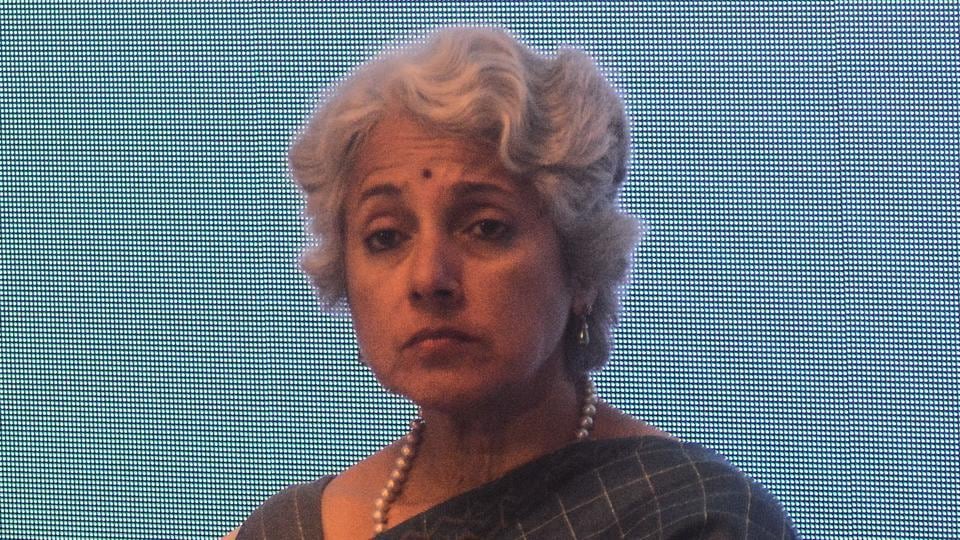
Speaking at a press meet at the inaugural function of Developing Countries Vaccine Manufacturers Network’s (DCVMN) 23rd annual general body in the city, Dr Swaminathan said, “Vaccines have saved over 21 million lives globally in 2021. For every one-year growth in life expectancy, the country gains 1 per cent of GDP growth. A recent report by W.H.O. and UNICEF showed that about 25 million children were unimmunised in 2021 due to the pandemic. Whereas in 2019, the number was just 19 million children. Unfortunately, the pandemic has disrupted routine immunisation which has caused an increase in infections such as measles, and more recently cholera.”
She said the infections were early detected because of better surveillance.
“We were able to pick up diseases like cholera and measles globally because of good immunisation. That is the way forward. In case of polio outbreaks reported globally, there are vaccine-deprived pockets where infections have resurfaced due to lack of routine immunisation. There are a few districts in Pakistan and Afghanistan where vaccine-derived polio is reported. There are also children who are unimmunised from different parts of the globe where there is conflict,” said Dr Swaminathan.
She said there is also a lot of vaccine misinformation on social media which has increased vaccine hesitancy.
“Vaccine misinformation should be addressed by the government and authorities. In case of vaccines, the benefits outweigh the risks involved. There are rare cases where we see side-effects in case of Covid vaccines. But we should not forget that Covid itself causes such effects that are 10 times more severe. The benefits outweigh the risk,” she said.


