
 E-Paper



Install first, seek permission later: Statue disputes pose law and order test
Most statues depict Chhatrapati Shivaji Maharaj and Chhatrapati Sambhaji Maharaj, figures with deep emotional and cultural significance. Even routine enforcement in such cases can escalate quickly.

 Prefer HTon Google


PUNE: A growing trend across Maharashtra has seen statues of revered historical figures erected first, with permissions sought afterwards, putting local administrations in a difficult position and often triggering law and order issues.
Most statues depict Chhatrapati Shivaji Maharaj and Chhatrapati Sambhaji Maharaj, figures with deep emotional and cultural significance. Even routine enforcement in such cases can escalate quickly.
Last week in Mohol, an unauthorised statue of Sambhaji Maharaj appeared on land belonging to the National Highways Authority of India. Police said no civic or police approvals were obtained. When officials moved to act, supporters resisted removal, citing historical importance. Authorities stressed that highway land cannot host permanent structures but acknowledged that taking action risks public backlash.
A similar case in Chikhla involved a statue of Shivaji Maharaj installed on Anganwadi premises without formal clearance. The revenue administration ordered its removal, but tensions flared between rival groups. Police registered cases against over 40 people and arrested 23 following clashes.
In Hingoli, police filed two FIRs against 44 individuals after a statue was illegally installed in Hatta despite prohibitory orders. Officers reported that the crowd obstructed their duties and abused personnel.
Earlier incidents include Shirur (October 2024), Belagavi (January 2025), and Navi Mumbai (November 2025), where Shivaji Maharaj statues were inaugurated without municipal approval. An FIR was later filed against Amit Thackeray and party workers.
Officials note that installing a public statue requires multiple approvals, including from the local civic body or gram panchayat, a police no-objection certificate, land ownership clearance, and structural safety approval. These measures prevent traffic disruption, safety hazards, and land disputes, but are increasingly bypassed.
“When a statue is installed without permission, we face a dilemma. Immediate removal can hurt public sentiment, but allowing it to remain sets a dangerous precedent,” said an official.
Police responses range from booking individuals for unlawful assembly to negotiating with community leaders. Security has been stepped up in several towns, with barricades and additional personnel deployed to prevent protests.
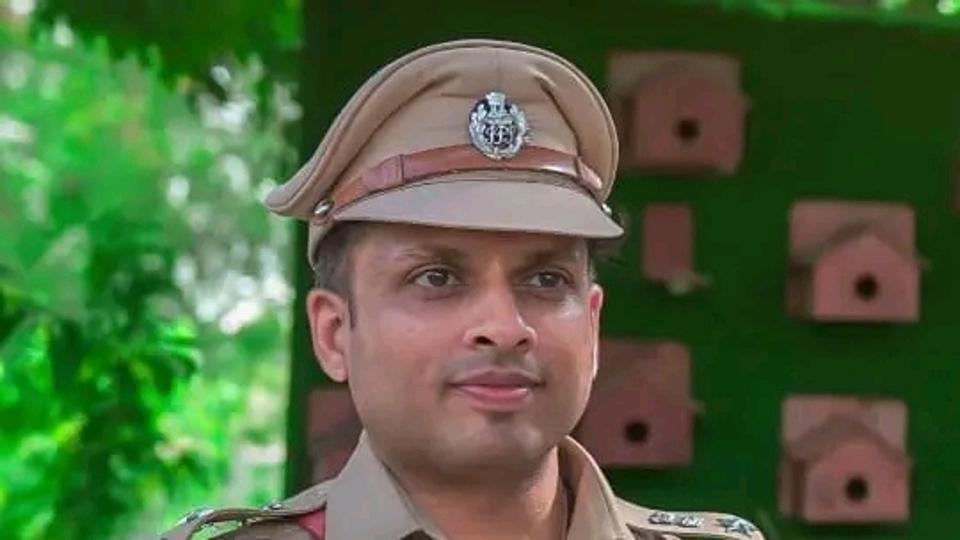
Atul Kulkarni, superintendent of police (Solapur Rural), told Hindustan Times: “These incidents not only create law and order challenges but can also disturb communal harmony.”
Retired IPS officer and former Maharashtra DGP Praveen Dixit said government guidelines require prior permission from the district collector. “When approvals seem difficult, some people install statues at night,” he said, noting that committees vet applications and assess potential law and order risks. “If permission is denied, midnight installations are sometimes timed around assembly sessions to draw attention.”
Senior historian Pandurang Balkawade, secretary of the Bharat Itihas Sanshodhak Mandal, highlighted guidelines on statue aesthetics. “Age, expressions, attire, weapons, and the historical moment depicted must be accurate. Artists may lack this knowledge, which is why committees of historians review proposals,” he said.
Authorities across Maharashtra are now monitoring installations more closely, balancing public sentiment with the need to enforce the law.


