
 E-Paper



Maharashtra to bring all govt offices under solar power by December 2025: Fadnavis
The plan is to implement the state’s solar policy in alignment with the Suryaghar Yojana. It involves bringing all domestic consumers using up to 100 units of electricity under solar energy in the first phase, and those using up to 300 units in the second, he said


Chief minister Devendra Fadnavis said all government offices in Maharashtra will switch to solar power by December 2025. He also said the state would effectively implement the Pradhanmantri Suryaghar Yojana, which aims to promote solar energy use in households.
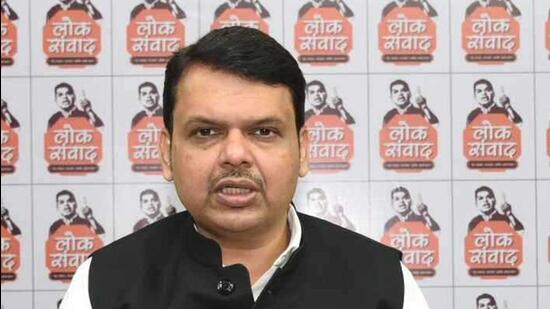
He spoke at the inauguration of Mahaurja’s new administrative building in Pune on Sunday.
Fadnavis outlined two key goals for Mahaurja in the coming period. “The first is to accelerate the adoption of solar energy across all government offices. The second is to implement the state’s solar policy in alignment with the Suryaghar Yojana. The plan involves bringing all domestic consumers using up to 100 units of electricity under solar energy in the first phase, and those using up to 300 units in the second. The goal is to reduce their electricity bills to zero,” he said.
Over the last two years, 400,000 solar-powered agricultural pumps were installed across the country, Maharashtra alone installed 500,000. By 2026, the state aims to convert 16,000 megawatts of agricultural feeder capacity to solar under the Mukhyamantri Saur Krishi Vahini Yojana.
“Work on this is progressing rapidly and this is Asia’s largest decentralized solar project, “ Fadnavis added.
The state is also leading in the implementation of the Kusum scheme, which supports farmers in setting up solar-powered irrigation. “By December 2026, we aim to meet the entire electricity demand of the agricultural sector through solar power,” said Fadnavis.


