E-Paper



Maharashtra to build ecosystem for quantum computing, deep tech
Through MITRA, Maharashtra will launch a programme to train quantum computing instructors, with a target of training at least 5,000 people over the next two to three years

 Prefer HTon Google


Stressing that quantum computing and deep technologies are set to transform industries worldwide, chief minister Devendra Fadnavis said Maharashtra must build a strong and inclusive ecosystem to adapt to these emerging technologies and position itself as a global manufacturing hub.
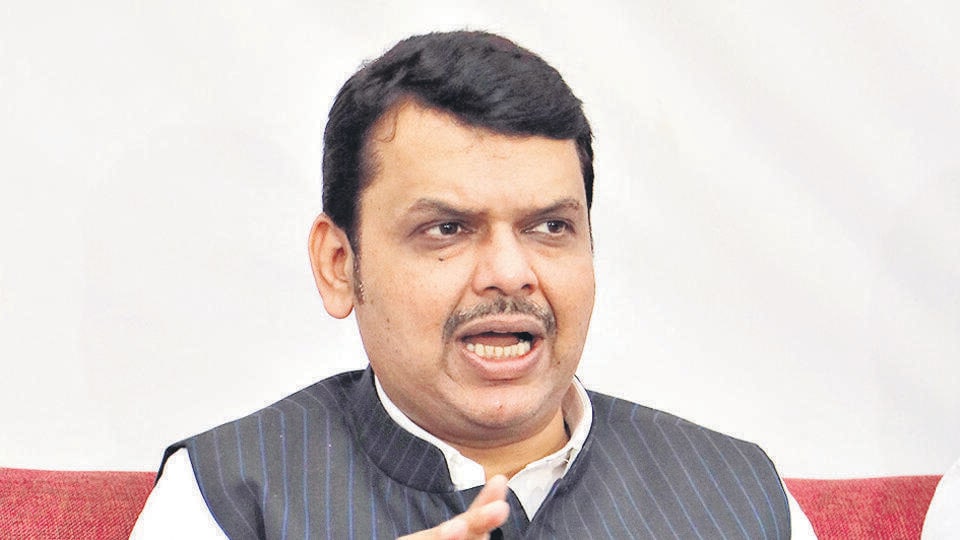
He was speaking at an interaction on the formation of the Global Manufacturing Hub and Frontier Tech Institute held at Savitribai Phule Pune University (SPPU) on Saturday.
Fadnavis said the global market for quantum computing and deep technologies was valued at around $2-3 trillion in 2024 and is projected to grow to nearly $16 trillion over the next five years, making it one of the fastest-growing technological revolutions in human history.
“India cannot afford to remain a spectator. We must become an active participant in this transformation by creating a robust and comprehensive ecosystem that supports research, innovation, manufacturing and skill development,” he said.
Fadnavis noted that although India currently ranks 36th in the United Nations’ Frontier Technology Index, it is among the countries performing better than expected.
Describing artificial intelligence (AI), silicon technologies and quantum computing as transformative technologies that will reshape every sector of the economy, Fadnavis said Maharashtra must prepare industries, particularly micro, small and medium enterprises (MSMEs), to adopt these technologies. He pointed out that many MSMEs lack adequate funding, technical capabilities and skilled manpower to leverage advanced technologies, underscoring the need to develop accessible smart platforms, common facilities and a trained workforce.
To establish Maharashtra as a global manufacturing hub, the state requires a dedicated institution focused on frontier technologies, he said.
Fadnavis added that the Centre has already launched several initiatives in quantum computing, and Maharashtra’s efforts should remain aligned with these national programmes.
The state government is prepared to invest in creating new digital platforms and infrastructure required for the sector. Through MITRA, Maharashtra will launch a programme to train quantum computing instructors, with a target of training at least 5,000 people over the next two to three years.
He said the initiative would help consolidate scattered efforts under a common institutional framework. Fadnavis also said the state’s proposed Innovation City in Mumbai, being developed in partnership with the Tata Group, is currently in the planning stage. As the proposed Frontier Tech Institute and Innovation City complement each other, both projects can be developed in coordination, he added.
Experts from academia, industry and the defence sector also discussed opportunities in quantum computing, research, manufacturing, industrial applications and skill development during the programme.