
 E-Paper



Maratha families choose simplicity over extravagance in weddings
The code—drawn up during recent community meetings—urges families to shun dowry, cut down on wedding extravagance, and discourage practices like pre-wedding shoots, firecrackers, and loud music

 Prefer HTon Google


PUNE: Weeks after a tragic, dowry-related suicide jolted the Maratha community, families across western Maharashtra have begun altering wedding plans to align with a newly framed code of conduct aimed at promoting simplicity, equality, and accountability in matrimonial practices.
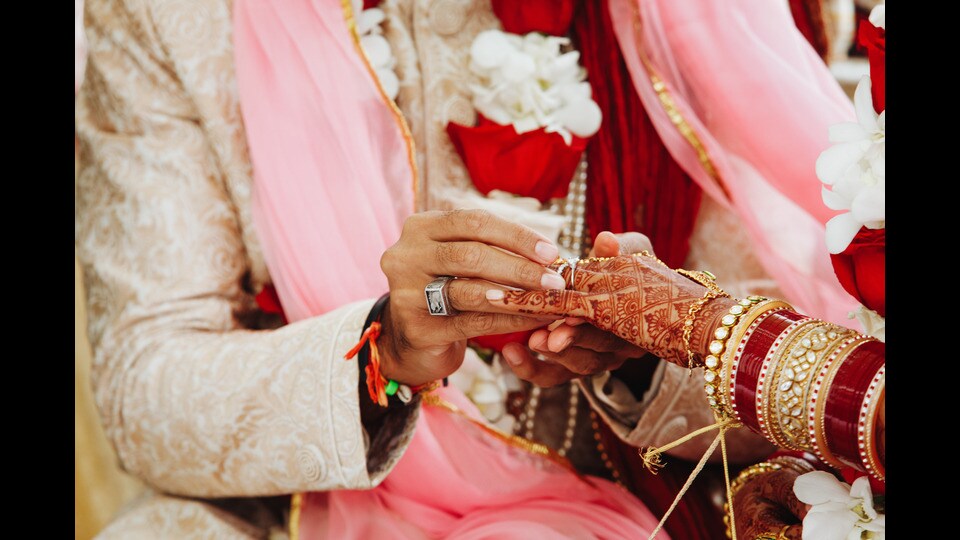
The code—drawn up during recent community meetings—urges families to shun dowry, cut down on wedding extravagance, and discourage practices like pre-wedding shoots, firecrackers, and loud music. More importantly, it mandates social boycotts for families found guilty of domestic violence or harassment post-marriage.
And while the code was formalised just days ago, its effects are already visible.
Madhuri Patil from Hadapsar said, “We had booked a resort, hired a DJ, and planned a guest list of over 3,000 people. But my husband and I sat down with our daughter and decided to scrap the pomp. We invited 500 close relatives instead and used the saved money to pay for her Master’s degree.”
Similar sentiments were echoed by Sopanrao Khutwad from Katraj. “My son’s wedding was meant to be grand—dhol, lights, fireworks. We called it off. We are now holding a simple ceremony at a local hall and putting the saved funds into a fixed deposit for the couple. Peace in marriage is more important than show.”
This shift comes in the aftermath of Vaishnavi Hagavane’s suicide, which triggered outrage and forced introspection among the Maratha community. The 22-year-old allegedly ended her life due to sustained dowry harassment. Her death prompted senior members of the Maratha community—including politicians, police officers, lawyers, and activists—to come together to draft the code and form pressure groups at the division level.
These groups have been tasked not only with dispute resolution but also with monitoring adherence to the code. “We are no longer treating such cases as private matters. The idea is to prevent abuse before it begins—by promoting transparency, accountability, and mutual respect in marriages,” said Shrikant Shirole, a senior community leader.
Young couples, too, are choosing simplicity over extravagance. Rohit Shelke, 28, who got married in a simple ceremony last week, recalled, “We agreed early on: no dowry, no gold chains, no pre-wedding shoot. Instead, we opened a joint savings account and enrolled in a financial planning course. The focus is on building a life, not staging a spectacle.”
The code also encourages group weddings, equal sharing of expenses between the families of the groom and bride, and mandatory background checks before marriage alliances are finalised. Importantly, it promotes continued education for both boys and girls—framing it not just as a right, but a prerequisite for a respectful married life.
As several families take early steps to implement the code, the community hopes the shift will lead to lasting change—not just in wedding rituals, but in the culture surrounding them.


