
 E-Paper



Mental hospital to act against families unwilling to take back recovered patients
District Legal Services Authority and Mental Health Review Board of Regional Mental Hospital in Yerawada have decided to take strong legal steps to reunite long-stay patients with their families

 Prefer HTon Google


PUNE: In a first-of-its-kind initiative, the District Legal Services Authority (DLSA) and Mental Health Review Board (MHRB) of the Regional Mental Hospital (RMH) in Yerawada have decided to take strong legal steps to reunite long-stay patients with their families, especially in cases where the families are unwilling to accept them despite benefitting from their income and property, officials said.
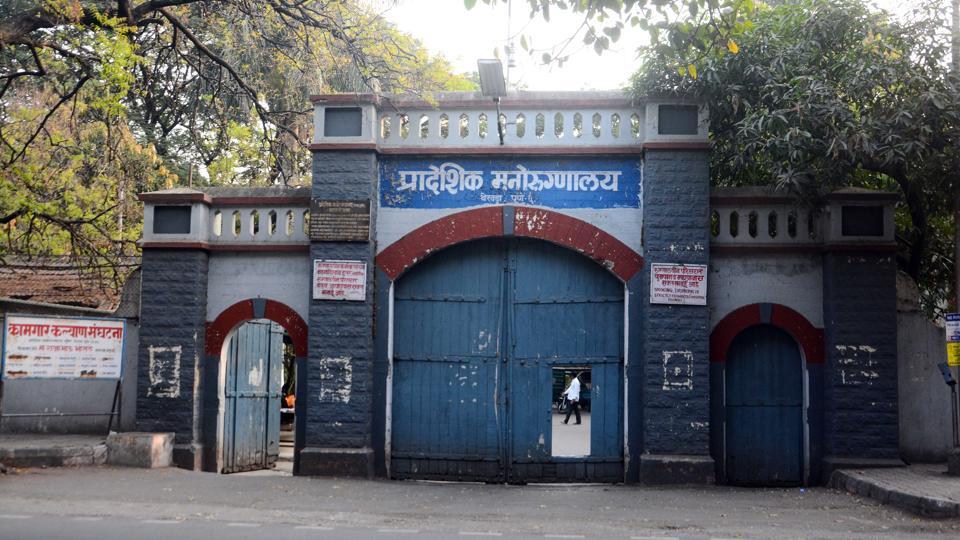
According to RMH officials, the hospital has as many as 40 long-stay patients — 25 female and 15 male — who have recovered significantly, and are stable and fit to return to their homes but continue to remain in the hospital. In all these cases, the families were contacted by the hospital and even the police were involved. However, when the authorities tried to send the patients back to their respective families, the latter refused outright to take them back. Worse still, all these patients have their own properties, bank accounts, and even pensions and in many cases, the families continue to enjoy the benefits from these while leaving the patients in institutional care—often for years at a stretch.
Dr Shrinivas Kolad, medical superintendent of RMH, said that the decision has been taken by the DLSA and MHRB of the hospital and that though it might look like arm-twisting, it is in the patients’ interest. “All 40 patients are in the hospital for anywhere between one to over five years. It is not just about enforcing laws but also about ensuring dignity and a better quality of life for them. Stable patients tend to do well with family and the chance of relapse remains minimal,” Dr Kolad said.
A senior psychiatrist involved in the rehabilitation efforts said, “Most of these patients have shown good recovery. They are not a danger to themselves or others. Keeping them in mental health facilities unnecessarily is a violation of their rights.”
A member of MHRB on condition of anonymity said, “We will ask the families to take their relatives back. If the families fail to do so, they may lose the right to access any financial or property-related benefits of the patients unless they take them back. A notice regarding the same will be issued to the respective families. Besides, a letter will be given to the bank/s and IGRS.”
Dr Kolod further said, “We are also planning awareness sessions and legal aid camps to help the families understand their responsibilities and offer support for home-based care. Action will be taken against those who deliberately abandon their relatives while enjoying the financial benefits associated with them. We are ready to help and support the families in every way. But abandonment cannot be an option.”
Meanwhile, all four mental hospitals in Maharashtra (Thane, Pune, Nagpur and Ratnagiri) are plagued with similar problems namely long-stay patients whose families are unwilling to take them back. In 50% of the cases, the patients are reunited with their families only after police intervention. Although a large number of patients still await acceptance from their own family members which is why the latest decision has been taken, RMH officials said. Seen as a path-breaking step towards protecting the rights of persons with mental illness and holding their families accountable, the initiative could set a precedent for similar cases across Maharashtra.


