
 E-Paper



New initiative at Tamhini to boost conservation
The Maharashtra forest department (wildlife), Microsoft, and the Centre for Youth Development and Activities (CYDA) launched a year-long dedicated eco-restoration project on June 2, said officials


The Tamhini Wildlife Sanctuary, a biodiversity hotspot in Maharashtra’s Western Ghats, is set to significantly boost conservation and sustainable development through a new initiative titled “Biodiversity and Eco-protection in Plus Valley, Tamhini Wildlife Sanctuary.”
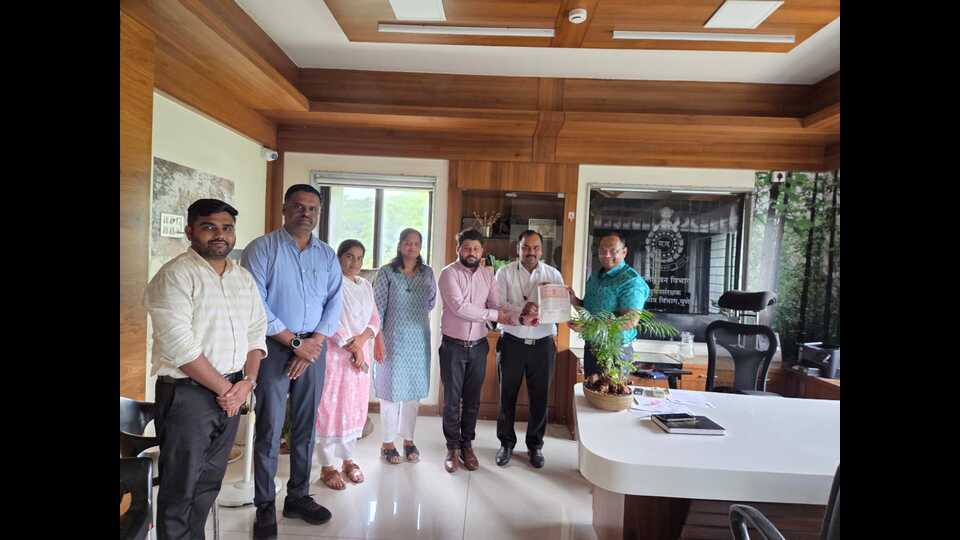
The Maharashtra forest department (wildlife), Microsoft, and the Centre for Youth Development and Activities (CYDA) launched a year-long dedicated eco-restoration project on June 2, said officials.
“The initiative reflects a long-term vision for participatory conservation and nature-based climate action,” said Tushar Chavan, deputy conservator of forests (wildlife), Pune forest department.
“By aligning with the United Nations Sustainable Development Goals—specifically SDG 13 (Climate Action) and SDG 15 (Life on Land)—the project ensures that Tamhini Wildlife Sanctuary continues to thrive as a vital ecological corridor. Regular monitoring and transparent reporting will support impact assessment and help replicate the model in other conservation areas,” said a senior official from the forest department requesting anonymity.
The initiative brings direct benefits to the sanctuary by focusing on ecological protection, improved infrastructure, and responsible tourism. It includes the installation of solar-powered lighting systems that reduce carbon impact and support sustainable energy use. Protective gates and ecological signage will help manage human access and reduce disturbance to wildlife habitats.
To tackle the growing issue of plastic pollution, the project introduces waste management systems with dustbins and bottle crushers strategically placed across the area. Water conservation efforts are also a key component, with the construction of bunds and gabion structures aimed at preserving groundwater levels and enhancing the natural landscape.
In addition, the project provides basic amenities such as drinking water points and sanitation facilities, which will benefit both tourists and forest personnel while promoting cleaner, more sustainable visitation practices, said officials.
“Involving local communities and visitors in ecological stewardship is essential,” emphasized Pravin Jadhav, executive director of CYDA.
“Microsoft remains committed to environmental responsibility and creating community-driven impact,” stated Srichandana Nagoji, community affairs lead – India & KUL, Microsoft.


