
 E-Paper



Over 3.17 lakh patients awaiting organ transplants in country, over a lakh just for kidneys
Of the patients who are waiting, only 3.25% receive the organ transplants even as the rest are most likely to die due to non-receipt of organs or continue to suffer

 Prefer HTon Google


As many as 3.17 lakh patients are waiting for a kidney, liver, heart, lung or pancreas transplant in the country as per the data released by the Indian Society of Organ Transplants (ISOT). Of the 3.17 lakh, nearly 1.75 lakh or 55% of the patients are waiting for a kidney transplant. Of the patients who are waiting, only 3.25% receive the organ transplants even as the rest are most likely to die due to non-receipt of organs or continue to suffer.
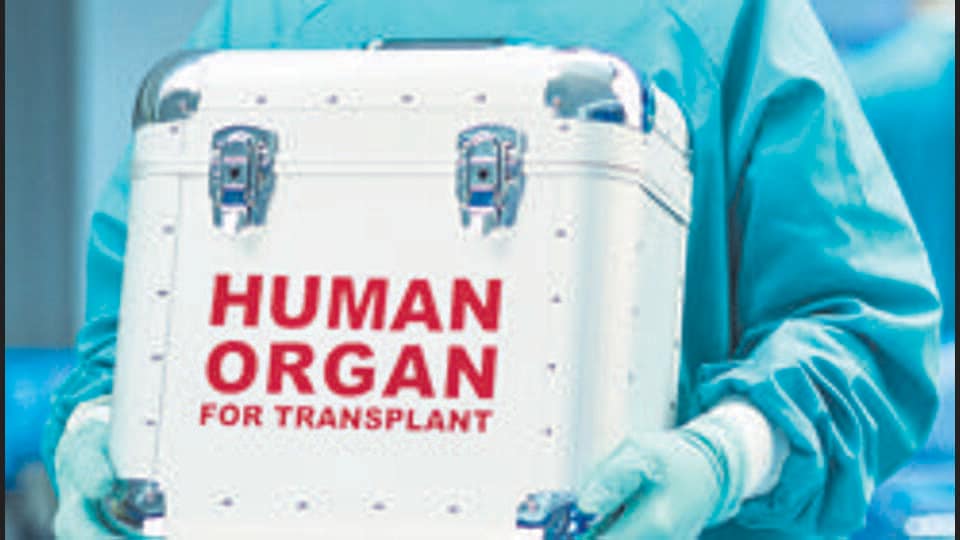
Both live donors and brain dead donors donate organs however the proportion of live donors in the country is 80% while that of brain dead donors is 20%, as per data provided by the ISOT. A majority of kidney and liver donations are through live donors whereas heart, lung and pancreas donations take place through brain dead donors. As per the Global Observatory on Donation and Transplantation (GODT), which is a global organisation that coordinates organ donation and transplantation, most transplants are carried out in private hospitals. As per the data provided by ISOT, over 61,000 transplants have been reported in the country in the last seven years.
Between 2013 and 2019, 61,821 organs were transplanted across the country. Of these, as many as 48,064 organs were kidneys. Of the 48,064 kidney transplants, 41,197 kidneys were donated by live donors while the remaining 6,866 kidneys were donated by brain dead donors. Further, of the 61,821 organ transplants, 11,971 were liver transplants. Of the 11,971, 8,405 were live donors while 3,566 were brain dead donors. Whereas there were 1,082 heart transplants; 573 lung transplants; 100 pancreatic transplants; and eight intestinal transplants out of the 61,821 organ transplants.
The alleged kidney racket in the city has once again brought to the fore the shortage of supply of organs despite the high number of brain dead people in the country, which in turn has led to such illegal activities. The demand for organ transplants has increased due to multiple reasons including a changing lifestyle, organ failure and organ-related diseases. Among the organs in demand, kidneys are the most sought after as kidney failure is very common.
Dr Vivek Kute, secretary, ISOT, said, “At present, a total 317,500 patients are waiting for organ transplants in the country. About 10% of these get organs every year even as 90% of patients die due to non-receipt of organs. Therefore, the organ transplant process needs to be simplified and organ donation needs to increase.”
Dr Sanjay Patil, chairperson of the hospital board IMA, Pune chapter, said, “We need to think about why we as a country need to import eyeballs from Sri Lanka which has a much smaller population. The lack of will to donate the organs of brain dead relatives is the primary reason why most people who could live a regular life are not able to do so and also why such illicit activities are taking place. As a society, we must work to ensure that people are made more aware of organ donation and the government must also bring in measures to ensure that organ donation through brain dead patients rises.”


