
 E-Paper



PCMC, housing societies lock horns over defunct STPs
The federation, in a letter to PCMC on Saturday, requested the civic body to halt the action. They claimed that societies with STPs are receiving just 90 litres per capita per day (LPCD) of water, compared to 135 LPCD supplied to those without STPs

 Prefer HTon Google


A major conflict is brewing between the Pimpri Chinchwad Municipal Corporation (PCMC) and several housing societies over non-functional sewage treatment plants (STPs). The civic body has announced to disconnect water supply to 184 housing societies that have failed to operate their STPs, despite repeated notices and warnings, from June 1. Claiming the decision as unjust, residents have decided to hold a protest if such an action is taken.
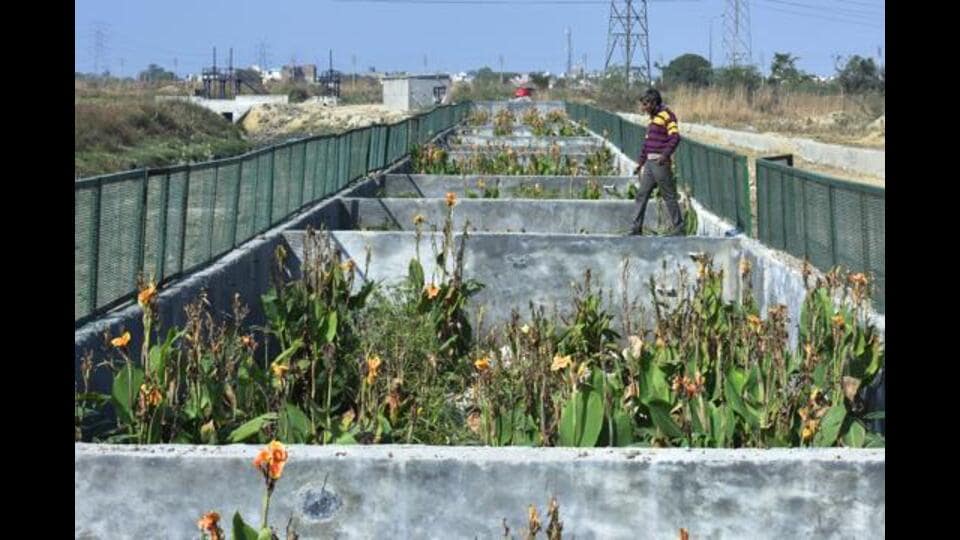
According to the civic officials, the societies were granted environmental clearance on the condition that their STPs would remain functional. The facility is mandatory for residential buildings with a built-up area of over 2 lakh sq ft and are required to treat sewage and reuse the water for non-drinking purposes such as gardening, flushing, and irrigation.
Sanjay Kulkarni, city engineer, PCMC, said, “Of the 456 societies surveyed, 264 have working STPs, while 184 have failed to comply despite sending three notices. Some societies even denied entry to our inspection teams. We are firm on our decision.”
The housing societies, under the banner of Chikhali-Moshi Pimpri-Chinchwad Housing Societies Federation (CMPCHSF), have strongly opposed the decision. The federation, in a letter to PCMC on Saturday, requested the civic body to halt the action. They claimed that societies with STPs are receiving just 90 litres per capita per day (LPCD) of water, compared to 135 LPCD supplied to those without STPs.
“Many societies are forced to rely on expensive private water tankers to meet their daily needs,” said Sanjeevan Sangle, president, CMPCHSF. “Water is a basic necessity and a fundamental right of every citizen. If PCMC stops water supply, we will be forced to hold a mass protest.”
The federation also alleged that in many cases, the original developers had installed poor-quality STPs, which now require heavy expenditure to repair or replace, and the civic authorities should take action against builders.
Kulkarni said, “Environmental clearance was granted with clear conditions. These societies are bound by law to maintain functional STPs. Non-compliance affects the city’s overall water recycling efforts.”


