
 E-Paper



PCMC to stop collecting wet garbage from hsg soc generating over 100kg waste
The Pimpri-Chinchwad Municipal Corporation (PCMC) has decided to stop collecting wet garbage from housing societies which generate more than 100 kg of waste daily

 Prefer HTon Google


The Pimpri-Chinchwad Municipal Corporation (PCMC) has decided to stop collecting wet garbage from housing societies which generate more than 100 kg of waste daily. Such societies will now have to find alternate ways to process and dispose their wet garbage within the society premises.
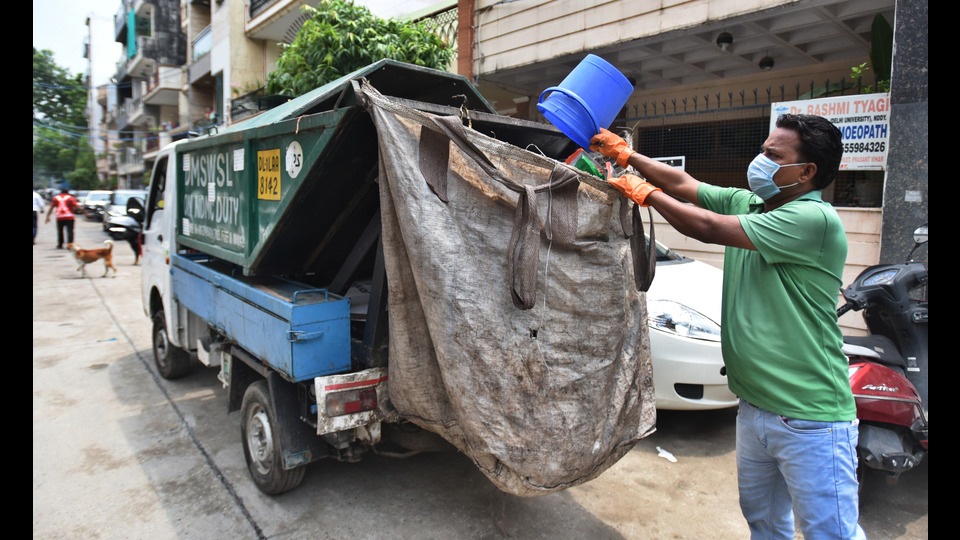
Ganesh Deshpande, deputy officer of health, PCMC, said, “Our commissioner has given October 2 as the last date after which the PCMC will stop picking the wet garbage from them. According to the Solid Waste Management Rules 2016, they are supposed to dispose their bulk wet waste on their own. We have been sending them notices regarding the same, with the last one having been sent last month. Currently, the system is that the wet waste that is picked up goes directly to our landfill at Moshi. Now, big societies will have to find their own ways of disposal. To help them with that, we are also organising an awareness programme next month. They will be briefed about third parties that do the work of generating compost from wet waste and carry out other methods to solve the problem.”
K C Garg, founding member and ex-secretary, Pimpri-Chinchwad Cooperative Housing Society Federation, said that the PCMC carries out the work of garbage disposal half-heartedly. “There are two parts to this problem. First, societies do not have the land to set up disposal or processing of garbage on their own. When they were built, the municipality had sanctioned them even without the space for garbage management. Second, setting up and maintaining the infrastructure for the same is expensive. The government has to help societies financially and also with the technical aspects,” Garg said.
According to residents, initially when societies were converting their wet waste to compost, there were buyers for the same and they made money that way. “But now, there are too many societies doing the same thing, rendering it difficult to make money. So, the best way of going forward is if the garbage is sorted into hazardous waste, dry waste, e-waste, degradable kitchen waste, etc. at the household level and later treated and disposed at the municipality level. It is also important to make it mandatory for builders to find space for garbage handling in all their new projects,” said Garg.
Earlier in 2019, the PCMC had attempted to issue a similar diktat and slapped fines on housing societies who failed to comply. The PCMC had even collected Rs5,000 in fine from each housing society for its failure to set up a garbage processing unit on the society premises.
The PCMC collects more than 850 metric tonne of garbage every day from the twin town. The garbage is processed at the Moshi depot, where dry and wet waste is segregated and converted into mechanical and vermin-composting.
“I appeal to the municipality to send a team to Indore, to study their garbage disposal system which is the best in the country. They even generate power through the garbage that is collected. I recommend that the PCMC follows suit and implements something similar here, making sure of 100% inclusivity at the household level. A lot of campaigning and awareness has to be carried out towards this cause,” said Garg.


