
 E-Paper



PMC cracks down on bulk waste generators failing to process wet waste
PMC records show over 1,942 BWGs in the city, most of them housing societies, that fail to treat wet waste at source


The Pune Municipal Corporation (PMC) has initiated a citywide survey of bulk waste generators (BWGs) and warned that strict action will be taken against those failing to process wet waste at the source, officials said on Saturday.
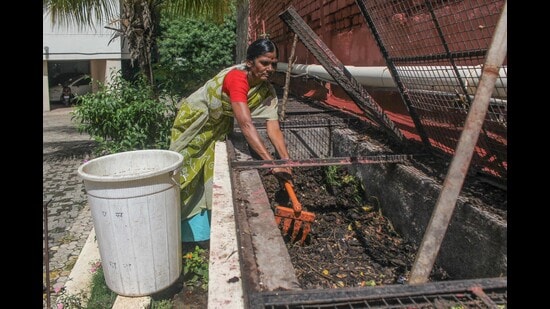
Additional municipal commissioner Pavneet Kaur conducted an online review on Tuesday with Solid Waste Management (SWM) officials and health inspectors from all wards to assess how BWGs are handling biodegradable waste. Following the meeting, she directed officers to prioritise stringent monitoring of establishments producing large quantities of wet waste.
Under the Solid Waste Management Rules, 2016, effectively enforced from December 19, 2018, BWGs, including housing societies and commercial establishments generating over 100 kg of waste daily, must treat wet waste at the site. Approved methods include composting, vermicomposting, biomethanation, or other suitable technologies, PMC officials said.
PMC records show over 1,942 BWGs in the city, most of them housing societies, that fail to treat wet waste at source. Collectively, these generators should process more than 20 tonnes of waste daily. Some are even availing a 5% property tax rebate despite non-compliance, officials added.
Kaur directed sanitary inspectors to conduct regular visits, survey new properties, and prepare detailed reports on the measures BWGs have adopted to manage wet waste.
“To support on-site waste management, the PMC has empanelled 17 private agencies. Their representatives will provide technical guidance to help bulk generators comply with regulations,” Kaur said.
Avinash Sapkal, head of PMC’s SWM department, said the team has been instructed to immediately identify non-compliant BWGs and take action. Reports will be submitted, followed by a review in 15 days.
“The aim is to implement the rule, not just to penalise,” he added.
Sapkal reiterated that individuals in housing societies and commercial establishments generating over 100 kg of waste daily must segregate wet and dry waste.
“Bulk waste generators, whether residential or commercial, are responsible for treating wet waste at their level,” he said.


