
 E-Paper



PMC, IITM to form joint working group to tackle air pollution
Municipal commissioner announced the formation of the working group which will focus on identifying major pollution sources, analysing area-specific data, and preparing a scientific and time-bound action plan to curb air pollution in the city.

 Prefer HTon Google


PUNE: With air pollution consistently touching alarming levels in several parts of the city, the Pune Municipal Corporation (PMC) on Thursday, February 12, announced the formation of a joint working group and a dedicated action team in collaboration with the Indian Institute of Tropical Meteorology (IITM) to address the issue. The decision was taken following a workshop on ‘Urban environmental challenges in Pune and the way ahead’ attended by senior PMC officials and scientists from IITM. Municipal commissioner Naval Kishor Ram and IITM director Suryachandra Rao were present at the workshop.
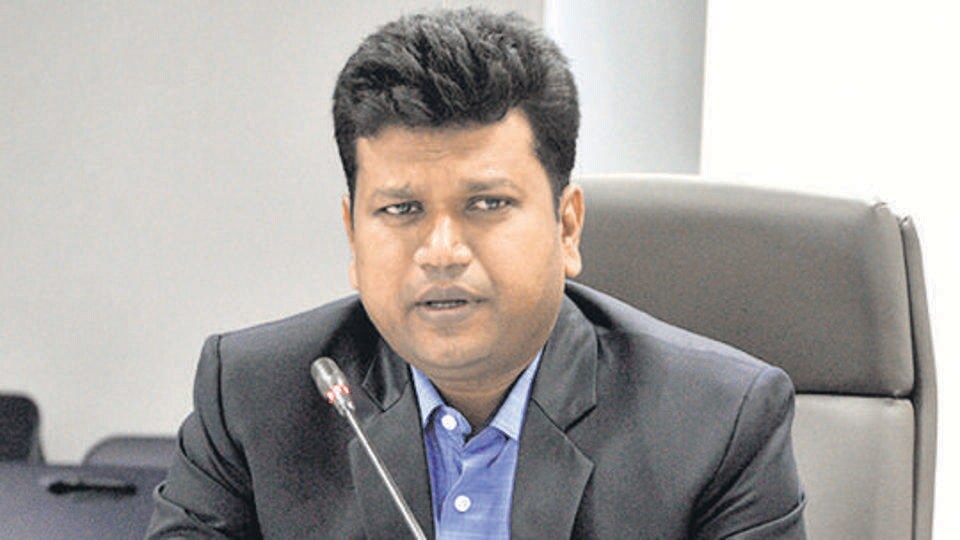
Interacting with the media, Ram announced the formation of the working group which will focus on identifying major pollution sources, analysing area-specific data, and preparing a scientific and time-bound action plan to curb air pollution in the city. Apart from PMC officials, the working group will include scientists, representatives from NGOs, housing societies, and education experts. A comprehensive action plan will be prepared and implemented in a phased manner over three, six, and 12 months.
Ram told Hindustan Times that air pollution is currently being assessed in broad terms, but there is a need for a more detailed and decentralised approach. “Air pollution levels as of now are being looked at in very broad terms. However, we need to understand the issue in greater detail and in a decentralised manner. Pune is fortunate to have an institution like IITM which has domain expertise and continuously monitors air quality data. By utilising their expertise, we are planning to prepare an action plan to address area-specific factors contributing to higher pollution levels,” Ram said. He further stated that IITM scientists have been asked to prepare a comprehensive report identifying key pollutants, their sources, and the necessary corrective measures in areas recording high pollution levels. “We are ready to provide all required assistance to them (IITM scientists). If necessary, we will also expand the number of air quality monitoring stations across the city,” Ram said.
On Thursday, Pune’s overall air quality index (AQI) stood at 138, falling under the ‘moderate’ category as per Central Pollution Control Board (CPCB) standards. However, Hadapsar recorded an AQI of 213, placing it in the ‘poor’ category. MHADA Colony in Lohegaon and Revenue Colony in Shivajinagar recorded AQI levels of 169 and 145, respectively — both within the ‘moderate’ range but on the higher side.
Pune’s overall air quality remains in the ‘moderate’ category for most of the year. However, certain areas frequently record higher pollution levels. These locations are largely major traffic junctions or zones that witness intense construction activity. Areas such as Shivajinagar, Hadapsar, Lohegaon and Katraj often report elevated pollution levels.
Experts have noted that even though Pune’s air quality largely remains in the moderate category, prolonged exposure to such pollution levels can pose serious health risks. They have also pointed out that certain pockets of the city experience significant spikes in pollution levels. Identifying the specific causes behind these spikes and implementing a strong, targeted action plan is essential to improve overall air quality.


