
 E-Paper



PMC mulling extending priority zones beyond schools to include govt., private offices
Officials said that the PMC main office, central building and collector’s office may be considered as priority zones. Similarly, Kharadi IT Park, Magarpatta, Phursungi IT offices and Yerawada IT Park may be considered priority zones

 Prefer HTon Google


PUNE: After introducing ‘priority zones’ around schools to ensure the children’s safety during their daily commute to and from these educational institutions apart from promoting the use of public transport, easing traffic congestion and reducing air pollution, the Pune Municipal Corporation (PMC) is considering extending the concept to include government and private establishments in the city.
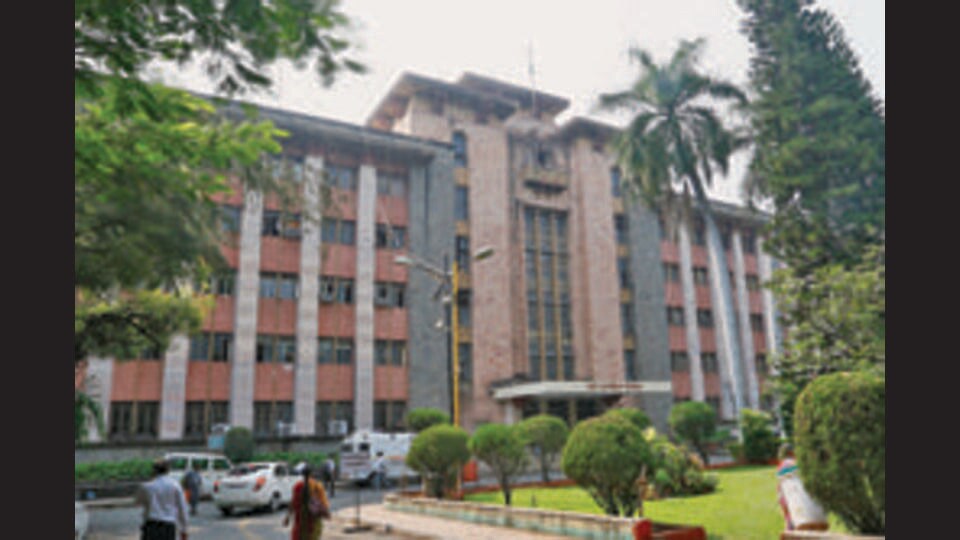
Nikhil Mijar, traffic planner of the PMC, said, “The PMC will scrutinise the feasibility of this pioneering extension, and consider accessibility and public transport connectivity. We will first try to introduce a priority zone around the PMC main office at Shivajinagar. At present, a majority of the employees are using private vehicles to travel to and from the office. We are checking the possibility of introducing a special bus service for employees to avoid use of personal vehicles or any other mode of mass transport.”
Officials said that the PMC main office, central building and collector’s office may be considered as priority zones. Similarly, Kharadi IT Park, Magarpatta, Phursungi IT offices and Yerawada IT Park may be considered priority zones. Like the Hinjewadi Industries Association which has a special bus service for its employees, the same might be implemented in the IT areas of Kharadi, Magarpatta and Yerawada. Private companies might be requested to tweak their office timings to enable employees travel in batches to avoid traffic congestion.
Mijar said, “We are checking the feasibility of an e-bus feeder service for these private office zones. However, we have to conduct a travel demand management (TDM) study which includes office timings, number of employees, number of private vehicles used, traffic situation during peak hours in the concerned areas etc. We will have to speak to both the government and private establishments and consider their views.”
Building on the recently introduced ‘school priority zones’, the PMC is focusing on identifying priority zones for government and private establishments so as to encourage a shift from the usage of private vehicles to a more sustainable and eco-friendly reliance on public transport. The step not only aims to decongest city roads and ease traffic bottlenecks but also reduce air pollution and provide safe travel options. By expanding priority zones beyond the educational ambit, the PMC aims to transform the urban landscape by making efficient and eco-conscious commuting a norm rather than an exception.


