
 E-Paper



Porsche accident impact: JJB sending juveniles to observation homes instead of granting bail
Previously, it was common for juveniles involved in criminal cases to receive bail relatively easily

 Prefer HTon Google


An important fallout of the Porsche accident is the shift in the Juvenile Justice Board’s (JJB’s) handling of criminal cases pertaining to juveniles. The JJB is increasingly sending juveniles involved in criminal cases to correctional (observation) homes instead of granting bail, according to legal experts and advocates.
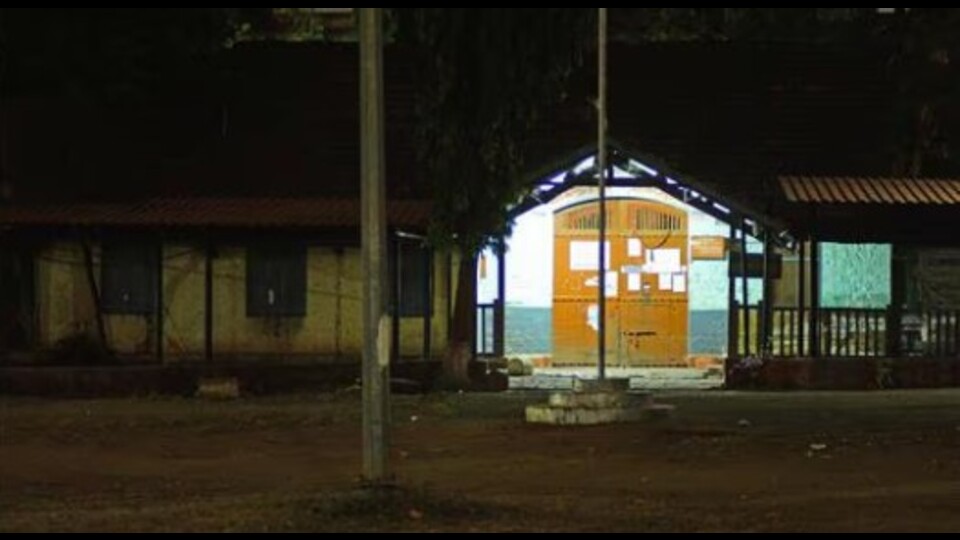
Previously, it was common for juveniles involved in criminal cases to receive bail relatively easily. Following the Porsche accident however, there has been a marked increase in juveniles involved in criminal cases being sent to correctional homes instead. The shift appears to be influenced by the Porsche accident which drew considerable public attention after the JJB initially granted bail to the juvenile involved only to cancel the same later.
Practising lawyer Mahesh Sakhare, who handles juvenile cases in the JJB, said, “There is a change in trend observed after the Porsche accident. Now, the JJB is directly sending most of the juveniles to correctional homes for 14 days. Earlier, this was not the case. In most cases, juveniles were granted bail. It seems that after the Porsche incident, JJB members are choosing a safer route to avoid any backlash.”
Sakhare highlighted a case of an alleged attack involving a 16-year-old minor at Hadapsar police station where the juvenile was sent for 14 days’ custody to a correctional home without much deliberation despite it being a routine confrontation between two individuals. In another incident, a 15-year-old driving a tanker collided with a scooter in Kondhwa, injuring two people on June 30. In this case, the juvenile was sent to a correctional home for 14 days by the JJB.
Lawyer Ketan Kadam noted that earlier decisions to send juveniles to correctional homes for 14 days were based on the merits of the case, the severity of the crime, and the juvenile’s involvement. Kadam explained that juveniles were typically released on bail as the JJB operates under welfare legislation. “After the Porsche accident, there was public outcry against the JJB members for granting immediate bail to the juvenile, who was only asked to write an essay and monitor traffic. Since then, JJB has been sending juveniles to correctional homes without assessing the merits of the case. These are blanket orders that impact juveniles, as JJB should work according to welfare legislation,” he said.
In 2023, a 16-year-old from the Sinhagad Road area was booked, along with others, for alleged involvement in a theft case. However, he was released on bail after the JJB heard both the defence and prosecution. Similarly, a 17-year-old was booked by the Swargate police in a mobile theft case in November 2023, but was also released on bail.
According to practising lawyers, while the JJB can place juveniles in correctional homes based on the crime’s gravity and the juvenile’s involvement, it should not do so merely to avoid media criticism like in the Porsche case. Decisions should be based on the case’s merits, free from external pressure. When contacted by Hindustan Times, JJB member Laxman Dhanawade was unavailable for comment. Legal experts point out that this change indicates a broader reconsideration of juvenile justice policies and is likely to influence future decisions and discussions among legal professionals on how to balance rehabilitation and punishment for juvenile offenders.


