
 E-Paper



Protecting fireflies’ habitat at Kalsubai-Harishchandragad top priority: NGT
In response to application filed by resident, NGT western zone bench (Pune) directed officials that fireflies habitat at Kalsubai-Harishchandragad wildlife sanctuary be safeguarded

 Prefer HTon Google


PUNE: In response to an application filed earlier by a local resident, the western zone bench (Pune) of the National Green Tribunal (NGT) on July 9 directed that fireflies and their fragile habitat in and around the Kalsubai-Harishchandragad wildlife sanctuary be safeguarded. The NGT disposed of the case with a clear directive that protecting the fireflies’ habitat must remain a top ecological and administrative priority.
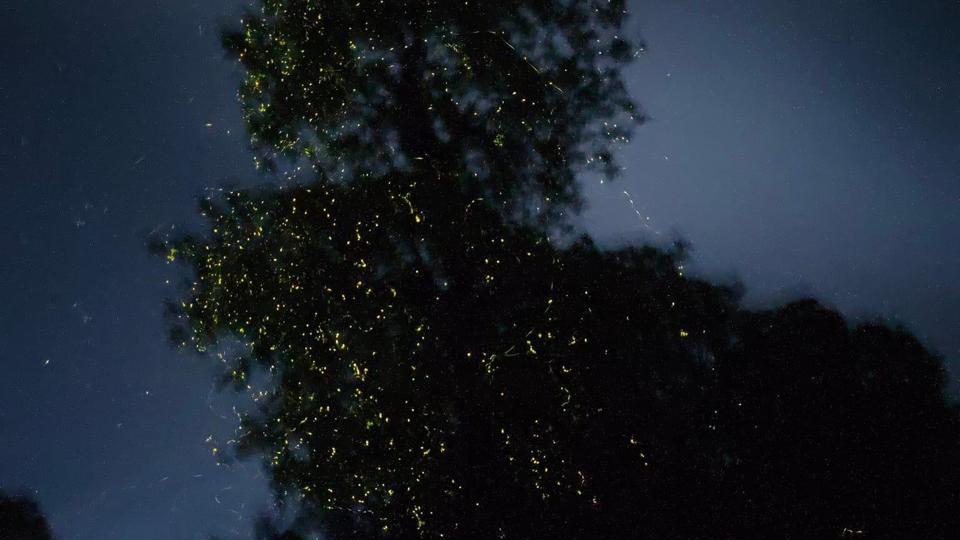
The tribunal issued the direction based on the recommendations of the forest department and Maharashtra Tourism Directorate, both of which raised ecological concerns over unregulated tourism during the fireflies’ season from mid-May to mid-June every year.
An enchanting festival locally known as the ‘Kajawa Mahotsav’ is held every year just before the monsoon, typically during the fireflies’ season, in the Kalsubai-Harishchandragad wildlife sanctuary area around Bhandardara, Bari (village) and Harishchandragad. The festival is a natural spectacle where thousands of bioluminescent fireflies light up the forests and valley floors, offering glowing evenings under the forest canopy along with tribal performances, camping and trekking.
Recently, the festival came under the scrutiny of the NGT when local resident Borhade filed a complaint regarding unregulated tourism causing significant threat to the local biodiversity. Borhade demanded that strict regulations be put in place for the festival. As such, during its hearing on April 17 this year, the NGT asked the forest department and Maharashtra Tourism Directorate to submit their responses on the said issue.
In its detailed affidavit, the forest department highlighted the ecological importance of the wildlife sanctuary which spans over 361 square kilometres in the western ghats and includes both forest and non-forest lands. Around 40% of this area falls under private ownership or government jurisdiction. Notably, the sanctuary is home to rare flora, rich biodiversity as also the Kajawa Mahotsav that draws thousands of eco-tourists during the fireflies’ season every year.
At the same time, the forest department expressed concern over ecological disruptions caused by increasing footfalls, artificial lighting, noise, and vehicular movement during the fireflies’ mating season. These factors threaten the delicate breeding cycle of the fireflies which are highly sensitive to environmental changes, the department said.
The department also mentioned that to address these issues, several measures have been already taken such as formation of eco-development committees in 25 villages; controlled entry through check-posts at Shendi and Muthkhel; designated viewing zones; off-road parking in private fallow lands; restrictions on entry of vehicles after 9 pm and viewing of fireflies beyond 10 pm; deployment of staff and volunteers for crowd and traffic regulation; and awareness campaigns educating tourists and homestay operators about eco-friendly behaviour. The department said that despite these measures, there is need for a long-term regulatory framework; and recommended that a zonal master plan be prepared for the eco-sensitive zone (ESZ) stopping activities that violate ESZ norms and imposing a moratorium on new permissions until the plan is finalised.
Whereas the Maharashtra Tourism Directorate in its separate affidavit clarified that it did not organise the Kajawa Mahotsav in 2024 or 2025 following the last edition of the festival in 2023. However, the NGT noted that even without formal events, massive crowds continue to gather during the fireflies’ season, underscoring the urgency for comprehensive crowd control and conservation efforts. The directorate recommended additional guidelines, including strict prohibition of drugs and firecrackers inside forest limits; mandatory identity checks and maintenance of visitor entry registers; physical barricades to prevent tourist encroachment near fireflies’ habitats; and holding the Kajawa Mahotsav every alternate year instead of annually.
After reviewing both the affidavits, the NGT on July 9 directed that all recommendations by the forest and tourism departments be seriously considered for implementation. The tribunal also suggested reactivating or extending the tenure of the ESZ monitoring committee, originally notified in 2017, to oversee enforcement of these measures.
Expressing his view on the NGT’s directive, Borhade said, “For the past few years, the fireflies festival has been conducted without adherence to any regulations, posing a serious threat to the natural resources of the sanctuary area. I filed this petition to stress on the need for a regulatory framework and its proper enforcement. I hope the forest and tourism departments will implement this order effectively in the coming days.”


