
 E-Paper



Pune city doctors report ‘bone death’ in Covid-19 recovered patients
Avascular necrosis, also called osteonecrosis, can be termed as the death of bone tissue owing to the lack of blood supply. It can lead to tiny breaks in the bone, and the bone collapses. A broken bone or dislocated joint can interrupt the blood flow to a section of bone


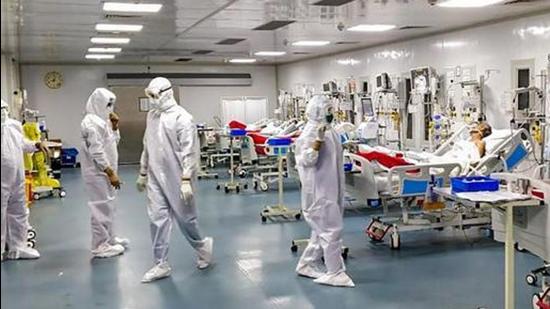
After mucormycosis, city doctors are now reporting a huge number of diagnosed cases of avascular necrosis, a new health complication that causes the death of bone tissues, in many Covid-19 recovered patients owing to the long-term use of corticosteroids (especially at high doses)
Dr Anand Jadhav, an orthopaedic specialist from Apollo Spectra, said, “Earlier, mucormycosis was seen rampant in patients post-Covid. Now, ‘bone death’ is also another worrisome problem seen in recovered patients from the first and second waves owing to the use of steroids. Around 10-15 patients with avascular necrosis visit me every month for treatment for the last two months now.”
“Avascular necrosis, also called osteonecrosis, can be termed as the death of bone tissue owing to the lack of blood supply. It can lead to tiny breaks in the bone, and the bone collapses. A broken bone or dislocated joint can interrupt the blood flow to a section of bone,” he said.
“In avascular necrosis patients, there is increased pressure in the bones inside the sphincter. Its rigid structure causes pain to patients. Core decompression surgery is performed if the avascular necrosis is in the first and second stages. This reduces the pressure inside the ball. Joint replacement surgery is the only option to reduce permanent pain in the third and fourth stages. However, surgery is not required if it is diagnosed early. Therefore, if the Covid patients on steroids having groin or thigh pain are advised to take an MRI or X-ray to check if they have avascular necrosis of the hip,” he said.
Dr Keerthi Prakash Kotla, a consultant pathologist, said, “Large-scale use of life-saving corticosteroids in Covid-19 cases causes the resurgence of avascular necrosis cases. Pain related to avascular necrosis of the hip might also be felt around the groin, thigh, or buttock. Besides your hip, it may also affect your shoulder, knee, hand, and foot. Hence, on complaints of hip and thigh pain, diagnosis can be done by early X-ray, CT scan, MRI, and bone scan of the hips. Limit your alcohol intake, monitor cholesterol levels, do not misuse steroids without a doctor’s knowledge, and avoid smoking to manage avascular necrosis.”
Dr Chandrashekhar Dixit, consultant - orthopaedic and joint replacement specialist from Jupiter Hospital, said, “Avascular necrosis damages the bone tissue due to lack of blood supply. Basic architecture under the cartilage area of the bone is affected, causing unevenness at the joint. Anyone can be affected, but the condition is most common in people between 30-50 age group.”
“The common factor between mucormycosis and avascular necrosis is found to be the inevitable use of steroids during treatment of Covid. We are expecting more of such patients in the next one to two years,” he said.
“Early diagnosis is the key to the treatment of avascular necrosis. Typical treatment involves the use of blood thinners, non-steroidal anti-inflammatory drugs, anti-osteoporosis drugs, cholesterol-lowering drugs and physiotherapy, proper nutrition and body weight under control,” he said.
“In Jupiter hospital, we have seen seven patients in last months who had received steroids in last year and early months of this year. Two patients have been advised to undergo joint replacement surgery. Rest are managed conservatively so far,” he said.
However, Dr Raghav Barve, an orthopaedic consultant with multiple hospitals in the city, cautions young patients who have avascular necrosis to not rush for hip replacement and instead go for early diagnosis and early treatment which includes medications, physiotherapy and better lifestyle habits.
He said, “In stage one and two avascular necrosis could be treated through medications alone while in stage three or four it could become serious and require hip replacement surgery. However, young patients must not rush for hip replacements as the surgeries are effective for around 20 years post which the prosthetic implants have to be replaced. So if a young patient aged 30 undergoes hip replacement then at 50 they’ll need to undergo the surgery yet again, however for older patients, aged 60-70, one surgery may last their lifetime. Early diagnosis, including X-Ray and MRI along with correct medications, can help in the longer run,” he said.
Dr Barve added, while earlier, those on steroids or with renal problems suffered from avascular necrosis, now the number has doubled since the past two months due to post Covid-19 complications.
He said, “As of now, I’m getting patients recovering from the first wave in the coming years, this number could go up drastically as in the second wave we saw many more patients requiring steroids during Covid treatment.”


