
 E-Paper



Pune civic body begins GRP coating of streetlight poles in slum areas
There are around 1.65 lakh streetlight poles under PMC limits. Of these, about 25% are located in densely populated areas, water-logging zones, and areas with high pedestrian movement—making them more vulnerable during rains

 Prefer HTon Google


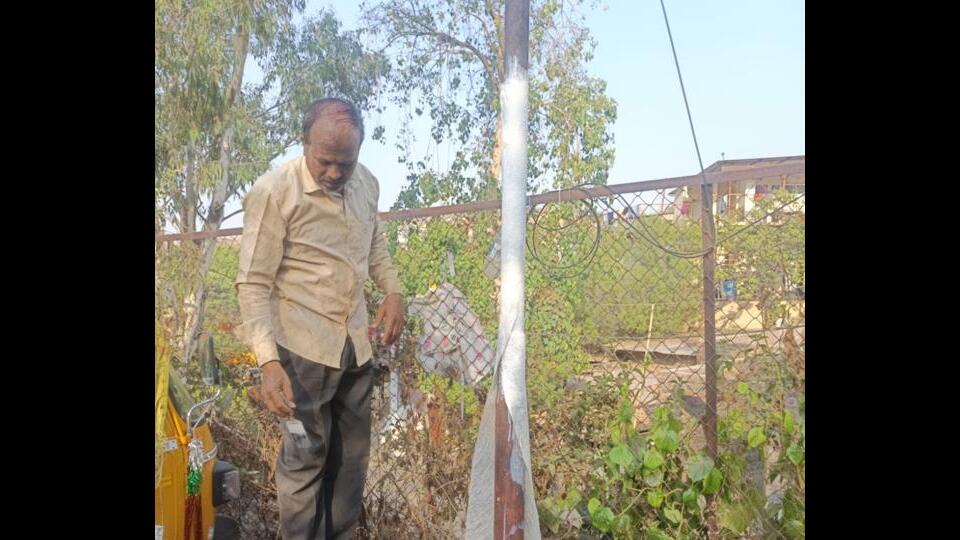
To prevent electric shocks from streetlight poles—especially during the monsoon—the Pune Municipal Corporation (PMC) has initiated the application of glass-reinforced plastic (GRP) coating on poles located in slum settlements and other high-risk areas across the city.
There are around 1.65 lakh streetlight poles under PMC limits. Of these, about 25% are located in densely populated areas, water-logging zones, and areas with high pedestrian movement—making them more vulnerable during rains.
To address this, PMC has started two key measures such as replacing old electric poles with new fiber-reinforced plastic (FRP) shockproof poles and applying epoxy coating on existing mild steel poles to prevent current leakage.
Currently, PMC has started applying GRP coating on poles in areas like Sinhagad Road, Janta Vasahat, Ekta Nagar, Ahmednagar Road, and along the Palkhi route. Officials say the coating helps insulate the poles and reduces the risk of electric shock in wet conditions.
Manisha Shekatkar, chief superintendent engineer of PMC’s electrical department, said, “We started the work last week and have set a target of coating 1,000 street poles. These poles are located in slum clusters, crowded spots, low-lying areas, and places prone to waterlogging.”
Shekatkar added that ward offices have been asked to identify and send data on high-risk poles in their areas.
“We are using GRP coating. It takes over two hours to dry under sunlight. If the weather is clear, we manage to coat about 10–12 poles a day. However, due to the rain, we are facing difficulty, she said.
According to civic officials, the epoxy coating acts as an insulating layer, preventing direct contact between exposed metal parts and rainwater, which often leads to short circuits and electric leakages.
Along with this, PMC is also replacing old poles with safer FRP ones. “Last year, our target was to replace 1,600 poles, out of which 1,300 have been done. This year, we will take up another 1,600 pole replacements,” she added.
The civic body has formed quick response teams comprising officials from the electrical, road, building, and drainage departments to identify hazardous poles and carry out preventive maintenance. These teams are also tasked with inspecting poles for illegal electricity tapping—a common but dangerous practice in some localities.
Civic activists, however, have pointed out that preventive measures such as this should have been a regular part of PMC’s pre-monsoon safety drive. “While the epoxy coating is a welcome step, it’s a reactive measure. There needs to be a long-term plan to upgrade electrical infrastructure, especially in slums,” said Pramod Devkar, a local civic activist of Ahmednagar road area.


