
 E-Paper



Pune district may have 35k malnourished kids: NFHS survey
NFHS for the year 2019-2020 has projected that Pune district may have at least 35,000 malnourished kids, however, the district administration has defended itself claiming that the numbers are projections based on a sample survey and not actual screening


The National Family Health Survey 5 (NFHS) for the year 2019-2020 has projected that Pune district may have at least 35,000 malnourished kids, however, the district administration has defended itself claiming that the numbers are projections based on a sample survey and not actual screening.
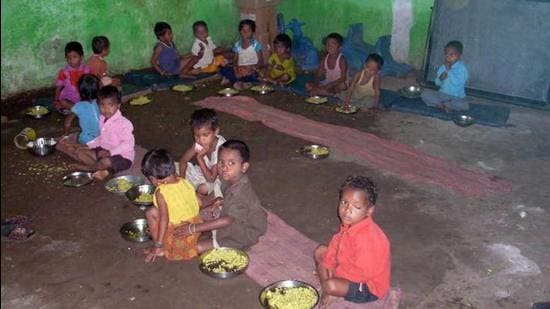
The NFHS survey which was based on samples screened in the district projects numbers based on the results in the survey and the overall population of the district.
The State ICDS meeting chaired by commissioner Rubal Agarwal on Friday along with all district Zilla Parishad CEOs discussed that the reporting of Moderate Acute Malnutrition (MAM) and Severe Acute Malnutrition (SAM) of children in all the districts is very poor.
However in the joint screening by the health department and the women and child welfare department, Pune recorded only 253 SAM children in August 2021 which contradicts the projection by the NFHS screening based on the results of sample projects that there could be more than 35,000 SAM children in the district, in both urban and rural areas.
Ayush Prasad, CEO, Pune Zilla Parishad said, “We have found that our active interventions including providing nutritional meal packages and medical interventions have been effective. From 600 SAM kids we are now down to below 300 in a year’s time. The projection by the NFHS is based on a sample survey and we are not aware if it is in the rural or urban areas, so that the screening is unbiased. Local administration does not intervene in the screening. However, in the rural areas we have accounted for every child and each child is physically screened by Asha workers and also verified by qualified doctors after which they are declared as malnourished or healthy. As of now we have about 253 SAM kids in rural areas and in the past one year we have had 2,500 medical interventions like surgeries and hospitalisation for children who needed medical intervention.”
Agarwal, who chaired the meet, said, “The difference between the projections by NFHS and the local administration is much higher for almost all the districts in the state. So we have asked the local administrations to detect and report more cases. The NFHS has also found that multiple districts have less than 70% who have received their Aadhar card. Aadhar helps register the child and also track his or her health track.” Along with Pune, Sangli, Ahmednagar, Dhule, Raigad, Aurangabad, Gondia, Jalna and thane +Palghar have reported less than 70% children who have received their Aadhar Card. The Pune administration has tied up with the postal department to ensure that each child is linked to an Aadhar card, added Prasad.


