
 E-Paper



Pune Porche accident: Guardian can be jailed for 3 years, says Motor Vehicles Act
Pune police commissioner Amitesh Kumar said the minor's father was implicated under the Juvenile Justice Act and detained for further investigation.

 Prefer HTon Google


The Pune Porsche crash involving a minor driver has once again highlighted the responsibility of parents, guardians, or the vehicle owner when such incidents happen.
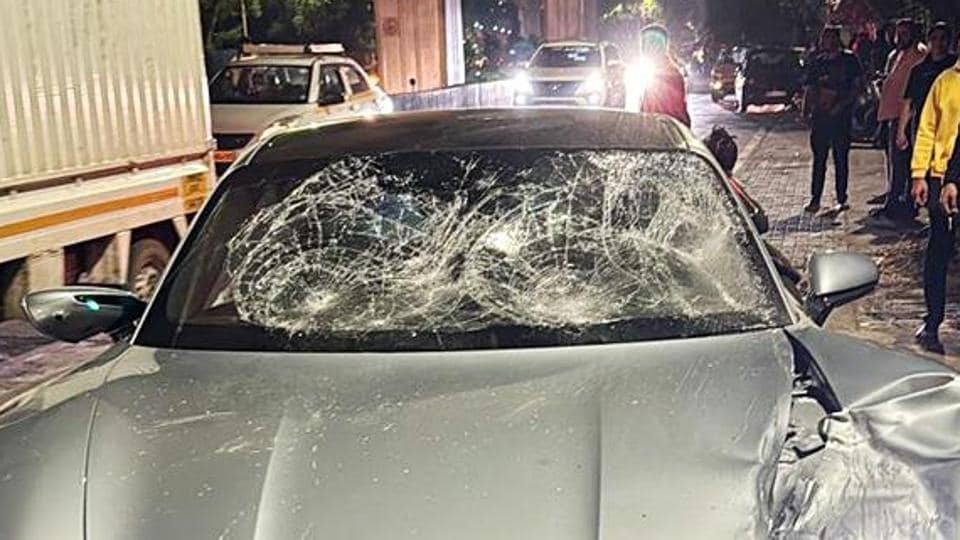
The minor, a 17-year-old son of a prominent builder, was released by the Juvenile Justice Board on the condition that he writes an essay about the accident, seeks help to stop drinking, and does voluntary work with the Pune traffic police. His father was also implicated under the Juvenile Justice Act and was detained for further investigation, according to Pune police commissioner Amitesh Kumar.
The Pune Police sought permission to try the juvenile as an adult under the Juvenile Justice Act. The accident happened after a party where the accused and his friends drank alcohol.
What does the Motor Vehicles Act say?
The Motor Vehicles Act now has a section for juvenile offenders. It states that if a minor is caught driving, the guardian or vehicle owner will be held responsible and could face up to three years in jail and a ₹25,000 fine.
Due to the increase in juvenile drivers, the Centre added this rule in 2019. It says parents, guardians, or owners won't be held responsible only if they can prove they didn't know about the offence or took all steps to prevent it. The law assumes that the juvenile had permission to use the vehicle unless proven otherwise. Additionally, the vehicle's registration will be cancelled for one year if a juvenile is involved in a crash or offence.
The Act states, “Where an offence under this Act has been committed by a juvenile, the guardian of such juvenile or the owner of the motor vehicle shall be deemed to be guilty of the contravention and shall be liable to be proceeded against and punished accordingly: Provided that nothing in this sub-section shall render such guardian or owner liable to any punishment provided in this Act, if he proves that the offence was committed without his knowledge or that he exercised all due diligence to prevent the commission of such offence.”
It states that a guardian would not be tried only “if the juvenile committing the offence had been granted a learner's licence under section 8 or a driving licence and was operating a motor vehicle which such juvenile was licensed to operate.”
After such an offence, the minor must wait until they are 25 years old to get a learner's permit under Section 8 or a driver's license under Section 9.
The juvenile will also face fines mentioned in the Act, and any prison sentence may be adjusted according to the Juvenile Justice Act, 2000 (56 of 2000).


