
 E-Paper



Pune railway station under risk from gas cylinders, unauthorised alterations
As per available information, the infrastructure of Pune railway station has been compromised due to internal modifications carried out without adherence to prescribed guidelines

 Prefer HTon Google


The heritage structure of Pune railway station is under threat following allegations of unauthorised alterations, storage of gas cylinders, and cooking activities being carried out inside the historic building. The concerns compounded after a minor fire broke out on Monday, February 23, at a food stall on platform number 1 which is inside the 101-year-old building premises. So much so that railway users and conservation activists have warned against activities that not only violate conservation norms but also pose significant fire and safety hazards inside one of the city’s oldest and most significant landmarks.
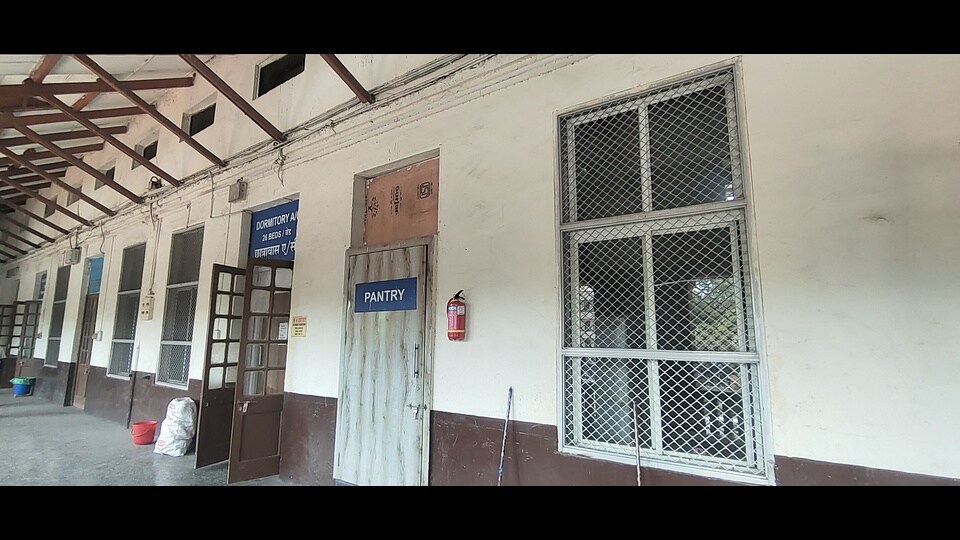
As per available information, the infrastructure of Pune railway station has been compromised due to internal modifications carried out without adherence to prescribed guidelines. Fabrication work has reportedly been undertaken to create or alter a staircase leading to the first floor, impacting the original architectural framework. Portions of the internal layout have been allegedly modified to accommodate operational needs, raising questions about whether or not due approvals were obtained before carrying out the changes. Experts caution that even minor structural alterations in historic structures can weaken load-bearing components and affect long-term stability.
More alarmingly, gas cylinders are reportedly being stored on the first floor of the building which also houses dormitory rooms for passengers. One of the rooms, described as a pantry for serving passengers staying in the dormitory, is allegedly being used for cooking activities. The presence of LPG cylinders and active cooking arrangements inside a heritage structure has triggered fears of a potential fire incident, given the age and vulnerability of the building. Fire safety norms typically restrict the storage of inflammable materials within such structures, particularly on upper floors accessible by narrow staircases where evacuation during emergencies could prove difficult. Besides, storing gas cylinders in close proximity to accommodation areas has raised concerns over the safety of passengers using these facilities. There is no saying what the unauthorised fabrication, structural modifications and storage of hazardous materials might lead to.
Reacting sharply to the situation, Harsha Shah, president of the Pune Railway Pravasi Group, strongly condemned the alleged violations. “This is nothing short of criminal negligence. How can anyone allow gas cylinders to be stored and cooking to take place inside a heritage railway building? Are we waiting for a major tragedy to happen? The administration cannot hide behind contractors. The responsibility ultimately lies with the railways. If immediate action is not taken to remove the cylinders and restore the original structure, we will escalate this issue to the higher authorities and demand accountability,” Shah said.
When contacted, Hemant Kumar Behera, spokesperson of the Pune railway division, said, “We will need to verify what exactly has happened on site. The dormitory and related services are being operated by a private contractor. If any irregularities are found, appropriate action will be taken as per rules.”
About the February 23 incident, cooking oil allegedly caught fire during everyday operations at the stall, leading to smoke and a brief spell of panic among passengers present at platform number 1. Two fire tenders were pressed into service to contain the fire.


