
 E-Paper



Rainfall deficiency may affect forest plantation, wildlife in Pune
Ranges with rainfall deficiency may face water scarcity, food crisis (for animals and human beings) and plantation sustainability


Rainfall deficiency caused by the late arrival of the southwest monsoon, erratic rainfall and a nearly month-long break phase is not only affecting the agricultural sector but is likely to hamper plantations undertaken by the forest department during this and previous rainy seasons as well as the wildlife which is part of this ecosystem.
Ashutosh Shendage, assistant conservator of forests (ACF), Pune Forest Division, said, “This year, we have experienced both heavy and low rainfall conditions in our forest ranges. Ranges like Tamhini, Bhor, Wadgaon and Maval have experienced good to heavy category rainfall whereas ranges such as Daund, Baramati and Indapur have received little rainfall. Rainfall in the rest of the ranges has been a mixed bag. The ranges that have experienced excess to normal rainfall will not face any problem but ranges already experiencing rainfall deficiency may face water scarcity, food crisis (for animals and human beings) and plantation sustainability. Survival of plantations has become a cause for concern and we are considering various mitigation options for the same.”
Due to weaker monsoon conditions this year, the monsoon was unable to penetrate the interiors of Maharashtra. Hence, apart from the Mulshi and Maval tehsils, the rest of the tehsils which are already in the rain-shadow region, were unable to receive good rainfall. According to India Meteorological Department (IMD) data, “Pune district is experiencing 17% rainfall deficiency for the cumulative monsoon period between June 1 and September 5. The district has received 663.9 mm of rainfall against the normal rainfall of 801.8 mm. In the month of August, the district experienced around 40% deficiency in monthly rainfall.”
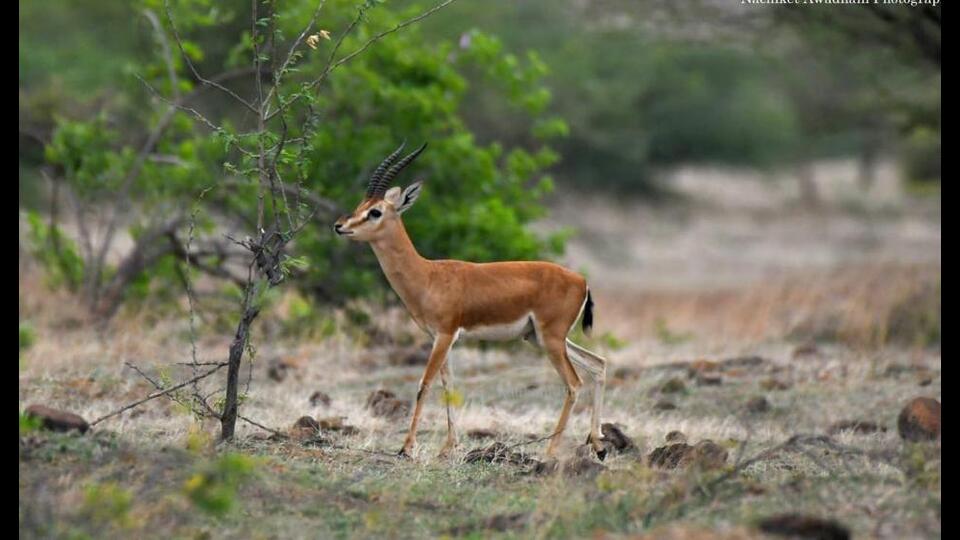
While there is no threat to wildlife currently as the forest department has set up borewells in forest areas, wild animals may face water scarcity if the situation continues. Gayatri Rajgurav-Awadhani, founder-member of Eco Rescue Daund, a non-governmental organisation (NGO), said, “Nowadays, we are engaging in field studies of the wolves in Pune district. We have observed that this year, the grass has not grown as much as it is supposed to during the monsoon season. Also in some areas, the water availability has been decreasing since the last week of August. Animals that depend on grassland ecosystems will likely be affected soon by lack of food and water. The conditions may get worse during the summer season.”
Not only will the wildlife be affected but also human beings living in the surrounding areas. There are chances of a surge in man-animal conflicts as animals may venture closer to human habitats in search of food and water. This in turn may increase the chances of wild animals meeting with accidents/getting injured.


