
 E-Paper



Taste of life: How mess system was reformed in 19th century
The mess was considered a strong connecting link which bound the corps together, as the members of one family, in the prosperity and reputation of which all had an equal interest

 Prefer HTon Google


In the winter of 1851, Lieutenant-General William Maynard Gomm was appointed the Commander-in-Chief of India. He had already spent a couple of years in Bombay and Poona and knew what ailed the army. He at once introduced promotion exams for officers and then went on to reform the mess system in the country.
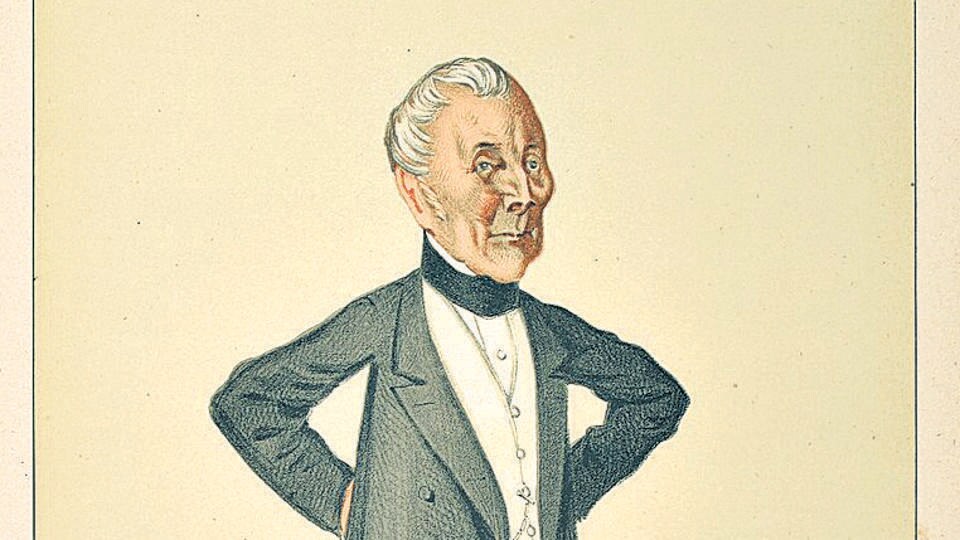
All officers in the Bombay and Madras Presidencies then were required to dine in their regimental messes. The mess was considered a strong connecting link which bound the corps together, as the members of one family, in the prosperity and reputation of which all had an equal interest.
However, dining in a mess was a costly affair. The mess accustomed officers to luxuries they rarely met elsewhere. An officer from Poona wrote in 1852 that it became “a punishment to rough it on a beefsteak and bottle of port.” But the mess was an excellent school of manners and deportment, and in the late nineteenth century bore very little resemblance to the description given many decades ago by an Irish barrister, in one of his pleadings – “A regimental mess is a tumultuous assembly, where you get a cold dinner and hot wine, and where all the conversation consists in Johnson of ours and Jackson of yours.”
A publication dating from 1892 offered advice on the various factors that mess presidents should consider when posted to India. It was probably a fair reflection of the conditions that had prevailed for much of the century. Such necessities as the proper keeping of wine and cigars in the Indian climate was covered, and the need for the services of a good taxidermist for the proper preservation and transportation of hunting trophies was emphasised, as was the need for a mess to start its polo fund. The life of an officer in India seemed to have encouraged greater mess extravagances than at home.
Every regiment in the service had an ambition to be esteemed for keeping up “a good mess”. Some decencies were demanded for the mess house. Extreme cleanliness, matting for the floor, chicks for the doors and windows, artistically commendable prints for the walls, chairs and benches a little above the roughest products of bazaar manufacture, trays to preserve the tables from the stains of porter mugs and coffee cups, metal plates for receiving pipe ashes, and decent spittoons. Not all officers were demanding, but they were certainly happy when, in Kirkee, electroplated spoons were provided to stir tea, and cups of ornamental crockery to drink it. A letter of appreciation was written by the officers of the 72nd regiment in August 1862 when a coarse green baize cloth was laid before them when they sat down to play a game of drafts and dominoes.
The difficulty of drawing the line for Europeans in India between luxuries and necessities had always been a cause of extravagance and intemperate habits. Gomm’s predecessor, General Sir Charles Napier, was aware that the mess dinners were not affordable to young officers.
When a cadet or ensign arrived in India, and was attached to or joined a regiment, his pay was ₹182 per month in the 1850s, ₹106 of which were cut therefrom in the shape of military fund, mess subscription, mess dinners, and house rent. The young officer was expected to study, and he would spend ₹30 on employing a “moonshie”. “Servants” cost ₹ 23 a month, and washing ₹7. Breakfast in Poona cantonment was eight annas per diem. This left him with hardly any money to survive the month.
With the average expense for wine in Poona being ₹2 a night, if an officer dined (as he was supposed to do) every evening at his own mess, his bill would be ₹180 a month in the 1850s for dinner and wine. With such a style of living forced upon them, it was unsurprising that many officers eventually landed in debt.
But interference from headquarters with the arrangements of a regimental mess was a dangerous and delicate business and Napier approached it with great diffidence. He began with himself and abolished all wine at his table except sherry and claret – no hock or champagne. He decided that he would dine at messes where expensive wines were not served. During his visits to Poona, only sherry was served. He ordered to examine the expenses of the messes at the half-yearly inspections. The practice of gaming in mess rooms in Poona was also called for stricter scrutiny.
This measure was not welcomed by many who believed that “to be a gentleman, you must learn to drink by all means; a man is honoured in proportion to the number of bottles he can drink.” Some believed that the splendour and luxury in the mess had an enervating and effeminizing effect upon the officers.
And then some strongly believed that only those men belonging to the British aristocracy were fit to lead the army. Aristocracy “deserved” luxury. An anonymous letter appeared in “The Calcutta Quarterly” which declared – “There is a “native manliness” in our British aristocracy which luxury cannot destroy, which fashion cannot enervate. He will eat his half-cooked goat meat and dry biscuit off the bottom of a beer chest nonetheless cheerfully for having indulged in our mess in the luxury of damask table linen, mirror-like plate, and no less mirror-like mahogany. “
But Napier seems to have had less concern for the nerves and muscles than for the purse of the officers. Circulars were sent around to all the officers commanding corps in India, and it was only after their opinions had been collected by the Adjutant General that a committee was formed at Shimla, to draw out a set of mess rules, for the uniform guidance of the different regiments throughout the country.
Newspapers in India and Britain were suddenly inundated with letters calling for the abolishment of the messes. These were mostly written by critics of the mess system. They wanted the army to establish ‘clubs’ – an institution they believed was more masculine and suited for the British aristocracy.
But it was feared that the abolition of officer’s messes would destroy at once the distinctive character of the British officer. Several army officers did not wish to visit taverns and eating houses in search of their dinner.
Gomm and Napier brought about some fundamental changes in how the messes operated in India. Eventually, clubs were established in major cities of the country. Around the same time, more European women decided to live here and start their families.
This story is for some other time.


